






The Challenge of Green Energy
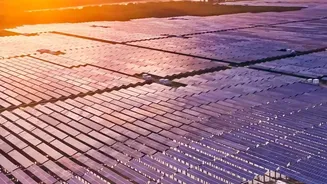
India has made massive strides in expanding its renewable energy capacity, particularly in solar power, meeting some of its clean energy targets years ahead of schedule. The country aims to generate 50% of its power from non-fossil fuel sources by 2030,
a goal requiring around 500 GW of capacity. However, the very nature of renewables like solar and wind presents a problem. They are intermittent, generating power only under specific conditions. This variability can strain the electricity grid, which needs a constant, stable supply to function. Without a way to store the massive amounts of energy produced during peak generation times, India risks wasting power and facing instability during periods of high demand or low generation, such as evening hours.
Enter the Viability Gap Funding Scheme
To address this, the government has launched a major policy push centered on Battery Energy Storage Systems (BESS). The cornerstone of this strategy is the Viability Gap Funding (VGF) scheme. This program is designed to make large-scale battery storage projects financially attractive for private companies. Building these systems requires significant upfront investment, which has been a major barrier. The VGF scheme bridges this financial gap by providing government grants covering up to 40% of the capital cost of a project. This support is awarded through a competitive bidding process, encouraging both public and private sector players to participate. The initial phase of the scheme aims to develop 4,000 megawatt-hours (MWh) of BESS projects by 2030-31.
How It Powers the Grid
The scheme functions like a strategic investment in the nation's power infrastructure. By making battery projects viable, the government is creating a network of giant, rechargeable power banks for the grid. These systems will store surplus electricity generated from solar and wind farms during the day. This stored energy can then be released back into the grid during peak evening demand, ensuring a stable and reliable power supply. A key condition of the funding is that developers must make 85% of the storage capacity available to power distribution companies (DISCOMs), directly benefiting consumers and strengthening the grid at the local level. This not only minimizes energy wastage but also reduces the need for expensive upgrades to the transmission network.
A Multi-pronged Approach to Storage
The VGF scheme for BESS is part of a broader, multi-faceted strategy. In a recent development in August 2026, the government also approved the 'Pradhan Mantri Surya Sarovar Yojana,' a scheme to deploy 5 GW of floating solar projects that are co-located with energy storage systems. This initiative targets the development of 10,000 MWh of storage capacity on existing reservoirs and water bodies, a move that saves valuable land resources. Furthermore, policies like the Production-Linked Incentive (PLI) scheme are in place to boost domestic manufacturing of advanced chemistry cell batteries, creating a local supply chain for these critical components. The government has also mandated Energy Storage Obligations (ESOs) for utilities, requiring them to source a progressively larger percentage of their power from storage, reaching 4% by 2030.
The Road Ahead for India’s Energy Future
The long-term vision is ambitious. Projections from the National Electricity Plan estimate India will need over 47 GW of battery storage capacity by 2032, requiring investments of nearly ₹3.5 lakh crore. These policy interventions are critical to achieving this scale. By de-risking investments and creating a clear regulatory roadmap, the government is sending a strong signal to the market. The declining cost of batteries, which has fallen dramatically in recent years, further strengthens the economic case for these projects. While challenges in execution and project pipelines remain, this concerted policy push firmly positions energy storage as a central pillar of India's journey toward a clean, reliable, and self-sufficient energy future.