




Confirm You Have a Certified Solar Filter
This is the single most important check. You cannot point a camera at the sun without a dedicated solar filter. Regular sunglasses, neutral density (ND) filters, or other homemade solutions are not safe. The intense, focused light can melt your camera's
shutter, destroy the sensor, and cause permanent blindness if you look through an optical viewfinder. Your filter must be specifically designed for solar photography and meet the ISO 12312-2 international safety standard. This ensures it reduces the sun's visible light and blocks harmful ultraviolet and infrared radiation to a safe level. Before use, inspect your filter for any scratches, pinholes, or tears that could let damaging light pass through.
Protect Your Eyes First, Your Camera Second
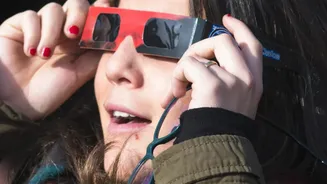
Your camera is replaceable; your vision is not. Never look through your camera's optical viewfinder when it is aimed at the sun, even with a solar filter attached to the lens. The concentrated solar rays can still cause severe and permanent eye damage in an instant. Use your camera’s electronic viewfinder (EVF) if it's a mirrorless model, or rely on the LCD screen's 'Live View' mode to compose your shot. This keeps your eyes away from the direct optical path of the sunlight. When not looking at your camera screen, you must wear certified solar eclipse glasses to watch the event. Remember, the filter protects the camera, and the glasses protect your eyes—they are not interchangeable.
Ensure the Filter Is Securely Mounted
A solar filter is only effective if it stays in place. It must be mounted on the front of your lens or telescope, protecting the entire optical system from heat and intense light before it gets magnified. Do not use drop-in filters that sit inside the lens, as this will not protect the lens elements themselves from damage. Check that the filter fits snugly and will not be dislodged by a gust of wind or an accidental bump. Many photographers use gaffer tape to secure the filter to the lens hood or barrel for extra peace of mind. A filter falling off mid-shoot is a recipe for disaster for both your camera and potentially your eyes if you react instinctively.
Use a Tripod and a Remote Shutter
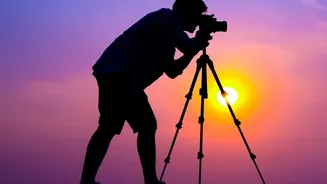
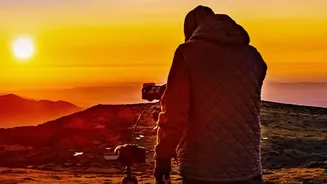
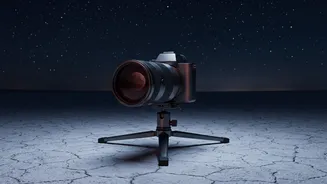
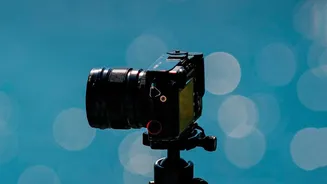
A sturdy tripod is essential for eclipse photography. Not only does it keep your camera stable for sharp images with a long telephoto lens, but it also helps you lock in your composition without having to constantly realign and risk looking toward the sun. Once your camera is aimed, you can make fine adjustments using the screen. A remote shutter release or your camera’s built-in timer is also crucial. Pressing the shutter button manually can cause vibrations that blur the image. More importantly, using a remote allows you to take photos without touching the camera, reducing the risk of accidentally knocking the filter off or misaligning the shot.
Switch to Full Manual Control
Your camera's automatic systems will struggle with the extreme brightness of the sun. Switch everything to manual mode. First, manually focus your lens on the edge of the sun until it is tack sharp; using Live View's zoom function is perfect for this. Once focused, tape the focus ring down so it doesn’t move. Autofocus systems can hunt for focus and can even be damaged by the intense light. You will also need to set your exposure manually. A good starting point for the partial phases is an aperture of f/8, a low ISO of 100 or 200, and a fast shutter speed around 1/1000s, but this will vary depending on your filter's density.
Practice Before the Eclipse
The day of the eclipse is not the time to be learning your gear. In the weeks leading up to the event, take your camera and solar filter outside on a clear day and practice. Go through the entire process: securing the filter, manually focusing on the sun, and experimenting with different shutter speeds to see what exposures look best. This practice will make the process feel like second nature, so when the brief and exciting moments of the eclipse arrive, you can focus on capturing the beauty of the event instead of fumbling with your settings. Remember to always use the solar filter and proper eye protection during these practice sessions.