





The Living Metal of Bastar
The soul of Chhattisgarh's craft heritage resides in the forested region of Bastar. Here, the art of Dhokra, or bell metal craft, thrives in villages where artisans have passed down their skills for generations. This ancient 'lost-wax casting' technique,
with roots stretching back over 4,000 years to the Indus Valley Civilization, is practiced by communities like the Ghadwa. They transform scrap metal—brass, bronze, and tin—into breathtaking figures of deities, animals, and tribal life. Each piece is unique because the clay mould is broken to reveal the final product, meaning no two Dhokra statues are ever identical. The motifs are drawn from nature, folklore, and daily rituals, telling stories of the community's beliefs and values.
Kondagaon: The City of Crafts
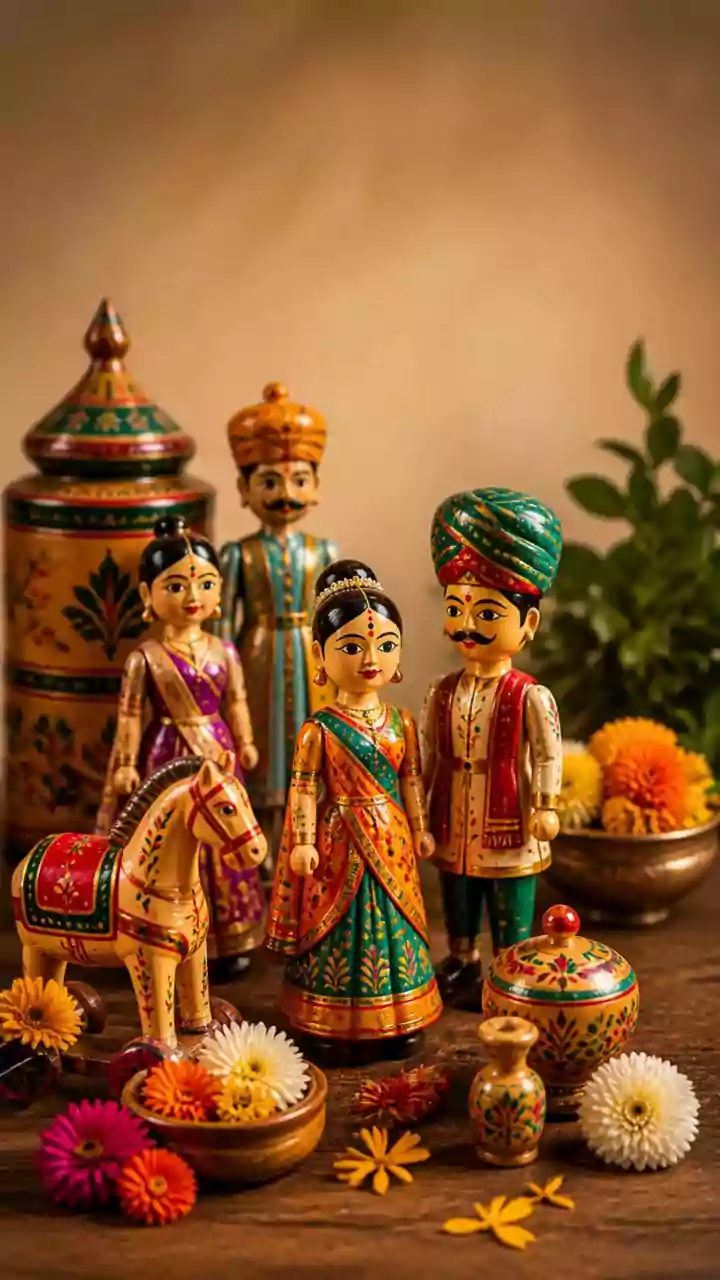
Known as 'Shilp Nagri' or the City of Crafts, Kondagaon is the epicentre of this artistic explosion. While Dhokra is its most celebrated art form, the town and its surrounding villages are a hub for a diverse range of indigenous skills. Strolling through hamlets like Bhelwapadar, you will find families dedicated to different stages of the Dhokra process. Beyond bell metal, artisans in Kondagaon are masters of wrought iron craft ('Loha Shilp'), transforming raw iron into delicate, expressive forms. You will also discover exquisite terracotta pottery, intricate wood carvings inspired by mythology, and vibrant bamboo work, each art form a testament to the region's creative spirit.
Echoes of an Ancient Capital: Sirpur
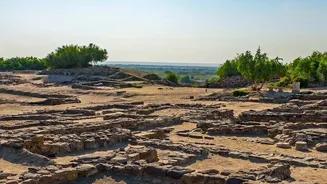
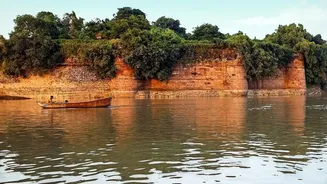
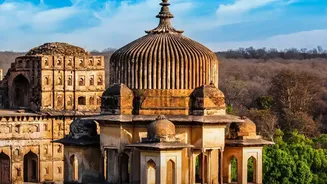
A journey through Chhattisgarh's history leads you to the banks of the Mahanadi River, to the ancient settlement of Sirpur. Once a thriving capital of the Dakshina Kosala kingdom between the 5th and 12th centuries, today it is a serene archaeological site of immense significance. Known in ancient texts as 'Shripura' or the 'City of Wealth', it was a major centre for Hindu, Buddhist, and Jain traditions. The Chinese traveler Xuanzang, who visited in the 7th century, described a prosperous kingdom with over 100 monasteries and 150 temples. The ruins here tell a story of remarkable religious harmony, with temples, monasteries, and market complexes standing side-by-side.
Temples of Brick and Faith
Among Sirpur's most remarkable structures is the Lakshmana Temple, one of India's finest and best-preserved brick temples, dating back to the 7th century. Built by Queen Vasata in memory of her husband, this Vishnu temple is admired for its intricate carvings and architectural grace. Excavations have also unearthed the massive Surang Tila, a stone temple complex with multiple sanctums on a high platform, and numerous Buddhist viharas (monasteries). The discovery of a 6th-century market complex reveals that Sirpur was not just a spiritual hub but also a bustling centre of commerce, connected to wider trade networks by the Mahanadi River. Exploring these ruins offers a profound glimpse into a sophisticated urban settlement from ancient India.
The Enduring Spirit of Tribal Art
Beyond the famous centres of Kondagaon and Sirpur, the spirit of craft is woven into the fabric of daily life across Chhattisgarh. The Gond, Muria, and Maria tribes, among others, have preserved traditions that connect them to their ancestors and their environment. Wood carving, particularly in Bastar, transforms teak and shivna wood into representations of local folklore, deities, and scenes from village life. Terracotta artisans shape clay from riverbanks into figures that reflect their hopes and traditions. Even everyday objects, from bamboo baskets to hand-woven textiles, carry a legacy of design and purpose passed down through countless generations.