



What is an Inner Line Permit?
An Inner Line Permit, or ILP, is a travel document required for all Indian citizens who are not residents of Arunachal Pradesh to enter the state. This system dates back to the Bengal Eastern Frontier Regulation of 1873, a British-era law. Today, its
primary purpose is to regulate movement in sensitive border regions and protect the unique cultural identities and traditions of the state's indigenous communities. Think of it as a mandatory pass to access one of the country's most pristine and protected landscapes. Every Indian traveler, regardless of age, needs their own permit to legally enter and travel within Arunachal Pradesh. This is different from the Protected Area Permit (PAP) that foreign nationals must obtain.
How to Get Your Permit Online
Thankfully, the process of obtaining an ILP has been streamlined and can be done entirely online. The official government portal, eilp.arunachal.gov.in, is the primary platform for tourist e-ILPs. To apply, you will need clear digital copies of a passport-sized photograph and a valid government-issued photo ID, such as an Aadhaar card or passport. The online form requires you to fill in your personal details, your complete travel itinerary including all the districts you plan to visit (like West Kameng for Dirang and Tawang for Mago), and your proposed travel dates. The fee varies based on the duration of your stay. Applications are often processed within the same day or a few working days, but it's wise to apply at least three to five days in advance to avoid any last-minute issues. Once approved, you can download and print multiple copies of your e-ILP.
The Journey from Dirang to Mago
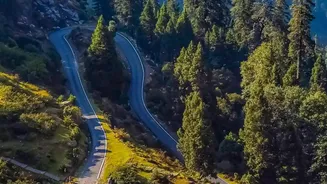
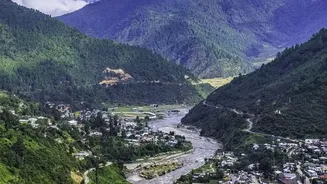
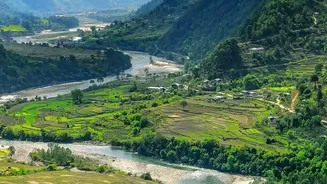
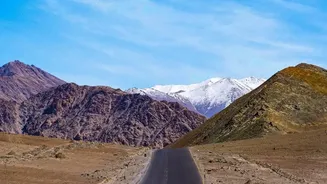
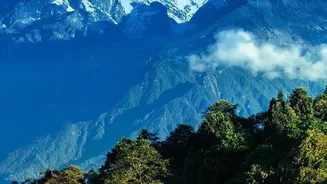
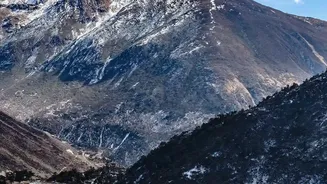
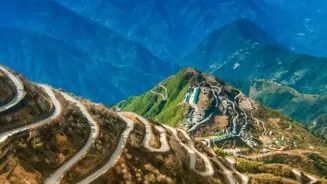
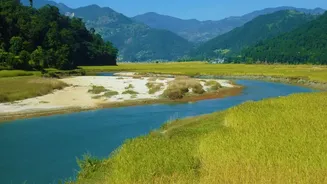
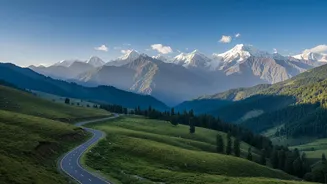
The road trip itself is the ultimate reward for your planning. Your journey begins in Dirang, a tranquil town nestled in a valley, known for its monastery, hot springs, and kiwi orchards. From Dirang, the route toward Mago is a breathtaking adventure that takes approximately seven to nine hours. The drive often goes via Jung, home to one of Arunachal's most spectacular waterfalls. While the classic route to Tawang takes you over the famed Sela Pass, the road to Mago is a different, more rugged detour that showcases raw, untouched Himalayan beauty. You'll navigate winding roads that run alongside pristine rivers, through dense pine forests, and past dramatic, high-altitude landscapes. A sturdy vehicle, like an SUV, is highly recommended as road conditions can be challenging and unpredictable, especially during monsoon season.
Arriving in Mago: A Hidden Paradise
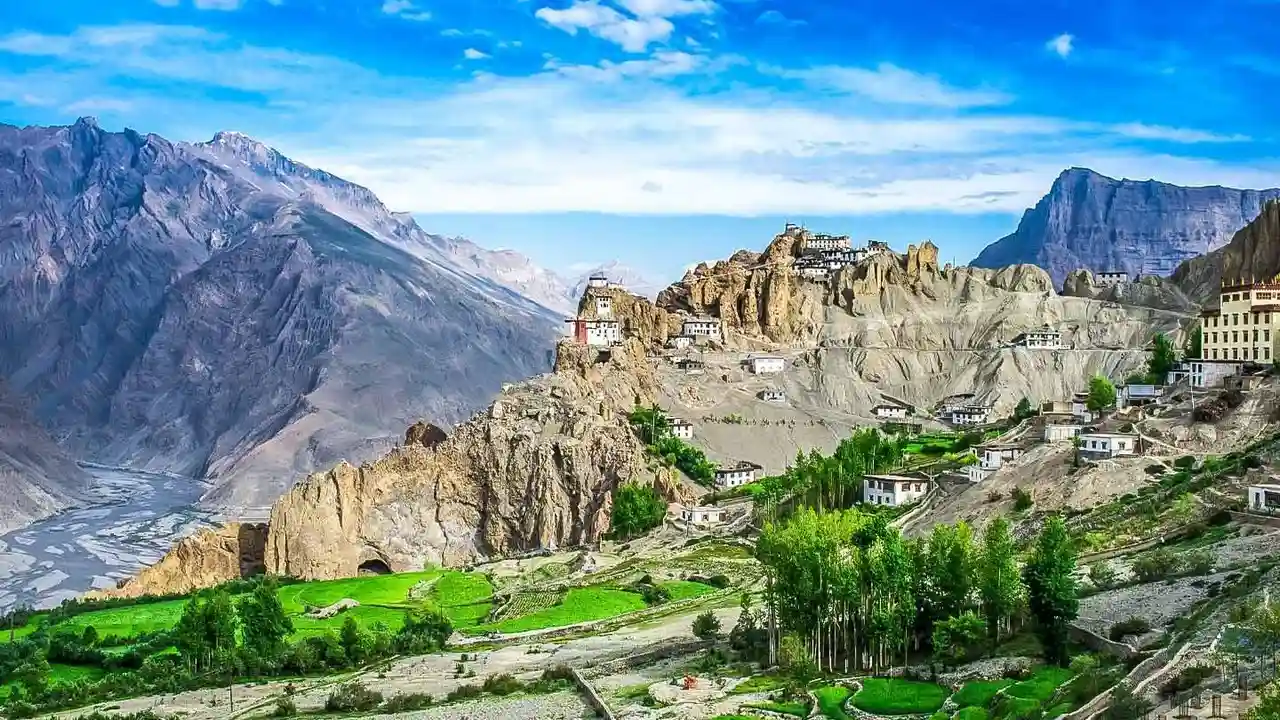
Mago is not a typical tourist town; it's a remote, high-altitude village inhabited primarily by the Monpa community of yak herders. Situated near the border with China, the village sits at a confluence of three rivers and offers a profound sense of tranquility far from the crowded tourist circuits. The main attractions here are not man-made monuments but the raw nature itself. The area is famous for its natural hot springs, which offer a perfect respite after a long drive. Life in Mago is simple and revolves around its community and their livestock. For travelers, it’s an opportunity to disconnect—mobile connectivity is almost non-existent—and immerse oneself in a way of life that has remained unchanged for generations.
Essential Tips for Your Trip
Proper preparation is key to enjoying this adventurous route. Always carry multiple printed copies of your Inner Line Permit and your original ID, as you will need to present them at various army and police checkpoints. Book your accommodations in advance, as options are limited to basic guesthouses and homestays. Pack warm clothing in layers, regardless of the season, as temperatures can drop suddenly at high altitudes. Since there are no ATMs in Mago, withdraw sufficient cash in Dirang or Tawang for your expenses. Finally, given the challenging terrain and remote location, consider hiring a local driver or guide who is experienced with the route and its conditions.