






The Two Faces of a Range Hood
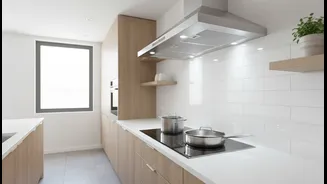
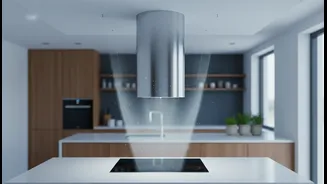
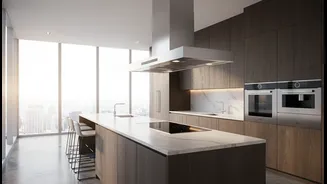
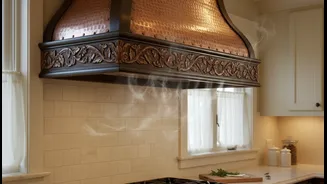
A range hood has one primary job: to capture and remove airborne grease, smoke, odours, and fumes generated by cooking. A 'decorative hood' is simply the aesthetically pleasing shell you see. The real work happens inside, performed by a fan and either
a ducting system that vents air outside or a filtration system that cleans and recirculates it back into the kitchen. The decorative cover is just the pretty package; the ventilation mechanism it conceals is what truly matters for your home's air quality and cleanliness.
Ducted vs. Ductless: The Great Divide
The critical difference lies in where the air goes. Ducted (or vented) hoods are the gold standard. They use a fan to pull contaminated air from your cooktop and expel it completely from your home through a duct in the wall or ceiling. This is the most effective way to remove all byproducts of cooking. In contrast, ductless (or recirculating) hoods do not vent to the outdoors. Instead, they pull air through a set of filters—typically a mesh filter for grease and a charcoal or carbon filter for odours—and then release the 'cleaned' air back into the kitchen. While easier and cheaper to install, their effectiveness is limited.
The Unseen Problems with Recirculating
Many beautiful, custom hoods in apartments, condos, or homes with complex layouts hide a ductless system. While these systems can trap some grease and reduce odours, they have significant drawbacks. They do not remove heat or moisture from the kitchen, which can lead to increased humidity and potential mould growth. More importantly, they are not highly effective at removing all harmful pollutants. Cooking, especially on gas stoves, releases fine particulate matter (PM2.5) and gases like nitrogen dioxide. Recirculating hoods only capture a fraction of these pollutants, and the carbon filters that absorb odours and gases lose their effectiveness quickly, sometimes dropping to just 20% efficiency within a few weeks of use.
Why Proper Ventilation Is Non-Negotiable
Poor kitchen ventilation isn't just about lingering smells of last night's dinner. It's a health and maintenance issue. Without effective venting, grease particles settle on cabinets, walls, and ceilings, creating a sticky, hard-to-clean film. More critically, indoor air quality suffers. The concentration of pollutants inside can be two to five times higher than outdoors, and cooking is a major source. Proper ventilation removes these contaminants at the source, protecting you from inhaling smoke and potentially harmful gases, maintaining comfortable temperatures, and keeping your kitchen cleaner.
Choosing Function Over Pure Form
When planning a kitchen renovation or buying a home, don't be swayed by a decorative hood alone. The first question should always be: is it ducted? For those who do a lot of high-heat cooking like searing, frying, or using a wok, a powerful, ducted system is essential. If a ductless system is your only option due to building constraints, it is still better than no ventilation at all. However, you must be diligent about cleaning the grease filters and replacing the charcoal filters regularly as recommended by the manufacturer to maintain what limited function it has. For optimal performance, always turn the fan on before you start cooking and let it run for 10-15 minutes after you finish to clear the air.