






Scroll through social media, and you’ll see it: the promise that a walk in the woods can fix everything. But what do the grand claims about nature hiking and mindfulness really mean? Let's separate the science from the sales pitch.
The Irresistible Call of the Wild
In our hyper-connected,
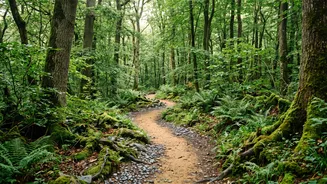
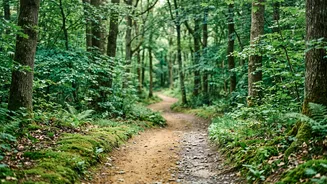
urban lives, the idea of escaping to nature has become more than just a pleasant pastime; it's a wellness mantra. Influencers and brands often portray hiking as a miracle cure, a powerful fix for stress, anxiety, and the burnout of modern life. This narrative is compelling because it taps into a genuine need. We crave a break from screens, noise, and constant demands. The promise of fresh air, serene landscapes, and physical exertion feels like the perfect antidote. The Japanese practice of 'Shinrin-yoku' or 'forest bathing' has gone global, suggesting that simply being in the presence of trees can have profound therapeutic effects. This has fueled a boom in outdoor activities, with more people than ever lacing up their boots in search of both adventure and peace. But with so much hype, it's fair to ask: What are the real, evidence-based benefits?
What the Science Actually Says
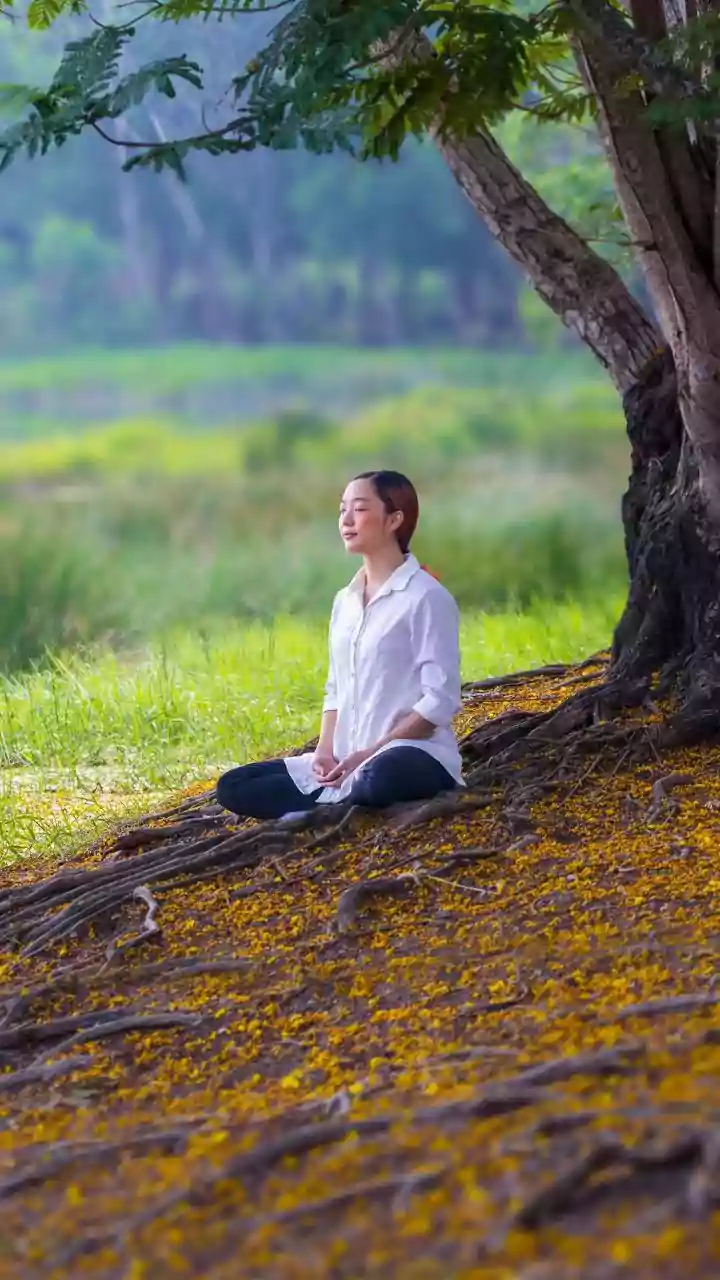
The good news is that many of the benefits are real and measurable. Numerous studies confirm that spending time in nature has a positive impact on our physical and mental health. A key finding is its effect on stress. Research has consistently shown that even a 20-minute walk or period of sitting in a natural environment can significantly lower levels of cortisol, the body's primary stress hormone. In fact, some studies show the greatest rate of cortisol reduction occurs within the first 20 to 30 minutes of a nature experience. Beyond stress, benefits include lower blood pressure, a reduced heart rate, and a bolstered immune system. Cognitively, nature can also work wonders. The 'attention restoration theory' suggests that natural environments allow our brains to recover from the mental fatigue of daily tasks, improving focus and concentration. A Stanford University study found that participants who walked in nature reported lower levels of rumination—repetitive negative thinking—compared to those who walked in urban settings.
Where the Claims Go Too Far
This is where perspective is crucial. While the benefits are significant, hiking and nature exposure are not a panacea. The wellness industry can sometimes overstate claims, presenting a weekend in the hills as a definitive 'cure' for chronic conditions like depression or severe anxiety. While nature can be a powerful tool in managing symptoms and improving mood, it is not a substitute for professional medical treatment or therapy. A recent analysis of thousands of studies confirmed nature-based activities can cause a clinically meaningful drop in anxiety and depressive symptoms, but this highlights its role as a supportive strategy, not a standalone cure. The idea that nature will magically 'rewire your brain' overnight is a simplification. The positive effects on the brain, such as decreased activity in the stress-processing amygdala, are real but are part of a complex process. It’s more accurate to see nature as a vital and effective component of a healthy lifestyle, much like good nutrition or regular sleep, rather than a single magic bullet.
The Power of 'How': Mindful Observation
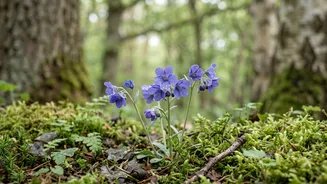
The deepest benefits often come not just from being in nature, but from how we engage with it. This is where mindful observation comes in. It's the practice of fully engaging your senses in the present moment without judgment. Instead of hiking with headphones on, preoccupied with your thoughts, mindfulness encourages you to notice the details: the texture of bark on a tree, the sound of rustling leaves, the scent of damp earth, the way sunlight filters through the canopy. This gentle sensory awareness helps pull your attention away from internal worries and grounds you in the present. It doesn't require hours of meditation. You can start by simply pausing on your walk to notice five things you can see, four things you can feel, three you can hear, two you can smell, and one you can taste (if you've brought a snack!). This simple act of connecting with your senses can deepen the restorative effects of your time outdoors.
Making It Accessible and Real
Perhaps the biggest misconception is that you need to embark on an epic, multi day trek in a remote mountain range to reap the rewards. Research shows that small, consistent doses of nature can be just as effective. You don't need the Himalayas; a local city park, a quiet neighbourhood green space, or even a garden will do. The key is consistency. A 20 minute walk in a local park three times a week can be more beneficial for stress regulation than one big hike a month. The goal is to integrate these moments into your daily life. Take your lunch break outside, walk in a green area on your way home, or simply sit by a window with a view of trees. By making nature accessible, you move it from a once in a while luxury to a sustainable, health promoting habit.