


Which Mask Actually Works?
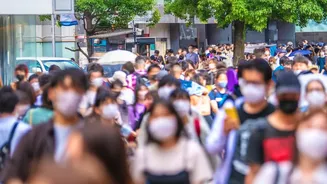
When it comes to filtering out the most dangerous airborne particles (PM2.5), not all masks are created equal. Simple cloth masks or basic surgical masks offer very little protection against these microscopic pollutants. For meaningful filtration, experts
recommend certified N95, KN95, or FFP2 respirators. These are designed to filter at least 95% of airborne particles. When choosing one for a child, look for a child-specific size, a certification mark printed on the mask itself, and features like a soft inner layer and an adjustable nose clip to ensure a snug fit. Avoid colourful masks that lack a filtration rating, as a fun design offers no protection.
The Biggest Limitation: A Poor Fit
The single biggest reason a high-quality mask fails is a poor fit. A mask is only effective if it forms a tight seal around the nose, cheeks, and chin. Any gaps allow polluted air to be inhaled directly, bypassing the filter. This is especially challenging with children, as their faces are smaller and have different proportions. In fact, official bodies like NIOSH (the US National Institute for Occupational Safety and Health) do not approve any respirators specifically for children's sizes. 'Small adult' sizes might work for older kids, but it's crucial to check for leaks. If their glasses fog up or you can feel air escaping from the sides, the fit is not secure.
The Reality of Wearing Masks Correctly
Getting a child to wear a tight-fitting mask for any length of time is another major hurdle. They can be uncomfortable, hot, and make breathing feel more difficult. As a result, children may frequently pull them down, touch them, or wear them improperly, compromising their effectiveness. It’s important to note that children under the age of two should never wear a mask due to the risk of suffocation. For toddlers between two and five, masks should only be used for short periods under close adult supervision, as they may not be able to communicate if they are having trouble breathing.
When Masks Are Simply Not Enough
On days when the Air Quality Index (AQI) climbs into the 'Very Poor' or 'Severe' categories (301+), even a perfectly fitted N95 mask has its limits. A mask reduces exposure to particles, but it cannot make dangerously polluted air completely safe. It does not filter out harmful gases that can also be present in smog. On these severely polluted days, the primary advice from paediatricians is not to rely on masks alone, but to limit exposure as much as possible. The most effective strategy is to stay indoors and keep children out of the toxic air altogether.
Create a Clean Air Sanctuary at Home
Since staying indoors is the best defence, improving your indoor air quality is critical. Keep windows and doors closed, especially during early morning and late evening hours when pollution levels are often highest. Using a high-efficiency particulate air (HEPA) filter air purifier can significantly reduce the concentration of PM2.5 particles inside, especially in the child's bedroom. Other simple steps include wet mopping floors to trap dust instead of dry sweeping, and avoiding burning incense or using room fresheners that can add to indoor pollution. In the car, keep the windows closed and set the air conditioning to its recirculate mode.
Supporting Their Health Holistically
Beyond physical barriers, you can support your child's respiratory health through their diet. Foods rich in antioxidants, particularly Vitamin C—like amla, oranges, and guava—can help the body combat the stress caused by pollutants. Ensuring your child stays well-hydrated also helps keep their airways moist and supports the body's natural defences. While these measures don't block pollution, they help build resilience from within. Some parents also find traditional remedies like giving small amounts of jaggery or herbal teas with ginger and honey to be soothing for coughs and throat irritation.