



Beyond the Golden Triangle
For decades, domestic tourism in India often meant following a well-trodden path. Circuits like the Golden Triangle of Delhi, Agra, and Jaipur were popular, alongside trips to major state capitals and established hill stations. But a significant shift
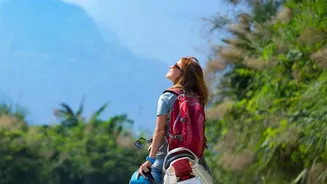
is underway. An increasing number of travellers are now choosing to bypass the bustling metros in favour of exploring the intricate web of roads that connect Tier-2 and Tier-3 cities. This isn't just about avoiding crowds; it's a fundamental change in travel philosophy. The focus has moved towards discovering the unique character of places like Kolhapur, Salem, Ajmer, or Kannur, turning the journey itself into the destination. This trend reflects a broader boom in domestic travel, which has surged since the pandemic as Indians explore the richness of their own country.
The Highway-Fueled Revolution
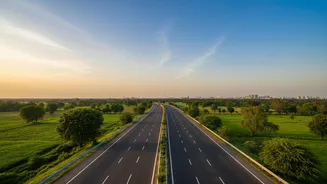
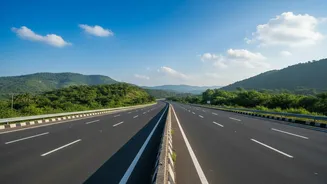
A primary catalyst for this new travel pattern is the massive upgrade in India's road infrastructure. The development of new expressways and the expansion of national highways under programs like the Bharatmala Pariyojana have drastically cut travel times between once-distant towns. Corridors such as the Delhi-Mumbai Expressway and the upcoming Lucknow-Kanpur Expressway are making it feasible to drive between industrial zones and cultural hubs that were previously connected by slow, arduous routes. Furthermore, the government's plan to build thousands of kilometres of bypasses and ring roads around nearly 500 cities aims to divert highway traffic away from congested urban centres, making cross-country driving smoother and faster. This improved connectivity empowers travellers to string together a series of smaller destinations into a single, seamless road trip.
A Search for Authentic India
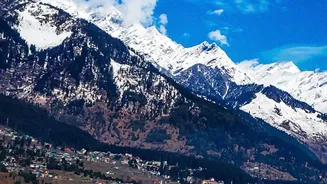
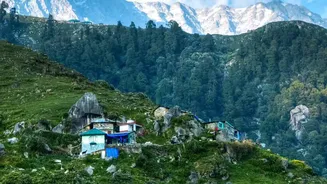
The post-pandemic traveller is different. There is a growing desire for experiences that feel genuine and personal, a reaction against the homogenised nature of mass tourism. Smaller cities and towns offer exactly that—a chance to engage with local culture, traditions, and food without the filter of a major tourist hub. This has fueled the explosive growth of homestays, which saw a significant surge in popularity compared to traditional hotels. These accommodations offer more than just a place to sleep; they provide a window into the local way of life. Travellers are increasingly seeking out these unique stays in lesser-known regions, from the mountains of Himachal Pradesh to the coastal towns of Karnataka, driving tourism income into areas that were previously overlooked.
The Workation and Digital Nomad Effect
The normalisation of remote work has untethered a significant portion of the Indian workforce from their office desks. This has given rise to the 'workation' culture, where professionals blend work and leisure by setting up a temporary office in a scenic or interesting location. Smaller cities are ideal for this, offering a lower cost of living, a relaxed pace of life, and reliable internet connectivity. A person might work from a cafe in Dehradun for a week, then drive to Rishikesh for the weekend before heading towards the Kumaon hills. This flexibility allows for slower, more immersive travel, where the lines between living, working, and exploring are beautifully blurred. Destinations are actively courting these remote workers, recognizing their potential to boost local economies.
The New Tourist Circuits
As a result of these converging trends, new and exciting road-trip circuits are emerging. Instead of just a weekend trip from Mumbai to Lonavala, travellers are now plotting multi-day drives along the Konkan coast, hopping between towns like Ratnagiri, Vengurla, and Malvan. In Rajasthan, tourists are venturing beyond Jaipur and Udaipur to explore the Shekhawati region's painted havelis or the quieter charms of Bundi and Jhalawar. In the south, improved highways are encouraging journeys that connect the temple towns of Tamil Nadu with the coastal and hill destinations of Kerala and Karnataka. These new routes are dynamic and personal, often shared through social media and travel blogs, inspiring a new generation of road-trippers to draw their own maps.