






Feeling too hot at night is a common sleep disruptor, and your bedding is often the first suspect. But what if the problem lies deeper? The very construction of your spring mattress plays a crucial role in regulating temperature as you sleep.
Why Airflow in a Mattress Matters
To get restful
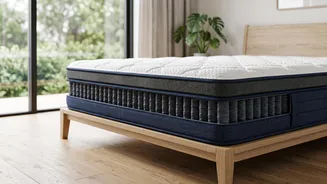
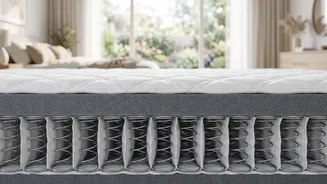
sleep, your body's core temperature needs to drop slightly. A mattress that traps heat works against this natural process, causing you to toss, turn, and wake up feeling unrested. Innerspring mattresses have a built-in advantage over all-foam beds: the coil system at their core creates a large, open space. As you move during the night, this space allows air to circulate, carrying away heat and moisture, which helps maintain a more comfortable and cooler sleep environment. However, not all spring systems are created equal, and the type of coil used can make a noticeable difference.
The Open Design of Bonnell Coils
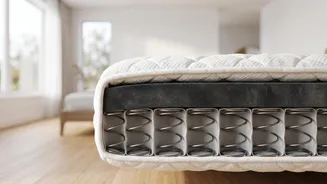
Bonnell coils are the most traditional and common type of spring, shaped like an hourglass and connected by wires. This interconnected structure creates a very open framework within the mattress. The significant space between the coils allows for maximum airflow, making mattresses with Bonnell springs one of the most breathable and coolest options available. If you tend to sleep hot and are looking for a budget-friendly option, a mattress with a Bonnell coil system is often a reliable choice for temperature regulation. The downside is that this interconnected system is also known for transferring motion, meaning you're more likely to feel a partner's movements.
Pocketed Coils: A Motion Isolation Trade-Off
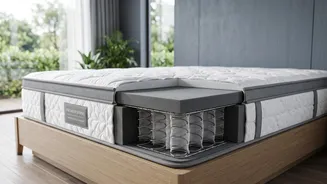
Pocketed coils are a more modern innovation where each spring is individually wrapped in its own fabric sleeve. This design is excellent for reducing motion transfer, as each coil compresses independently, making it a superior choice for couples. However, this construction can have a minor impact on warmth. The fabric encasing each coil slightly reduces the total open space compared to a Bonnell system, which can minimally impede airflow. While a pocketed coil mattress still offers significantly better ventilation than an all-foam mattress, a traditional innerspring with Bonnell coils may sleep slightly cooler.
It's Not Just the Coils: The Impact of Comfort Layers
The coils are only one part of the equation. The layers of material placed on top of the springs, known as comfort layers, often have a greater impact on how warm a mattress feels. A spring mattress with a very thick, dense memory foam topper will trap more heat than one with a thinner topper or one made of more breathable materials. Traditional memory foam is known for its tendency to retain heat due to its dense structure. If you're a hot sleeper who wants the pressure relief of foam, look for hybrid mattresses that use modern, open-cell foams or gel-infused memory foam, which are engineered to be more breathable.
Alternative Layers for a Cooler Sleep
For those especially concerned about heat, certain comfort materials work better with a spring core. Natural latex is a popular choice as it is generally more breathable than memory foam, with an open-cell structure that doesn't trap as much heat. Some mattresses also use comfort layers made of natural fibres like cotton or wool, which are excellent at wicking away moisture and regulating temperature. Another emerging option is the use of microcoils in the comfort layers. These are smaller, flexible springs that add responsiveness while creating even more room for airflow close to the sleep surface.