





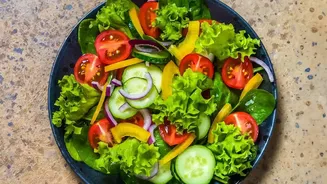
Master the Balanced Plate Blueprint
Forget complicated calorie counting and embrace a simple visual guide. The concept of a balanced plate is a powerful tool for building healthier meals without the stress. Health experts suggest dividing your plate into sections. Aim to fill half your plate with colourful
vegetables and fruits. These provide essential vitamins, minerals, and fibre that support everything from digestion to heart health. The other half of your plate should be split between lean protein and whole grains. For protein, think fish, poultry, beans, or nuts. For grains, opt for choices like brown rice, whole-wheat pasta, or quinoa over refined grains like white bread and white rice. This simple blueprint ensures you're getting a healthy balance of macronutrients—proteins, fats, and carbohydrates—to fuel your body and keep you feeling full and energized.
Choose Healthier Cooking Methods
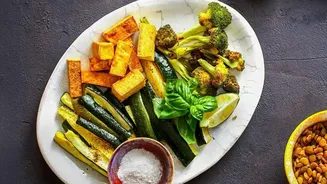
How you cook your food is just as important as what you're cooking. High-heat methods that use a lot of oil, like deep-frying, can add significant calories and unhealthy fats to an otherwise nutritious meal. Instead, explore cooking techniques that preserve nutrients without adding extra fat. Steaming is an excellent choice for vegetables because it keeps nutrients intact. Baking, roasting, and grilling are fantastic ways to cook meats and vegetables, bringing out their natural flavours. When you do need oil, sautéing with a small amount of a healthy oil like olive oil is a much better option than frying. Making these simple switches in your cooking routine can drastically improve the nutritional quality of your meals without sacrificing taste.
Embrace the Power of Meal Planning
One of the biggest barriers to healthy eating is a lack of time and the stress of deciding what to make every night. This is where meal planning becomes a game-changer. Taking a little time once or twice a week to plan your meals can save you time, reduce stress, and prevent you from reaching for less healthy convenience foods. It gives you full control over your ingredients and helps you manage portion sizes effectively. Start small by planning just a few dinners for the week ahead. This allows you to create a focused grocery list, reducing food waste and saving money. Knowing you have a healthy, delicious meal ready to go eliminates decision fatigue and makes sticking to your health goals feel effortless.
Make Smart Ingredient Swaps
You don't have to give up your favourite recipes to eat healthier. Often, a few simple substitutions are all it takes to make a dish more nutritious. Instead of refined white pasta or bread, choose the whole-grain versions for more fibre. When a recipe calls for cream, try using plain Greek yoghurt for a similar texture with more protein and less fat. You can also boost flavour with herbs and spices instead of relying on excess salt. Similarly, swapping processed meats like bacon or cold cuts for lean proteins such as chicken, fish, or beans can make a significant difference. These small changes add up, allowing you to enjoy the foods you love while making them work better for your body.
Cook with a Rainbow of Colours
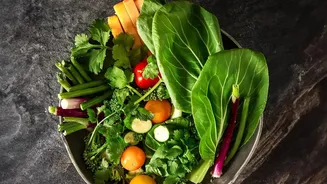
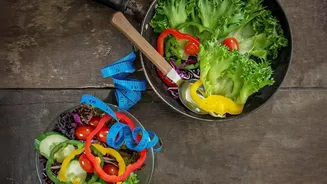
A vibrant plate is often a sign of a nutrient-dense meal. Different colours in fruits and vegetables typically indicate the presence of different vitamins, minerals, and antioxidants. For example, leafy greens are packed with certain nutrients, while red and orange vegetables offer others. By aiming to “eat the rainbow,” you naturally ensure a wider variety of nutrients in your diet. This doesn't have to be complicated. You can add a handful of spinach to your eggs, toss some bell peppers into a stir-fry, or top your oatmeal with a variety of berries. Thinking in terms of colour is a simple and fun habit that encourages you to move beyond your usual vegetable choices and explore the full spectrum of what nature has to offer.