



The Coastal Powerhouse
Across India's vast coastline, the coconut tree, or 'Kalpavriksham' (the tree that provides all necessities of life), is a cultural and culinary cornerstone. States like Kerala, Goa, Karnataka, and Tamil Nadu have cuisines deeply intertwined with the coconut's
bounty. In Kerala, often called the 'Land of Coconuts', it's hard to find a dish that doesn't feature it in some form. The humid, tropical climate provides the perfect growing conditions, making coconut an abundant and accessible ingredient for generations. This geographical blessing has shaped a style of cooking that is rich, creamy, and distinct from the cuisines of North India. From everyday meals to celebratory feasts like the Sadya, coconut is indispensable.
A Symphony of Forms
The genius of Indian regional cooking lies in its ability to use one ingredient in myriad ways, and coconut is a prime example. Freshly grated coconut adds texture and a subtle sweetness to vegetable stir-fries (thoran) and chutneys. When ground into a paste, often with spices like cumin and green chillies, it forms the flavourful base for curries like avial. Coconut milk, perhaps the most familiar form, lends a creamy richness to stews and curries, balancing the heat of spices in dishes like Goan fish curry or Kerala's prawn moilee. Even the oil is used for tempering spices, releasing a distinct aroma that is the signature of many South Indian kitchens. This versatility means coconut can appear multiple times in a single meal without making every dish taste the same.
Signature Dishes Across the Map
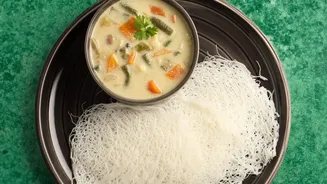
The proof of coconut's importance is in the plates served across the country. In Kerala, Avial is a quintessential mixed vegetable curry in a coconut and yogurt sauce. It’s a staple at weddings and the Onam festival. Moving north along the coast to Goa and Maharashtra, Solkadhi is a refreshing pink-hued drink made from coconut milk and tangy kokum, often served as a digestive after a heavy meal. In Bengal, coconut shows its sweeter side in desserts like Narkel Naru (coconut laddoos) but also creates the creamy, luxurious gravy for Chingri Malai Curry (prawn curry in coconut milk). Down in Tamil Nadu, Thengai Sadam, or coconut rice, is a simple yet flavourful dish, where rice is tossed with a tempering of spices and freshly grated coconut. Each dish tells a story of its region's produce and palate.
The Freshness Factor
In these traditional preparations, 'fresh' is not just a preference; it's a non-negotiable for authentic flavour. Freshly grated coconut contains a higher moisture content and delicate, volatile oils that create a vibrant taste and a uniquely creamy texture when ground. This natural emulsion helps spices dissolve and meld into a cohesive, layered flavour. While desiccated or powdered coconut has a longer shelf life and can be convenient, it often lacks the nuanced sweetness and rich mouthfeel of its fresh counterpart. The difference is palpable; a curry made with fresh coconut milk feels integrated and smooth, while one with substitutes can sometimes taste thin or have a lingering, dry texture.
More Than Just Food
Beyond the kitchen, the coconut holds deep cultural and spiritual significance in India. It is considered a sacred offering in Hindu rituals, symbolizing purity and prosperity. Breaking a coconut at the start of a new venture is a common practice to invoke blessings. Every part of the tree is used, from the fruit to the leaves and husk, representing an ideal of selflessness and sustainability. This reverence is reflected in the food, where using coconut is not just about flavour but about honouring a tradition and a way of life that has sustained communities for centuries.