



An Astronomical Claim
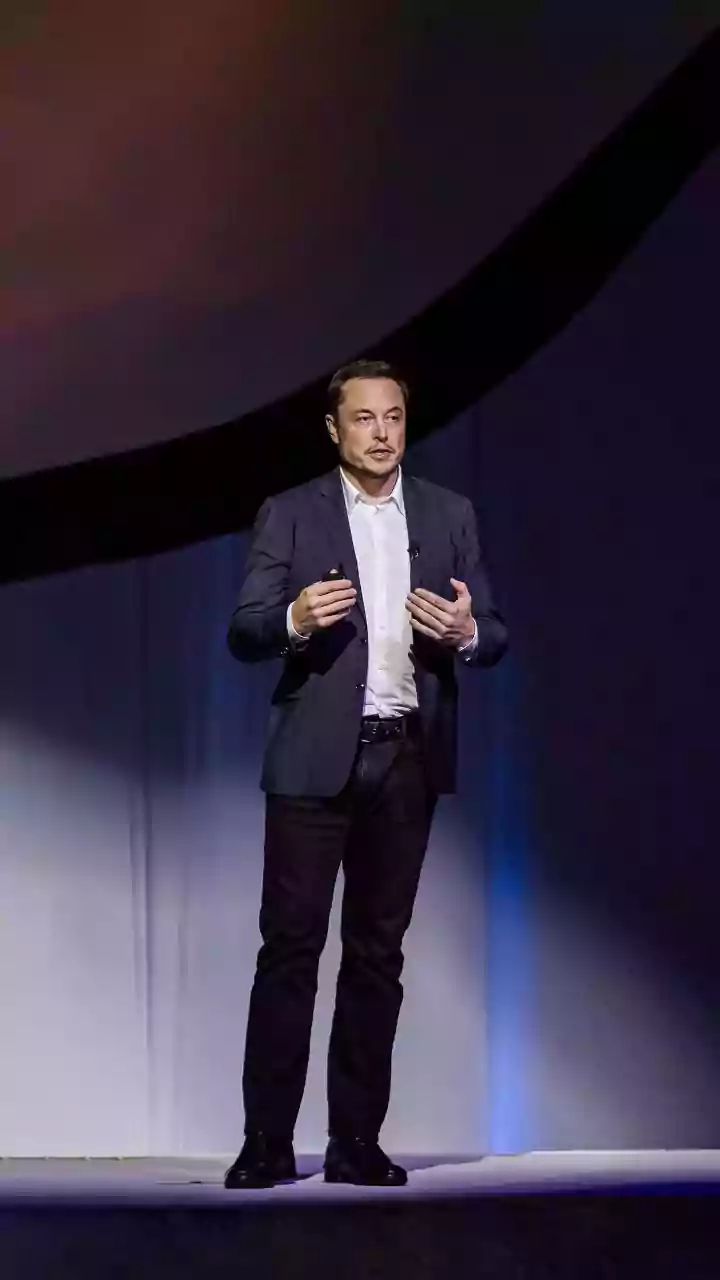
In early October 2026, Elon Musk took to the social media platform X to make one of his boldest statements to date. 'This will sound super crazy, but I see a path to SpaceX being worth orders of magnitude more than the current Earth economy,' he wrote.
He later clarified this wasn't a prediction of a guaranteed outcome, but his belief that such a path exists and the probability of achieving it is 'not zero'. This pronouncement builds on previous comments about making humanity a multi-planetary species to ensure long-term survival. For context, SpaceX's market capitalization currently hovers around $2.2 trillion, making it one of the most valuable companies in the world following its massive IPO in June 2026. However, this figure is still just a fraction of the global economy, making his latest vision a truly mind-boggling proposition.
Putting the Numbers in Perspective
To grasp the sheer scale of Musk's statement, it’s essential to understand the numbers involved. According to the International Monetary Fund's projections, the Gross World Product (GWP)—the combined economic output of every country on Earth—is expected to be around $126 trillion in 2026. Musk's reference to 'orders of magnitude' suggests a valuation at least 100 times greater than its current level, which would push SpaceX's worth into the quadrillions, dwarfing the entire Earth's economy. Even a single order of magnitude, or a tenfold increase, would imply a valuation well over ten times the current GWP. The comparison is not exactly apples-to-apples, as a company's valuation reflects its future earning potential while GWP measures annual production. Still, the contrast highlights the almost unimaginable scale of the ambition.
The Hypothetical Path to Mars
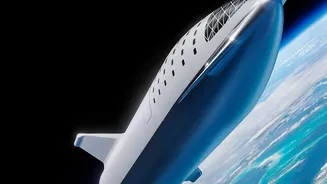
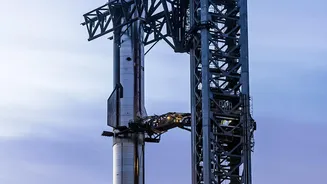
So, what is this path Musk sees? It doesn't rely on Earth-bound businesses like satellite launches or even the successful Starlink internet service. The entire premise is based on one monumental goal: the colonization of Mars. The foundation of this vision is Starship, SpaceX's fully reusable transportation system designed to carry over 100 metric tons of cargo and eventually hundreds of people to the Red Planet. Musk's long-term plan involves building a fleet of thousands of Starships to establish a self-sustaining city on Mars. This is not about planting a flag; it's about creating an entirely new, independent civilization and, with it, a new economy. SpaceX would not just be a transportation provider; it would be the architect and primary facilitator of this new world, creating value on a scale that is, quite literally, extraterrestrial.
Building a Martian Economy
The core of Musk's logic is that by enabling life on another planet, SpaceX would be creating an economic ecosystem from scratch. The company's value would be derived from its indispensable role in building and servicing a Martian city. This would include constructing habitats, establishing life support systems, developing local resource utilization—like creating propellant from Mars's atmosphere—and managing the interplanetary supply chain. The goal is a settlement of up to one million people, which would require an unprecedented logistical operation sustained over decades. In this scenario, SpaceX's valuation would not be tied to its terrestrial profits but to its ownership of the infrastructure that makes an entire planetary economy possible. It would be the landlord, utility provider, and logistics king of a whole new world, a monopoly of planetary proportions.
A Vision vs. Reality Check
Of course, the hurdles between today and a quadrillion-dollar valuation are as vast as space itself. The technological, biological, and financial challenges of establishing a self-sufficient colony on Mars are immense, and many experts remain deeply skeptical. Building Starship is one thing; creating a breathable atmosphere, protecting colonists from radiation, and growing food on a desolate planet are challenges of another order entirely. Analysts note the extreme risks and suggest that any financial projections tied to off-planet ventures should be viewed with extreme caution. Ultimately, Musk’s statement is less a concrete financial forecast for investors and more of a grand, motivating vision. It’s a thought experiment that defines the ultimate purpose of SpaceX and drives its relentless pace of innovation.