




Kisama: A Microcosm of Naga Culture
Just 12 kilometres from Kohima, the Naga Heritage Village at Kisama is an essential first stop. It isn't an ancient village but a purpose-built site designed to preserve and showcase the diverse cultural identities of Nagaland’s many tribes. The village features
a collection of 16 ‘Morungs’ (traditional youth dormitories), each built in the distinct architectural style of a different Naga tribe. While it comes alive with spectacular colour and energy during the famous Hornbill Festival in the first week of December, Kisama is open year-round. A visit outside the festival offers a quieter, more reflective opportunity to appreciate the intricate carvings, symbolism, and architecture that define Naga heritage, all in one accessible place. It provides a fantastic overview before you delve deeper into individual village experiences.
Khonoma: The Green Warriors
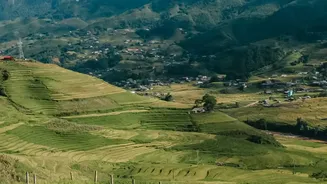
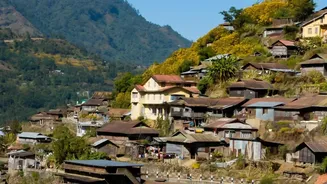
Roughly 20 kilometres west of Kohima, Khonoma offers a powerful story of transformation. This 700-year-old Angami village is renowned for its history of fierce resistance against the British in the 19th century. But today, it's celebrated for a different kind of strength: conservation. In 2005, it was declared India's first 'Green Village' after the community collectively banned hunting and logging in 1998. This decision followed a moment of ecological reckoning after a traditional hunting event. Visitors can explore the village’s three distinct clan quarters or ‘khels’, admire the historic stone fortifications, and marvel at the stunning terraced fields that cascade down the hillsides, a testament to generations of indigenous agricultural wisdom. Hiring a local guide is highly recommended to understand the rich history and conservation efforts that make Khonoma unique.
Touphema: A Community-Run Welcome
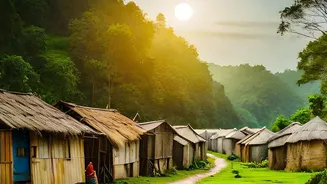
Located about 41 kilometres north of Kohima, Touphema Tourist Village offers a different but equally compelling model of cultural tourism. The entire project is a community-led initiative, created and managed by the people of Touphema village to offer an authentic glimpse into Angami Naga life. Here, you can stay overnight in comfortable, traditionally styled thatched huts, each with modern amenities. The experience centres around a communal kitchen where you can savour traditional Naga cuisine and evenings often feature cultural performances with folk songs and dances around a bonfire. Touphema stands out as one of India's earliest and most successful community tourism projects, where your visit directly supports the local residents and the preservation of their heritage.
Essential Tips for Your Village Tour
To make the most of your trip, a little planning goes a long way. The best time to visit the region is during the dry, cool months from October to May. Indian tourists are required to obtain an Inner Line Permit (ILP) to enter Nagaland. This can now be easily applied for online through the official government portal and is a mandatory requirement. Foreign tourists (except citizens of some specific countries) no longer need a permit but must register with the local police upon arrival. When visiting villages, always be respectful. Ask for permission before taking photographs of people or their homes. Engaging a local guide not only enriches your experience with context and stories but also contributes directly to the local economy. Remember to carry cash, as digital payments may not be available in more remote areas.