



Why Carbs Matter During a Fast
Carbohydrates are the body's primary fuel source, and this becomes even more critical during fasting periods like Navratri. When you limit your food intake, the type of carbs you choose can make the difference between feeling energetic and experiencing
a slump. There are two main players here: complex carbohydrates and simple carbohydrates. Complex carbs, found in fibrous vegetables, are broken down slowly by the body. This provides a steady, sustained release of energy that keeps you feeling full and stable for hours. Simple carbs, on the other hand, are digested quickly, offering a rapid burst of energy. Both have their place in a balanced fasting diet, but using them strategically is essential for navigating the day with vitality.
Sweet Potato: The Steady Energy Source
Sweet potato, or shakarkandi, is a powerhouse of complex carbohydrates and dietary fiber. This combination is exactly what your body needs for long-lasting energy. The fiber slows down digestion, which prevents sharp spikes and subsequent crashes in blood sugar levels. This is why a meal with sweet potato can keep you feeling satiated for a much longer period. Interestingly, the way you cook it matters. Boiled sweet potatoes have a lower glycemic index (GI), meaning they release sugar into the bloodstream more slowly. Baking or roasting can increase the GI, causing a faster energy release. Beyond carbs, sweet potatoes are also packed with Vitamin A and other essential minerals, making them a deeply nourishing choice for vrat.
Singhara Atta: The Quick-Release Fuel
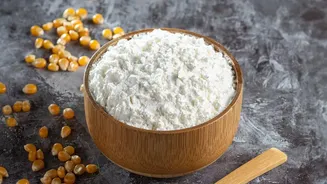
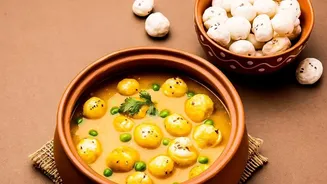
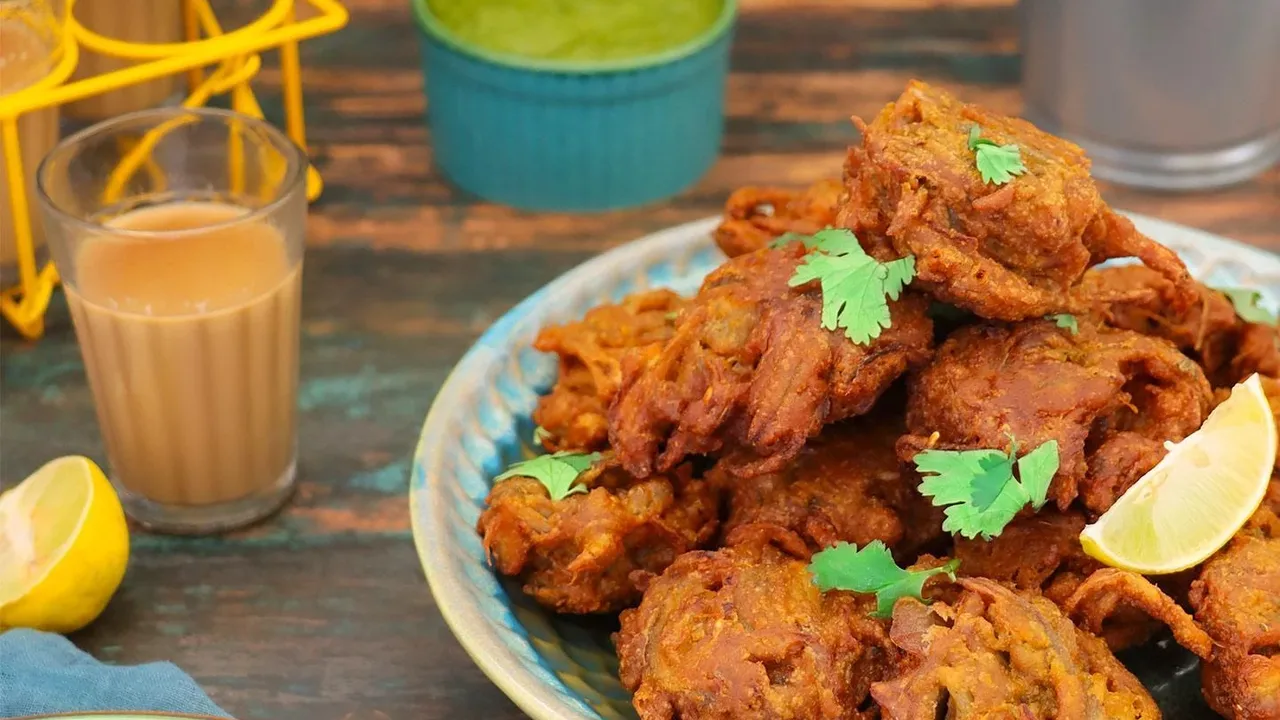
Singhara atta, or water chestnut flour, is another gluten-free favorite during Navratri. Unlike the dense, fibrous sweet potato, singhara atta offers carbohydrates that are more readily available for the body to use as quick energy. While it is considered to have a low-to-medium glycemic index, it is often used to make foods like puris, pakoras, or halwa, which can be digested faster than a whole, boiled vegetable. This makes it an excellent choice for when you need an immediate pick-me-up or a lighter meal that won't feel heavy in your stomach. Being a flour, it is versatile and can be used in numerous sweet and savory dishes, from rotis to pancakes. It's also known for being cooling and easy to digest.
A Tale of Two Carbs: Which to Choose?
So, which one is better? The answer is neither—they simply serve different purposes. Think of sweet potato as your long-haul fuel. Eating a bowl of boiled shakarkandi chaat for a main meal can provide the sustained energy needed to get through several hours of the day without feeling hungry or tired. Its high fiber content supports digestive health and ensures you stay full. Singhara atta, in contrast, is your quick-sprint fuel. A singhara atta cheela or a couple of small puris can provide a rapid energy boost when you're feeling a dip in the afternoon or before an evening prayer session. Its lighter nature makes it a good option for a snack or a meal that you need to digest more quickly. Mixing both, for example by making a sweet potato tikki with singhara atta as a binder, can offer a balance of both quick and sustained energy.
Making the Most of Your Vrat Meals
To harness their benefits, use them thoughtfully. Start your main meal with boiled or roasted sweet potatoes to anchor your energy for the day. You can prepare a simple sabzi, mash them into tikkis, or make a chaat with curd and sendha namak. Save the singhara atta preparations for your smaller meal or snack time. A warm halwa or a simple roti made from singhara atta can be the perfect way to replenish your energy reserves quickly without feeling overly full. By understanding that sweet potatoes offer slow-burning, long-lasting energy and singhara atta provides a quicker-acting boost, you can strategically plan your meals to stay vibrant and nourished throughout your fast.