




The Local Foundation
Before a single grain of rice reaches the global market, its price journey begins at home. In India, domestic factors create the baseline cost. The government's Minimum Support Price (MSP), which was raised for the 2026-27 season, sets a floor for paddy
prices. This, combined with the costs of fuel for transportation and electricity for milling, establishes the initial price. However, the most significant domestic variable is the monsoon. A weak or deficient monsoon, as seen recently, can tighten the availability of paddy between harvest cycles, putting upward pressure on prices even before any international factors come into play. In August 2026, prices for some rice varieties climbed by over 10% in parts of India, as the market had to rely on existing stocks while awaiting the new kharif crop.
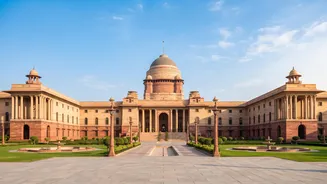
India's Role as a Global Price-Setter
India isn't just a massive consumer of rice; it's the world's largest exporter, accounting for about 40% of the global trade. This dominant position means that Indian policy decisions have a profound impact on international prices. Government actions, such as imposing or lifting export restrictions, can cause significant swings in the global market. When India restricts exports to ensure domestic food security, it can lead to price spikes in import-dependent nations. Conversely, when India has a surplus and opens up exports, it can help stabilize or lower global prices. This delicate balancing act between managing massive domestic buffer stocks and serving international demand makes India's export strategy a key factor watched by traders worldwide.
When Conflict Disrupts the Chain
Geopolitical conflicts, even those thousands of kilometers away, have a direct impact on the cost of food. Recent tensions in West Asia involving the US and Iran, for example, have disrupted crucial shipping routes like the Strait of Hormuz. This waterway is a chokepoint not just for oil, but also for fertilizers essential for agriculture. When shipping through these zones becomes risky, insurance and freight costs skyrocket, and these expenses are passed down the supply chain. This affects the cost to produce food and to ship it. The conflict has prompted some Gulf nations to increase their stockpiling of essential grains, leading to a surge in demand for Indian rice and pushing export prices for varieties like Basmati up by 15-20%.
The Unpredictable Climate Factor
Alongside conflict, climate change and weather patterns like El Niño are major wildcards. Unpredictable weather is creating challenges for rice cultivation across Asia, which produces 90% of the world's supply. Shifting rainy seasons, droughts, and floods in major producing regions like Vietnam, Thailand, and Indonesia can significantly reduce harvests. For instance, a strengthening El Niño pattern is expected to bring hotter, drier weather to much of Southeast Asia, threatening crop yields. While India might have ample stocks one year, a poor harvest in another major rice bowl can tighten global supply and increase demand for Indian exports, ultimately influencing prices back home.
It All Adds Up at the Checkout
The final price you pay for rice is a convergence of all these pressures. It starts with the domestic cost base, including MSP and local weather impacts. Added to this are the global dynamics: the availability of rice from competitors like Thailand and Vietnam, the cost of fuel and fertilizer influenced by conflicts in West Asia, and the export policies set by New Delhi. When international demand is strong due to other countries' poor harvests or their desire to build food security stockpiles, Indian prices feel the upward pull. Therefore, the price of rice is not a simple matter of local supply and demand but an indicator of our interconnected global system, where a drought in one continent and a conflict in another can be felt in kitchens across India.