





A Vision for a Faster North India
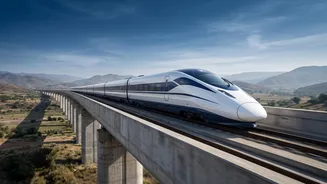
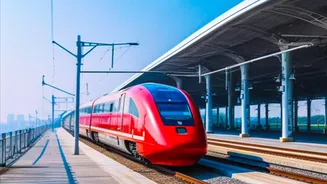
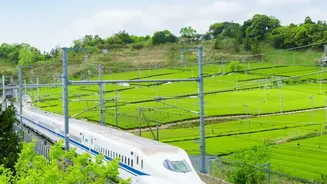
In late October 2026, Railway Minister Ashwini Vaishnaw announced that the Prime Minister had approved the ambitious Northern Bullet Train Corridor. This high-speed rail network is designed to connect Delhi with major cities across Uttar Pradesh, Bihar,
West Bengal, and Assam, eventually stretching to Guwahati. The project is a cornerstone of a broader vision to modernise India's railway infrastructure, aiming to slash travel times and boost economic activity across the region. The full corridor will link the national capital to key centres like Agra, Kanpur, Lucknow, Ayodhya, Prayagraj, Varanasi, and Patna. While the entire network represents a long-term goal, the announcement brought with it a series of indicative travel times that capture the project's scale and ambition.
The 59-Minute Hook: Delhi to Agra
The most eye-catching detail from the announcement is the proposed 59-minute journey between Delhi and Agra. This specific route, connecting the national capital with India’s most iconic tourist destination, serves as a powerful symbol for the entire project. Currently, the journey by road can take over three hours, and even the fastest trains take around 100 minutes. By cutting this time by nearly half, the bullet train could revolutionise tourism, making day trips to see the Taj Mahal significantly more accessible for both domestic and international visitors. This dramatic time-saving is not just about convenience; it is intended to create a new economic dynamic between the two cities, fostering closer business and leisure ties. Other indicative times, such as Delhi to Varanasi in around 3.5 hours, further highlight the project's potential to shrink vast distances.
The Engine of Economic Growth
A high-speed rail corridor is more than just a faster way to travel; it is a catalyst for comprehensive regional development. Officials believe the project will be a major boon for the economy, benefiting everyone from the middle class and youth to small businesses and artisans. Improved connectivity is expected to unlock new opportunities in tourism, real estate, and logistics. For cities and towns along the route, such as Mathura, Etawah, and Prayagraj, the corridor promises to enhance access to employment, education, and healthcare hubs. The integration of a station at Jewar is particularly strategic, as it will create a multi-modal transport hub connecting the upcoming Noida International Airport with the high-speed rail network. This synergy is expected to attract investment and stimulate commercial activity throughout the region.
The Road Ahead: Timelines and Hurdles
While the vision is compelling, the journey to its realisation is long and complex. The Northern Corridor is still in its planning stages. The National High Speed Rail Corporation Limited (NHSRCL) has submitted the Detailed Project Report (DPR) to the Ministry of Railways, a crucial step that outlines the project's technical specifications, alignment, and financial viability. However, final cabinet approval is still pending, and a definitive timeline for construction and completion has not yet been announced. Such megaprojects inevitably face significant hurdles, including immense costs and the complex process of land acquisition. The government has stressed that the project will be a 'Make in India' initiative, built by Indian engineers and workers. Furthermore, the Railway Minister has indicated that fares will be kept affordable, possibly lower than airfares, to ensure broad accessibility.