





What is the Pawanmuktasana Series?
The name 'Pawanmuktasana' comes from Sanskrit, where 'pawan' means wind or life force, and 'mukta' means release. Often called the 'wind-releasing poses', this sequence is about more than just relieving digestive gas; it's designed to free up blocked
energy throughout the body, promoting a sense of ease and well-being. Developed by the Bihar School of Yoga, it is not one single pose but a three-part series that systematically works through the body's joints and systems. Because the movements are slow, mindful, and gentle, they are accessible to almost everyone, including older adults, those recovering from illness, or anyone feeling stiff and inflexible.
Part 1: The Anti-Rheumatic Group
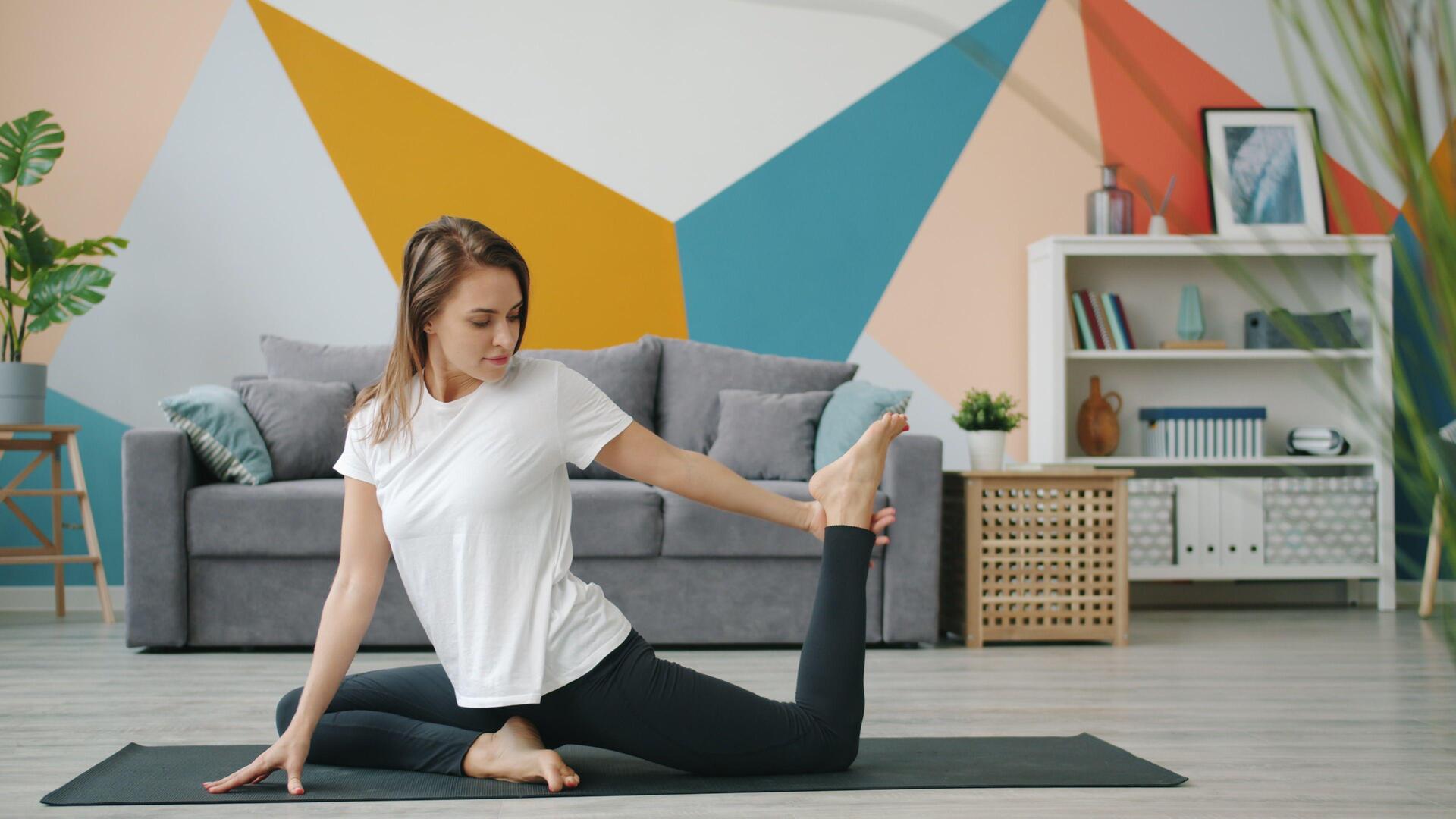
The first part of the series is focused on loosening up all the major joints, from your toes to your neck. Often called the anti-rheumatic group, these exercises are excellent for reducing stiffness and improving circulation, making them particularly beneficial for people with arthritis or joint pain. The sequence is methodical, starting with simple toe bends and ankle rotations before moving up to the knees, hips, fingers, wrists, elbows, shoulders, and finally, the neck. Each movement is small, controlled, and synchronized with the breath. For example, you might sit with your legs extended and slowly rotate your ankles, first clockwise and then counter-clockwise. An instructor might then guide you to the Half Butterfly pose, where you place one foot on the opposite thigh and gently move the knee up and down to open the hip joint. These simple actions help to lubricate the joints, increase mobility, and build body awareness without strain.
Part 2: The Digestive/Abdominal Group
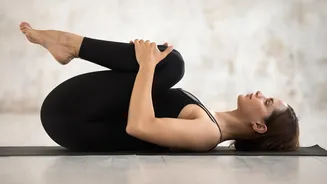
The second series of Pawanmuktasana shifts the focus to the body's core, targeting the digestive system. These postures are designed to strengthen the abdominal and lower back muscles, massage the internal organs, and improve digestive function. Benefits can include relief from issues like bloating, constipation, and indigestion. This group includes the pose most people associate with the name 'Pawanmuktasana'—the Wind-Relieving Pose, where you lie on your back and hug your knees to your chest. Other movements include gentle leg lifts, leg rotations, and spinal twists performed while lying down, all of which apply gentle pressure to the abdomen to stimulate the digestive tract and release trapped gas.
Part 3: The Shakti Bandha Group
The third and final part of the series is known as the Shakti Bandhas, or energy block postures. These asanas are more dynamic than the first two groups and are aimed at improving the flow of energy throughout the body, particularly in the spine and pelvic region. The movements are designed to break down neuromuscular knots and enhance vitality. Practices in this series often mimic everyday actions, like 'Rowing the Boat' (Nauka Sanchalanasana) or 'Churning the Mill' (Chakki Chalanasana), which involve rhythmic, coordinated movements of the torso, arms, and legs from a seated position. While more vigorous, these poses are still foundational and help build core strength, improve endocrine function, and tone the pelvic muscles.
Getting Started Safely
The beauty of the Pawanmuktasana series is its adaptability. However, safety should always come first. It's important to move slowly and mindfully, never forcing a movement or pushing through pain. The focus is on gentle repetition coordinated with your breath. While the series is generally safe, there are some contraindications. Individuals with high blood pressure, serious heart conditions, a hernia, or those who have had recent abdominal surgery should avoid certain poses, particularly in the second and third series. Pregnant women should also avoid any postures that put pressure on the abdomen. As with any new physical practice, listening to your body is key. If you are unsure, it's always best to practice under the guidance of a qualified yoga teacher.