





The Golden Number: ₹30 Lakh
The Delhi government has drawn a clear line in the sand with its new Electric Vehicle Policy 2026. For electric car buyers, the most important figure is now ₹30 lakh. If an EV’s ex-showroom price is at or below this amount, it unlocks a suite of significant
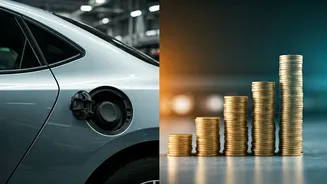
financial benefits. The primary incentive is a 100% waiver on both road tax and registration fees, which can substantially reduce the on-road cost of a new vehicle. For cars priced even a rupee above this threshold, these exemptions disappear, and buyers must pay standard taxes, which can be as high as 12.5% for corporate buyers. The policy, which runs until March 2030, is designed to make mass-market EVs more affordable and accelerate their adoption in the capital.
Which Cars Are in the Winners' Circle?
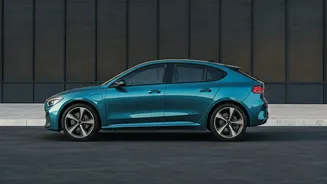
This price cap effectively creates a 'winners' circle' of EVs. Popular models that have driven India's EV adoption, such as the Tata Nexon EV, Tata Punch EV, and the Mahindra XUV400, comfortably fall under the ₹30 lakh ceiling. For buyers of these vehicles, the savings are immediate and substantial. For example, escaping a 10% road tax on a ₹20 lakh car saves you ₹2 lakh upfront. Furthermore, the policy includes a lucrative scrappage incentive. If you scrap an old petrol or diesel car (BS-IV or older) and purchase a new eligible EV within six months, you can receive an additional bonus of ₹1 lakh. These combined benefits make the sub-₹30 lakh EV segment incredibly attractive for Delhi residents.
The Premium Segment on the Sidelines
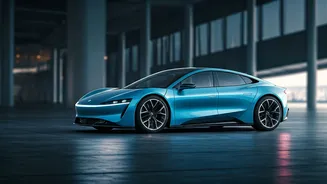
While the policy boosts the affordable EV market, it leaves premium models out in the cold. Internationally acclaimed EVs like the Hyundai Ioniq 5, Kia EV6, BYD Seal, and Volvo EX30, which are typically priced well above the ₹30 lakh mark, do not qualify for any of the tax waivers or scrappage bonuses offered for cars. Buyers opting for these vehicles in Delhi will have to bear the full cost of road tax and registration, adding several lakhs to their final purchase price. This move signals the government's strategic decision to prioritise volume and mass adoption over subsidising luxury electric vehicles. The policy makes it clear that public incentives are aimed at getting the maximum number of zero-emission vehicles on the road, rather than supporting the high-end market.
Why the Government Drew This Line
The rationale behind the price cap is multifaceted. Firstly, it aims to democratise the EV transition by making electric cars financially accessible to a larger segment of the population. By focusing subsidies on the more affordable end of the market, the policy encourages a shift away from internal combustion engines for everyday commuters. Secondly, it serves as a powerful market signal to manufacturers. The Delhi government is effectively telling automakers that the biggest incentives are reserved for those who can produce and price their EVs for the masses. This could spur the development and launch of new, competitively priced models aimed squarely at this sub-₹30 lakh segment. Automakers like Tata Motors have welcomed the policy's focus on pure EVs and its potential to serve as a model for other states.
What This Means for the Future EV Buyer
For anyone considering an EV in Delhi, this policy makes the ex-showroom price the most critical factor in the buying decision. The ₹30 lakh cap creates a clear two-tier market. Below it, the value proposition is enhanced by significant government support. Above it, the purchase is a purely private financial decision without state benefits. This policy, coupled with aggressive deadlines to phase out new petrol and CNG two-wheelers and auto-rickshaws starting in 2027-2028, underscores Delhi's commitment to a rapid and comprehensive shift to electric mobility. Prospective buyers must now weigh their desire for premium features and longer range against the considerable savings offered within the government-defined affordable bracket.