







How Tax-Free Shopping Currently Works
For years, international visitors have enjoyed a straightforward system for tax-free shopping. When making a purchase of at least ¥5,000 (before tax) at a participating store, you simply show your passport. The 10% consumption tax is then deducted instantly
at the checkout counter, meaning you pay the lower, tax-exclusive price on the spot. For some larger department stores, you might pay the full price and then visit a dedicated refund counter within the store to get an immediate cash refund of the tax. This process has been a major draw for tourists, making everything from high-end electronics to popular cosmetics more affordable.
What Changes on November 1, 2026?
The era of instant discounts is coming to an end. Effective November 1, 2026, Japan will switch to a tax refund system similar to those in many European countries. Instead of getting the tax removed at the point of sale, travellers will now pay the full, tax-inclusive price for their goods. You will then need to complete a process to claim the 10% tax back before you leave the country. This change is being implemented to streamline the process and prevent abuse of the system, such as tourists illegally reselling items within Japan. The transition is a hard cutover; purchases made up to October 31 follow the old rules, while those from November 1 fall under the new system.
The New Refund Process Explained
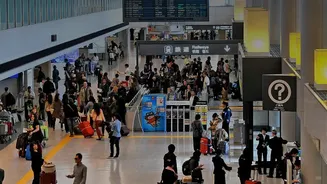
Under the new rules, after paying the full price in-store, your purchase data is electronically linked to your passport. Before you check your luggage at the airport for your departure, you must go to a customs desk or a new self-service tax procedure terminal. There, you'll scan your passport to bring up your purchase records. A customs officer might ask to inspect your items to confirm you are exporting them. Once this check is complete, your refund will be processed. The refund can be sent to a registered credit card, which may take several days or even a full billing cycle to appear, or potentially through other electronic payment apps.
Budgeting for the Upfront Cost
The most significant impact for travellers is the need for more available funds. Since you'll be paying the 10% tax upfront on all your tax-free purchases, your daily spending money or credit card limit needs to account for this temporary cost. For example, on a shopping haul totaling ₹1,00,000, you will now need to pay the full amount and wait for the ₹10,000 tax to be refunded later, instead of paying only ₹90,000 at the counter. This means carefully planning your budget to ensure you have enough cash or credit available to cover these higher initial outlays throughout your trip.
Planning Tips for Your Trip
While the total savings remain the same, your strategy must adapt. Using a credit card for major purchases can make managing the upfront cost easier than carrying large amounts of extra cash. It’s also wise to keep all your receipts organised, as you will need them for the refund process at the airport. One of the biggest adjustments will be time. You should plan to arrive at the airport earlier than usual to navigate the new refund procedure, especially during the initial months as everyone gets used to the system. Finally, some rules are being simplified: the distinction between 'general goods' and 'consumables' will be abolished, making it easier to reach the ¥5,000 minimum spend at a single store.