






A Golden Welcome from the North
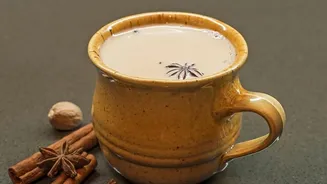
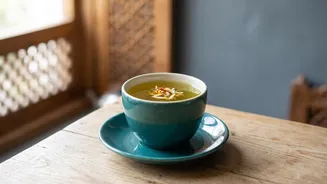
The journey begins in the breathtaking valleys of Kashmir, where the air is crisp and hospitality is paramount. Here, the quintessential welcome is a steaming cup of Kahwa. This is not your everyday milk-and-sugar chai; Kahwa is a fragrant, golden-hued
green tea infusion that acts as a soul-warming elixir against the region's biting cold. Its history is believed to be intertwined with the ancient Silk Road, which brought a melting pot of cultures and ingredients to the valley. Traditionally, Kahwa is prepared in a large, ornate brass kettle called a samovar, which keeps the brew perpetually hot over live coals, ready to be served to family and guests throughout the day. This practice makes it more than a beverage; it’s a symbol of community and generosity.
The Anatomy of Kahwa
What gives Kahwa its distinctive character is its sophisticated blend of spices. The base is typically green tea leaves, often sourced from neighbouring regions. To this, a symphony of whole spices is added during brewing: cinnamon sticks, cloves, and green cardamom pods release their warmth into the water. But the true star is saffron, the prized Kashmiri spice that imparts a beautiful golden colour and a subtle, luxurious aroma. The tea is often sweetened with honey or sugar and served in small cups, garnished with slivered almonds or walnuts and sometimes dried rose petals, adding a final layer of texture and fragrance. This complex blend is not only delicious but is also considered a remedy for coughs and colds, aiding digestion and providing warmth.
Journey South to the Blue Mountains
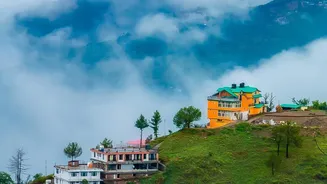
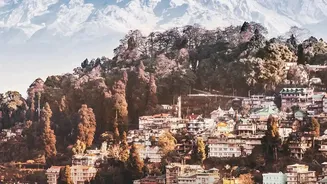
Leaving the snow-capped peaks of the north, our chai journey takes us over 2,000 kilometres south to the Western Ghats. Here, nestled in Tamil Nadu, lie the Nilgiri Hills, or 'Blue Mountains', another of India's premier tea-growing regions, alongside Assam and Darjeeling. Tea was first planted here experimentally in the 1830s by the British. The region’s high altitudes, fertile soil, and twin monsoon seasons create the perfect environment for producing exceptionally aromatic and brisk teas. Unlike the seasonal harvests of Darjeeling or Assam, Nilgiri tea is plucked year-round, ensuring a consistent and fresh character.
The Bright Brew of the Nilgiris
Nilgiri tea stands in stark contrast to the spiced complexity of Kahwa. It is celebrated for its bright, clean, and fragrant profile. Often described as light yet full-bodied, it has distinct fruity and floral notes with very little bitterness, making it incredibly smooth on the palate. Its beautifully clear, golden-yellow liquor is a testament to its quality. Because of its low astringency and natural sweetness, Nilgiri tea is versatile. It is delightful when served black, perhaps with a slice of lemon, but it also holds its own with milk and sugar. It is particularly famous for making excellent iced tea, as it remains clear and flavourful when chilled, unlike many other black teas that can turn cloudy.
A Tale of Two Teas
Kashmiri Kahwa and Nilgiri tea are a study in contrasts, each a perfect reflection of its origin. Kahwa is a complex, multi-ingredient beverage born of a cold climate, designed for warmth and wellness, steeped in traditions of hospitality and ceremony. It’s a carefully constructed blend where spices and green tea come together in a warming embrace. Nilgiri tea, on the other hand, is a celebration of the leaf itself. Its character is derived purely from the plant and its unique terroir—the sun, rain, and soil of the Blue Mountains. It offers a clean, brisk, and fragrant experience that is refreshing and versatile. One is an intricate, spiced infusion from the north; the other is a pure, aromatic brew from the south.