



The Ingenuity of Rice
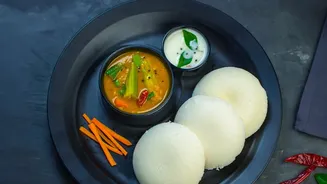
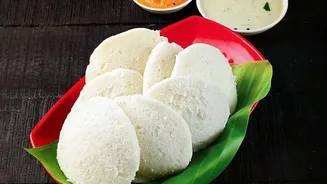
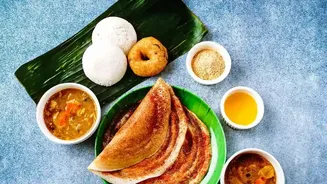
Rice is arguably the most versatile of all Indian staples, transforming completely depending on the region and technique. In South India, rice is the hero of breakfast. It's soaked, ground with urad dal (black gram), and fermented overnight to create
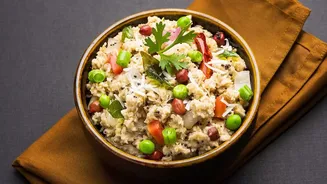
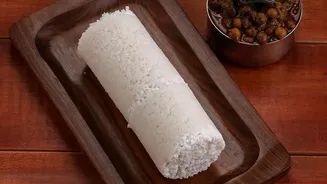
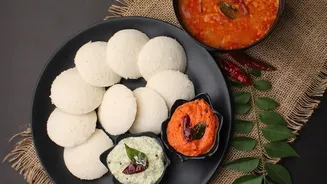
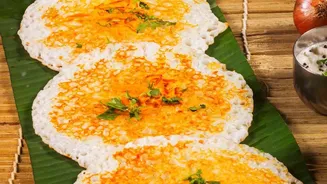
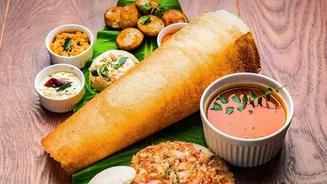
a light, airy batter. This single batter gives birth to two icons: Idli, which are soft, pillowy steamed cakes, and Dosa, a thin, crispy crepe cooked on a hot griddle. The process of fermentation not only creates the unique texture but also makes them easy to digest. Move west to Maharashtra, and rice takes a different form. Here, it’s flattened into flakes to make Poha. These flattened rice flakes are quickly soaked and then tossed in a light tempering of mustard seeds, turmeric, onions, and peanuts, creating a quick, savory, and light breakfast. In the East, rice flour is used to make dishes like the Chakuli Pitha of Odisha, a soft pancake, demonstrating yet another way this single grain is reimagined.
The Power of Lentils
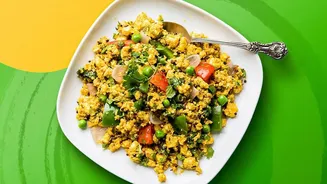
Lentils, or dal, are a powerhouse of protein and a fundamental part of the Indian pantry. Beyond being a lunchtime curry, they play a crucial role in breakfast. The same urad dal used in Idli and Dosa batter provides the protein and helps in the fermentation process that makes them so light. In Tamil Nadu, a different combination of lentils and rice is ground into a coarser batter to make Adai, a nutrient-dense and crispy pancake that is more savory and substantial than a dosa. In the West, gram flour (besan), made from ground chickpeas, is the star of many breakfasts. It's whisked into a batter with spices to make the savory pancake known as Besan Chilla, a quick and popular North Indian dish. In Maharashtra, sprouted lentils form the base of Misal Pav, a fiery curry topped with farsan (crunchy toppings) and eaten with bread rolls—a truly hearty start to the day.
The Wonders of Wheat
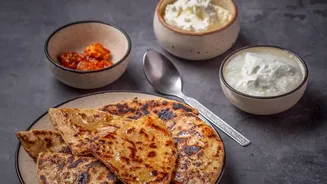
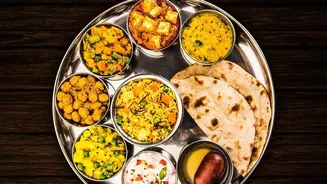
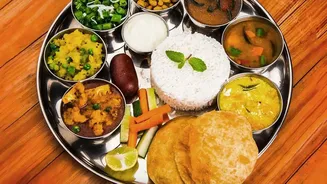
In the northern plains of India, where wheat is a primary crop, breakfast is dominated by an array of flatbreads. The most famous is the Paratha, a whole-wheat flatbread often stuffed with spiced fillings like potato (Aloo Paratha), paneer (cottage cheese), or cauliflower. It's cooked on a tawa with ghee or oil and typically served with yogurt and pickles. A close cousin from Gujarat in the west is the Thepla. While also a flatbread, the preparation differs; ingredients like fenugreek leaves (methi), gram flour, and spices are mixed directly into the dough rather than stuffed. Theplas are usually thinner than parathas and have a longer shelf life, making them a popular travel food. Another popular wheat-based breakfast across North India is Poori, a deep-fried bread that puffs up into a golden ball, often served with a spicy potato curry (Aloo Sabzi).
Millets and Other Grains
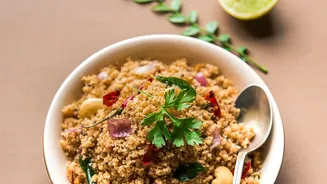
While rice and wheat are dominant, other grains also have their moment in the morning. Millets, ancient grains that have seen a resurgence in popularity, are used in various forms. For instance, ragi (finger millet) flour can be mixed with besan to make a nutritious chilla. Millets can also be used to create versions of Upma or Khichdi. Semolina (rava or sooji), a wheat product, is the key ingredient for Upma, a thick, savory porridge popular across the country, especially in the South. Vegetables and spices are sautéed, the semolina is toasted, and then water is added to create a quick, filling dish. This same versatility shows how even secondary grains are adapted region by region, all contributing to the rich tapestry of the Indian breakfast.