



The Silence of 'Empty Spain'
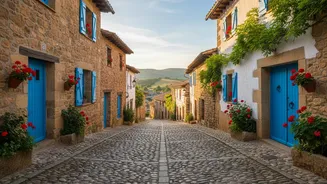
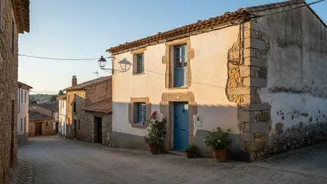
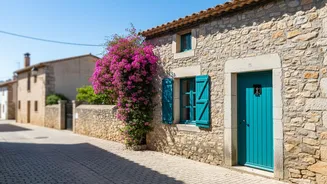
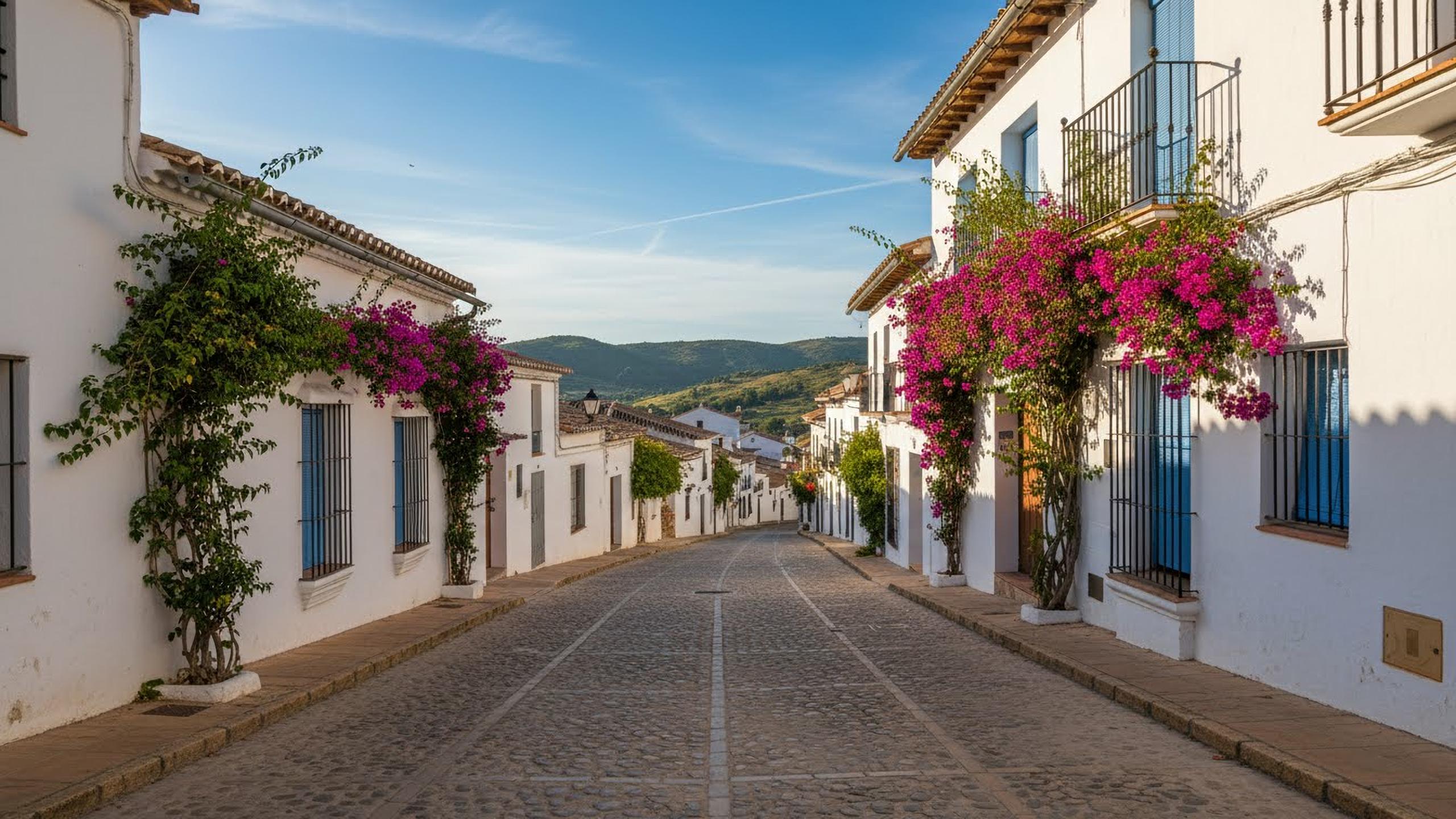
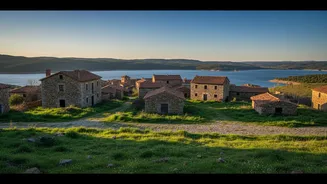
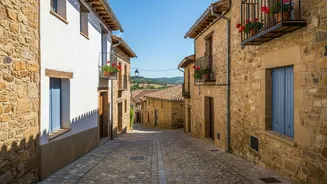
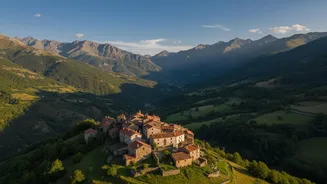
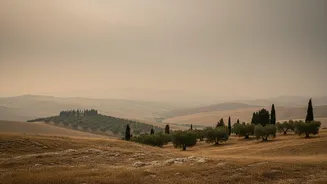
Arenillas is a small village tucked away in the province of Soria, a region symbolic of a phenomenon known as “España Vaciada,” or “Empty Spain.” For decades, the country's rural interior has been steadily losing its population to larger cities, leaving
behind aging communities, empty houses, and a silence that threatens to become permanent. With a registered population hovering around just 40 residents, Arenillas faced a critical choice: adapt or disappear. Like many villages in the region, the departure of younger generations in search of education and opportunities has strained the social fabric, making it difficult to maintain even the most basic services. The local school closed its doors some 30 years ago, a common casualty of depopulation. Faced with this slow decline, the town council and the local cultural association decided that passive hope was not a strategy.
An Unconventional Proposal
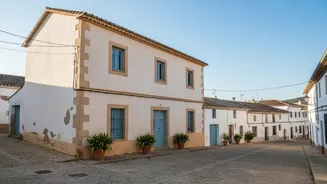
The offer made by Arenillas is a direct and practical solution to an existential problem. The village is providing a fully renovated, rent-free municipal house to a family willing to relocate permanently. But the package goes beyond just housing. It includes guaranteed employment designed to both provide a stable income and serve the community's needs. The core roles are distinct but intertwined with village life: one adult is offered a permanent contract as a municipal builder or maintenance worker, tasked with the upkeep of public buildings. Additionally, the new family is given the opportunity to take over the management of the town's social bar, which in small Spanish villages is not just a business, but the primary hub of community life.
More Than Just an Offer
The initiative is not merely about filling an empty house or a vacant job. The primary goal is to inject new life into the community, specifically by attracting a family with school-aged children. While the local school in Arenillas is closed, the town provides free daily transport to a larger school in the neighboring town of Berlanga de Duero, about 20 kilometers away. This focus on children is a long-term strategy aimed at ensuring generational renewal and preventing the complete erosion of the village's demographic future. The town's social bar is described by community leaders as the institution that “gives life to a town, what creates unity and community,” highlighting that the offer is an invitation to become the very heart of Arenillas.
An Overwhelming Response
When the offer was publicized, the response was immediate and overwhelming. In less than a week, the town council received over 100 applications from families eager to trade city life for a fresh start in the countryside. The flood of interest created a new kind of problem: not finding candidates, but choosing the right one from a long waiting list. This massive response underscores a dual reality. On one hand, it speaks to the desperation of small towns fighting for survival. On the other, it reveals the growing number of people seeking an alternative to the high costs and pressures of urban living, drawn by the promise of stability, community, and a different quality of life. The offer is legally open to anyone with the right to live and work in Spain, but it is not a visa sponsorship program.
One Family's Future, One Village's Hope
The selection criteria are clear: the ideal candidates are a family committed to year-round residency, with skills in construction or maintenance, and a willingness to integrate into the fabric of rural life. The free housing is designed to offset the modest income from the bar, making the entire package viable. This isn't just a transaction; it's a symbiotic relationship. The family gets a life free from rent and the insecurity of the urban job market, while the village gets the people it needs to keep its heart beating. The story of Arenillas is a powerful reminder that in the fight against depopulation, the most effective solutions are often born from a community's own resolve to survive.