




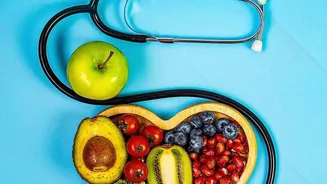
The lights have dimmed and the guests have gone, but the effects of festive indulgence can linger. A cardiologist explains why a simple focus on vegetables and fibre is the key to gently resetting your system and protecting your heart.
The Festive Aftermath
Diwali is a time
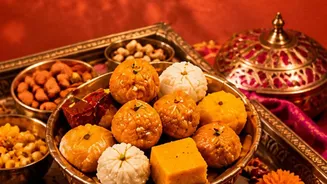
of joy, community, and, of course, delicious food. From syrupy sweets to deep-fried snacks, indulgence is part of the celebration. While these foods bring immense pleasure, they can leave our bodies feeling sluggish, bloated, and overwhelmed. Days of consuming foods high in refined sugars, unhealthy fats, and salt can lead to inflammation, erratic blood sugar spikes and crashes, and digestive distress. Your body's natural detoxification systems, like the liver and kidneys, work overtime. This is not about guilt, but biology. Recognising the strain these foods place on our system is the first step toward a gentle recovery.
Fibre to the Rescue
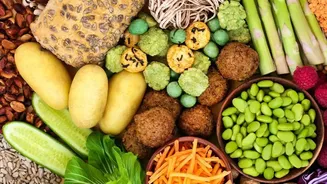
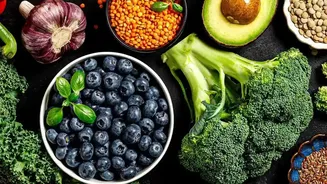
After a period of rich eating, fibre is your best friend. Think of it as a master regulator for your overloaded system. Dietary fibre, found in plants, comes in two forms: soluble and insoluble, and both are crucial. Soluble fibre, found in oats, beans, apples, and carrots, dissolves in water to form a gel-like substance. This gel slows down digestion, which helps prevent the sharp blood sugar spikes you get from sweets. It also binds with cholesterol particles and helps remove them from your system, which is a direct benefit for heart health. Insoluble fibre, found in whole grains and vegetables, doesn't dissolve. Instead, it adds bulk to your stool, promoting regular bowel movements and helping to 'clean out' your digestive tract after days of heavy meals.
The Power of Vegetables
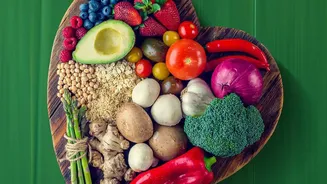
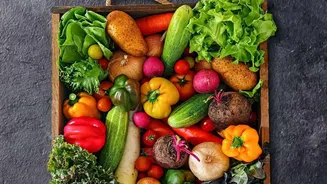
While vegetables are a fantastic source of fibre, their benefits go much further. They are packed with essential vitamins, minerals, and water, all of which are needed to rehydrate and replenish your body. More importantly, colourful vegetables are loaded with antioxidants. Festive foods can increase oxidative stress in the body, a process that damages cells. Antioxidants from vegetables like spinach, broccoli, bell peppers, and tomatoes help to neutralise this damage and reduce inflammation. Prioritising vegetables helps to restock your body with the micronutrients it was missing during the festival, supporting everything from your immune system to your energy levels.
A Cardiologist’s Perspective on Heart Health
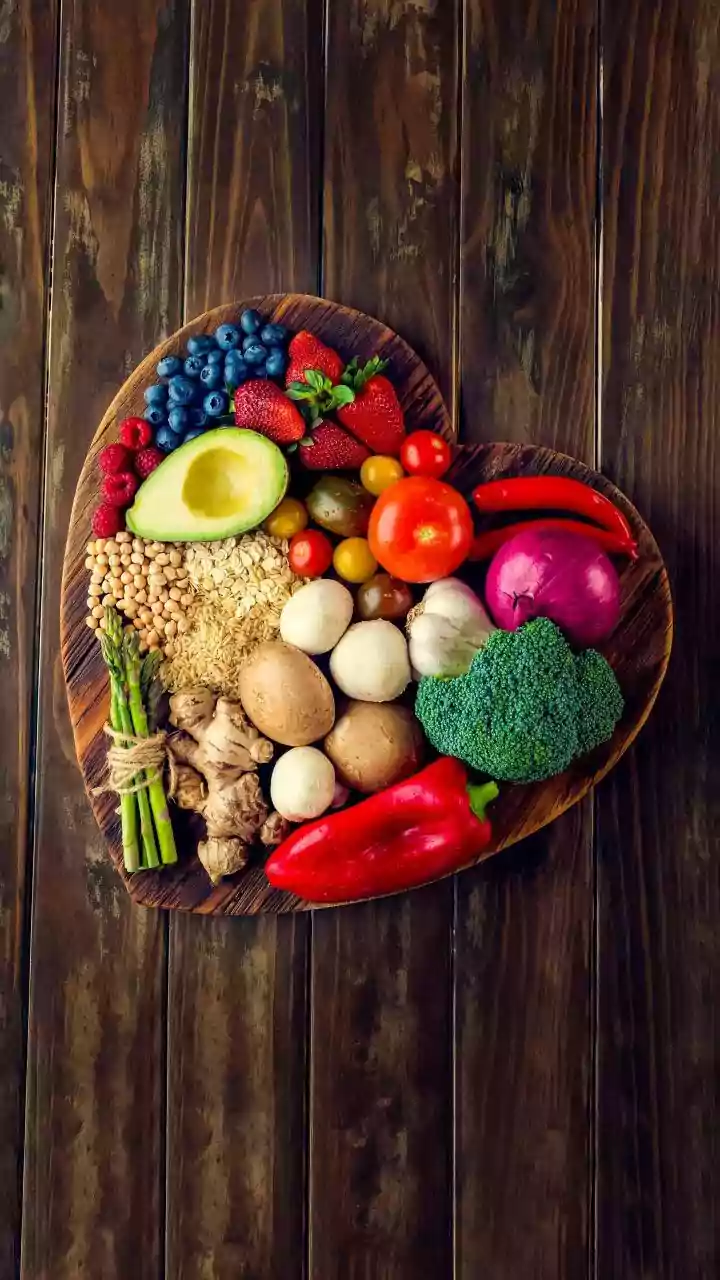
From a cardiologist's viewpoint, the post-Diwali reset is about more than just digestion; it's about long-term heart protection. A diet high in saturated fats and sugar can negatively affect cholesterol levels and blood pressure. Intentionally increasing your intake of fibre and vegetables directly counters this. Fibre helps lower 'bad' LDL cholesterol and can improve blood pressure. Many vegetables are rich in potassium, which helps the body balance sodium levels, a key factor in managing blood pressure. By shifting your diet back to these whole foods, you are not just 'detoxing'; you are actively reducing several major risk factors for heart disease and stroke. It’s a proactive step to ensure the celebrations don't have a lasting negative impact on your cardiovascular health.
Simple Ways to Get Started
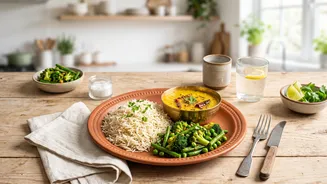
Getting back on track doesn't require extreme measures. Avoid crash diets or restrictive 'detoxes', which are often unsustainable. Instead, gently reintroduce healthy habits. Start your day with a glass of warm water. Try incorporating a simple vegetable soup or a large salad into your lunch or dinner. Swap white rice for brown rice or millets to increase your whole-grain fibre. Snack on a piece of fruit or a handful of nuts instead of reaching for leftover sweets. Even small changes, like adding chopped vegetables to your dal or omelette, make a significant difference. The goal is to nourish your body and support its natural recovery processes, not to punish it.