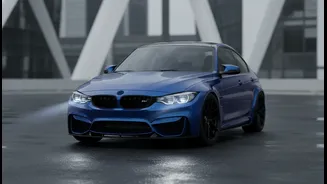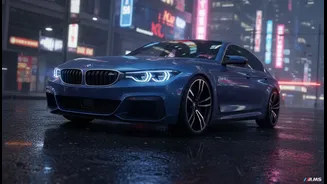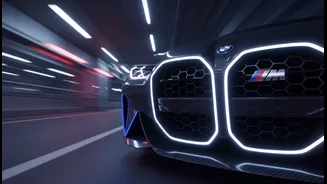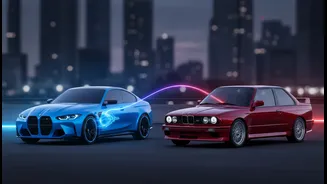




The Power of a Name
For decades, the M3 badge has represented the pinnacle of BMW’s performance sedans. It’s a nameplate steeped in motorsport history and revered by enthusiasts worldwide. For over ten years, BMW has used the 'i' prefix to clearly designate its electric
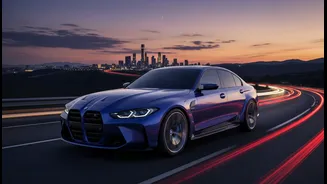
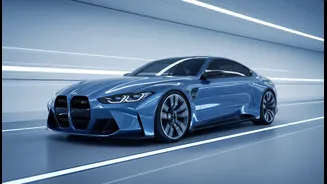
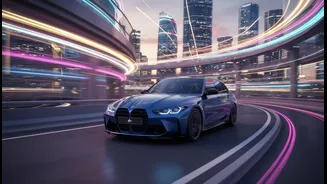
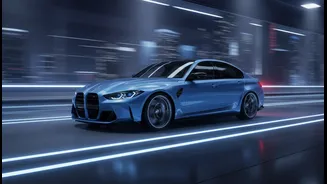
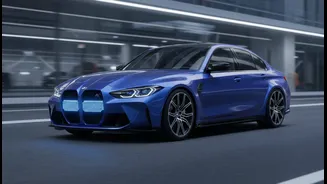
models, from the pioneering i3 to the modern iX and i4. So when news broke that the first-ever electric M3 was on its way, the name 'iM3' seemed like a foregone conclusion. However, in a surprising strategic turn, BMW M's CEO, Frank van Meel, has confirmed the electric version will simply be called the M3. This decision is about more than just a badge; it's a statement about what defines a performance car in an era of technological transition.
One Badge to Rule Them All
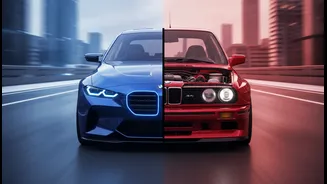
According to Frank van Meel, the M3 nameplate is defined by its performance and driving dynamics, not its powertrain. He argues that an M3 has always been an M3, whether it had a four, six, or eight-cylinder engine, and that principle holds true even when it becomes electric. The company's position is that the 'i' prefix denotes an EV-first sub-brand, while the M3 is, first and foremost, a performance car. By avoiding the 'iM3' label, BMW is refusing to segregate its audience or position its electric performance car as secondary to its petrol counterpart. It’s a bold declaration that an M car is an M car, regardless of what powers it.
Two Paths to Performance
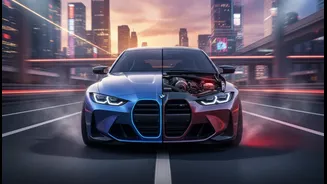
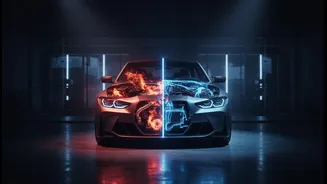
Adding another layer to this strategy, BMW isn't replacing the petrol M3—it's offering customers a choice. The company is developing two distinct M3 models concurrently. The first, expected around 2027, will be the all-electric M3 based on the radical new 'Neue Klasse' architecture. This will be followed by a successor to the current petrol-powered M3, which will retain a straight-six engine and will not be a plug-in hybrid. This dual-platform approach acknowledges that the market transition to EVs is not uniform and allows BMW to cater to both traditionalist buyers and early adopters of electric performance. It’s a strategy of having its cake and eating it too, ensuring the M3 legacy continues across different forms of propulsion.
The Heart of the New Machine
To earn its shared name, the electric M3 will need to deliver on the brand's performance promise. The foundation is the Neue Klasse platform, which uses an 800-volt architecture for high efficiency and power. The car will feature a quad-motor setup, with one electric motor for each wheel, enabling unprecedented levels of precision in power delivery and handling. All this will be managed by a central super-computer nicknamed the 'Heart of Joy,' which controls torque vectoring, stability, and traction faster than any conventional system. Rumours suggest the total output could be as high as 1,000 horsepower. BMW is also developing simulated gear shifts and sound to ensure the car delivers the emotional engagement drivers expect from an M3.