






The Journey of Contamination
Fresh produce can become contaminated at many points before it even reaches the vendor. During growth, vegetables can be exposed to contaminated soil, water used for irrigation, or poor hygiene practices among farm workers. After harvest, they are handled
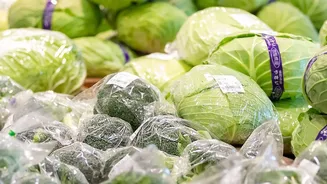
by many people and transported, often in conditions that increase the risk of introducing harmful bacteria. The final display at the market is a critical stage. Practices such as placing vegetables directly on the ground, using dirty water to spray them for a 'fresh' look, and unhygienic handling by vendors can introduce pathogens like E. coli, Salmonella, and Listeria.
What to Look for at the Market
Being a vigilant shopper is your first line of defense. Use your senses to assess the quality and safety of the produce. Choose vegetables that are firm, crisp, and vibrant. Avoid anything that looks bruised, damaged, slimy, or wilted. These imperfections are not just cosmetic; broken skin can be an entry point for bacteria. Pay attention to the vendor's stall. Are the vegetables displayed on a clean, raised surface, or are they on the ground, exposed to dust and foot traffic? A clean and organised stall is often a good indicator of a vendor who takes hygiene seriously.
Red Flags You Shouldn't Ignore
Some practices are clear warning signs. Be cautious of pre-cut fruits and vegetables that are sold in the open air without refrigeration, as they are highly susceptible to bacterial growth. While a gentle mist can keep greens from wilting, observe the water source. The Food Safety and Standards Authority of India (FSSAI) mandates that only potable water should be used for washing or sprinkling on produce. If the water looks dirty or is scooped from a questionable bucket, it’s better to steer clear. Also, be wary of vegetables that have an unnaturally uniform colour or ripeness, as this could sometimes indicate artificial ripening methods. Studies in Indian cities like Bengaluru and Delhi have also raised concerns about heavy metal contamination from polluted water sources and soil, which is a hidden risk that visual inspection cannot detect.
The Final Step: Your Kitchen Hygiene
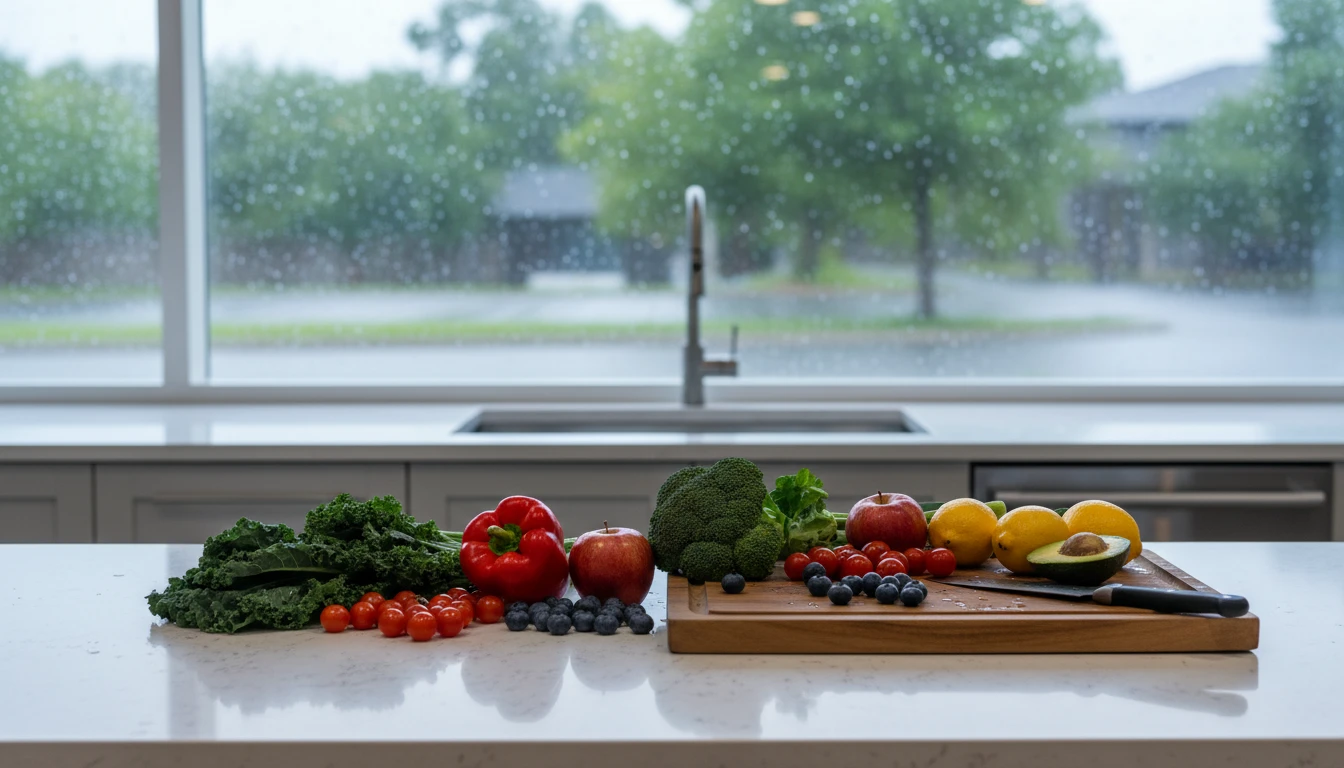
Once you bring your vegetables home, the responsibility for safety shifts to you. The good news is that proper cleaning can significantly reduce the risk. Start by washing your hands with soap and water for at least 20 seconds before and after handling produce. Rinse all vegetables thoroughly under plain running water, gently rubbing the surface. There is no need to use soap or commercial produce washes, which can be absorbed and are not meant for consumption. For firm vegetables like cucumbers, potatoes, or carrots, use a clean vegetable brush to scrub the surface. Even for produce you plan to peel, like melons or gourds, it's crucial to wash the outside first to prevent transferring contaminants from the knife to the flesh.
Leafy Greens and Special Cases
Leafy greens require extra attention as dirt and germs can hide in the folds of the leaves. Separate the leaves of spinach, lettuce, or cabbage. The best method is to submerge them in a large bowl of cold water, swish them around, and then lift them out, allowing the grit to settle at the bottom. Repeat with fresh water if necessary. After washing, dry your produce with a clean cloth or paper towel to further reduce any remaining bacteria. Any bruised or damaged parts should be cut away before cooking or eating. Proper storage is also key; keep perishable vegetables in a clean refrigerator set at 40° F or below.