







What FSSAI Is Proposing
The Food Safety and Standards Authority of India (FSSAI) has introduced a draft amendment that aims to define what can legally be called “paneer”. The proposal, part of the Food Safety and Standards (Prohibition and Restrictions on Sales) Amendment Regulations,
2026, is simple in its goal: to restrict the use of the term 'paneer' exclusively to products made from milk. If the draft becomes law, any product made from non-milk ingredients, even if it looks and feels like paneer, will not be allowed to use the name on its packaging, labelling, or in its marketing. This move is designed to prevent consumers from being misled about what they are buying and eating.
So, What Is 'Analogue Paneer'?
The regulation specifically targets what is known as 'analogue paneer'. Unlike traditional paneer, which is made by curdling cow or buffalo milk with an acid like lemon juice or vinegar, analogue paneer is a substitute product. It's typically manufactured using a combination of ingredients where milk constituents are partially or wholly replaced. These often include cheaper inputs like vegetable oils, palm fat, starch, skimmed milk powder, emulsifiers, and artificial flavouring agents. While these products are designed to mimic the texture and appearance of real paneer, their nutritional profile is vastly different. Analogue versions are often lower in protein and higher in unhealthy fats and carbohydrates.
Why This Regulation Is Needed
The primary driver behind this proposal is consumer rights and transparency. FSSAI’s stated objective is to prevent the public from being misled about the nature and composition of the food they purchase. For years, there have been concerns about businesses selling cheaper, analogue products as authentic paneer, often without any disclosure. This not only deceives customers, who may be paying a premium for a lower-quality item, but it also harms genuine dairy producers who adhere to quality standards. The move follows crackdowns on such products in several states, including Maharashtra and Gujarat, prompting the need for a uniform national standard.
How This Will Affect You
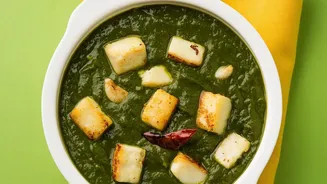
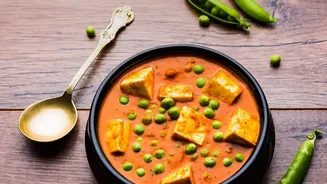
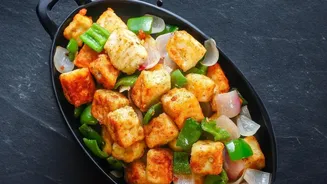
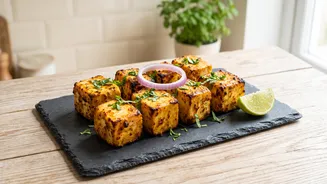
For consumers, this change is all about clarity. When you pick up a package labelled 'paneer', you can be confident it's the real, milk-derived product. The rule change isn't just for supermarkets; it extends to restaurants, hotels, and caterers. These establishments will be required to disclose prominently on their menus or display boards if they are using a paneer analogue instead of the real thing. This allows you to make an informed choice based on ingredients, nutritional value, and price. So the next time you order paneer tikka, you'll have a better idea of what's actually on your plate.
Is This a Ban on Vegan Paneer?
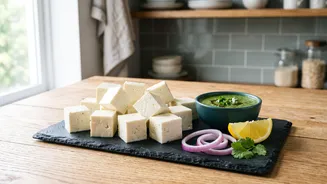
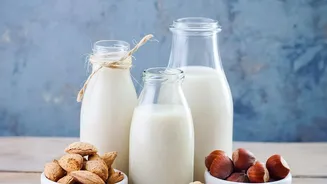
It's important to note that this is not a ban on the products themselves, but a restriction on the name they can use. Plant-based products, like those made from tofu (soya), nuts, or legumes, will still be available. However, manufacturers will have to market them under a different name that doesn't include the word 'paneer'. The goal is to create clear categories. A product made from milk is paneer. A product designed to imitate it, whether for cost reasons or for a vegan diet, is an analogue or a plant-based alternative and must be labelled as such. This helps differentiate between products meant to be dairy-free for dietary reasons and those simply made to be cheaper imitations.
What Happens Next?
The proposal is currently in a draft stage. FSSAI has opened a 60-day window for stakeholders, including manufacturers, food businesses, and the general public, to submit their objections and suggestions. After this period, the regulator will review the feedback before taking a final decision on the amendment. If it is passed in its current form, companies manufacturing analogue products will need to rebrand and relabel their items, and food service businesses will need to update their menus and disclosures to comply with the new standard.