






A New Generation for a New Era
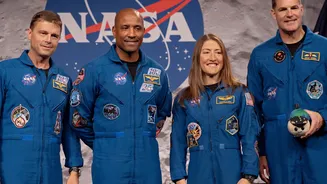
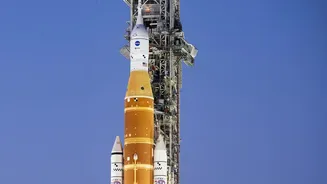
This isn't just another recruitment drive; it's a call for the pioneers of the Artemis Generation. The successful candidates will be at the forefront of humanity's return to deep space, with missions centered on establishing a sustained presence on the Moon
and preparing for the first human footsteps on Mars. NASA Administrator Jared Isaacman stated that these new recruits could be the ones to 'walk on the Moon, live and work at the Moon Base, and help pioneer the systems and operations that will ultimately carry crews to Mars'. With only 32 active astronauts, the agency needs to expand its corps to meet the demands of these ambitious long-duration missions.
The Right Stuff: 2026 Edition
The basic requirements to apply are straightforward but demanding. Applicants must be U.S. citizens and hold a master's degree in a STEM field from an accredited institution. This includes disciplines like engineering, biological science, physical science, and computer science. However, NASA recognizes that talent comes from diverse paths. The master's degree requirement can also be met by completing two years of work toward a related doctoral program, holding a Doctor of Medicine (MD) or a similar advanced medical degree, or completing a recognized test pilot school program by July 2027. Beyond academics, candidates need at least three years of related professional experience or, for pilots, significant flight time, such as 750 hours of pilot-in-command time in high-performance jets.
How To Throw Your Hat in the Ring
For those who meet the qualifications, the application window is brief. The agency began accepting applications on November 7, 2026, and the deadline is 11:59 p.m. EST on December 3, 2026. Aspiring astronauts can apply through the federal USAJobs website. It is a rigorous process, and the competition is famously fierce. The last application round in 2024 attracted over 8,000 applicants, from which NASA selected just 10 candidates in 2025. The agency expects to announce its final selections from this current round in late 2027.
The Long Road After Selection
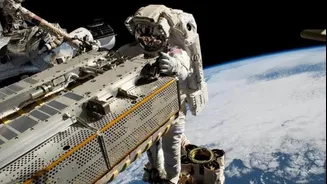
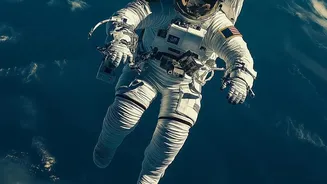
Getting selected is just the beginning of a long and arduous journey. The chosen few will enter a two-year training program as Astronaut Candidates, or 'ASCANs', at the Johnson Space Center in Houston. This intensive training covers a vast array of skills essential for spaceflight. Candidates will learn everything from spacewalking, rehearsed in massive underwater facilities, to robotics, spacecraft systems, and lunar geology. They also undergo flight training and must pass NASA's long-duration astronaut flight physical. Upon graduation, they join the active astronaut corps, but can still wait years for a specific mission assignment.