


The Allure of Homemade Sunscreen
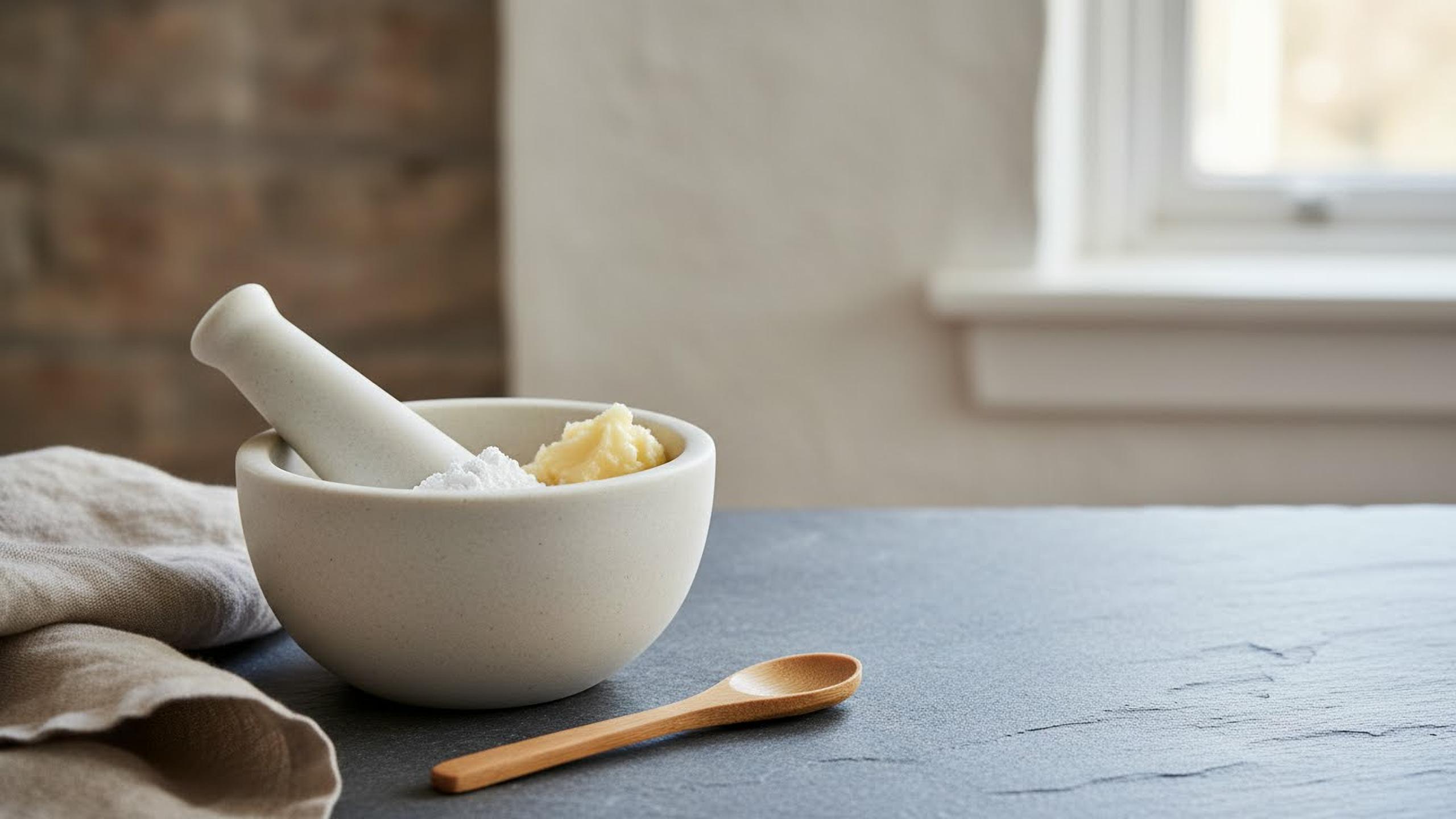
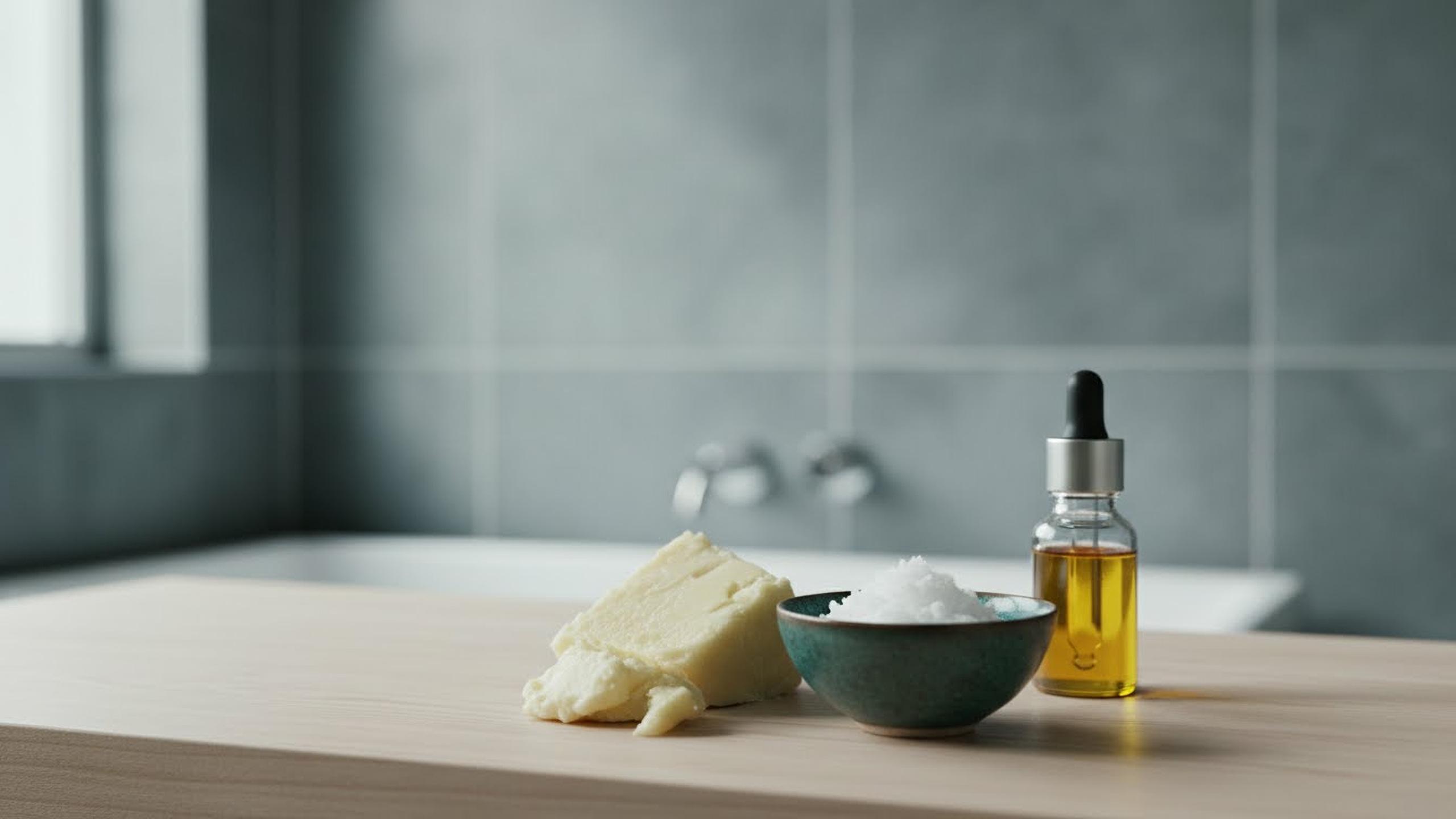
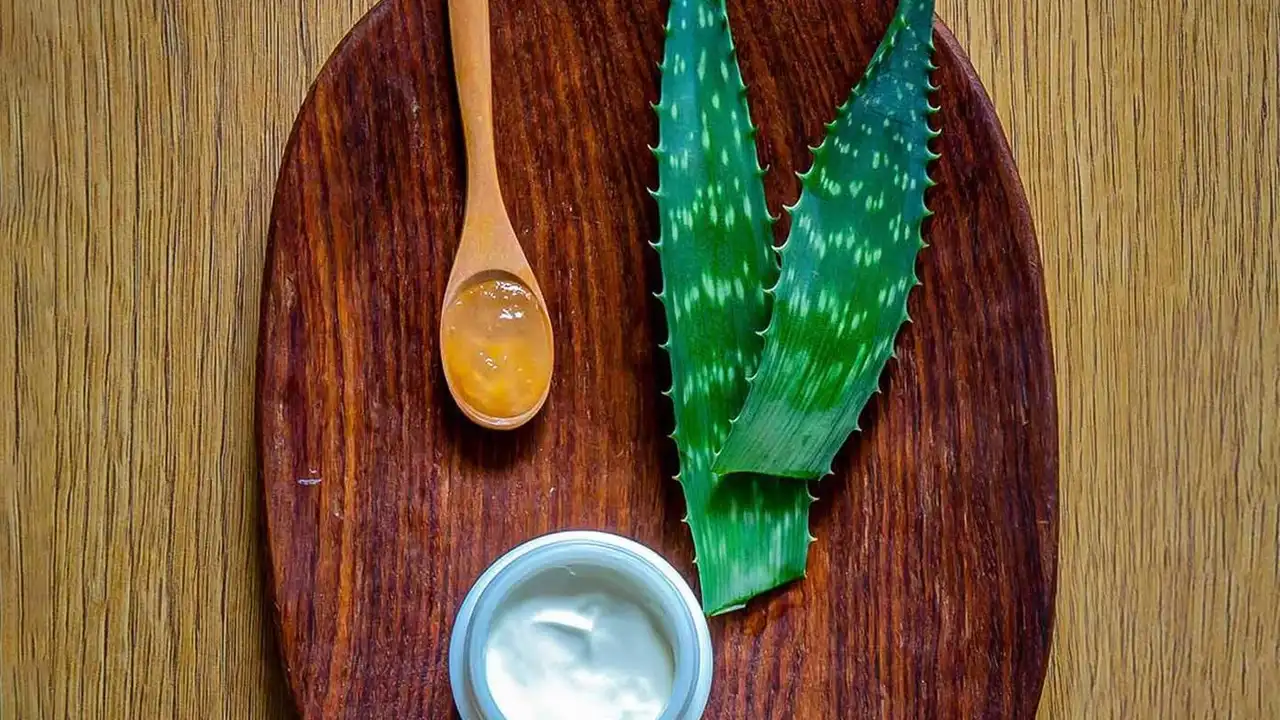
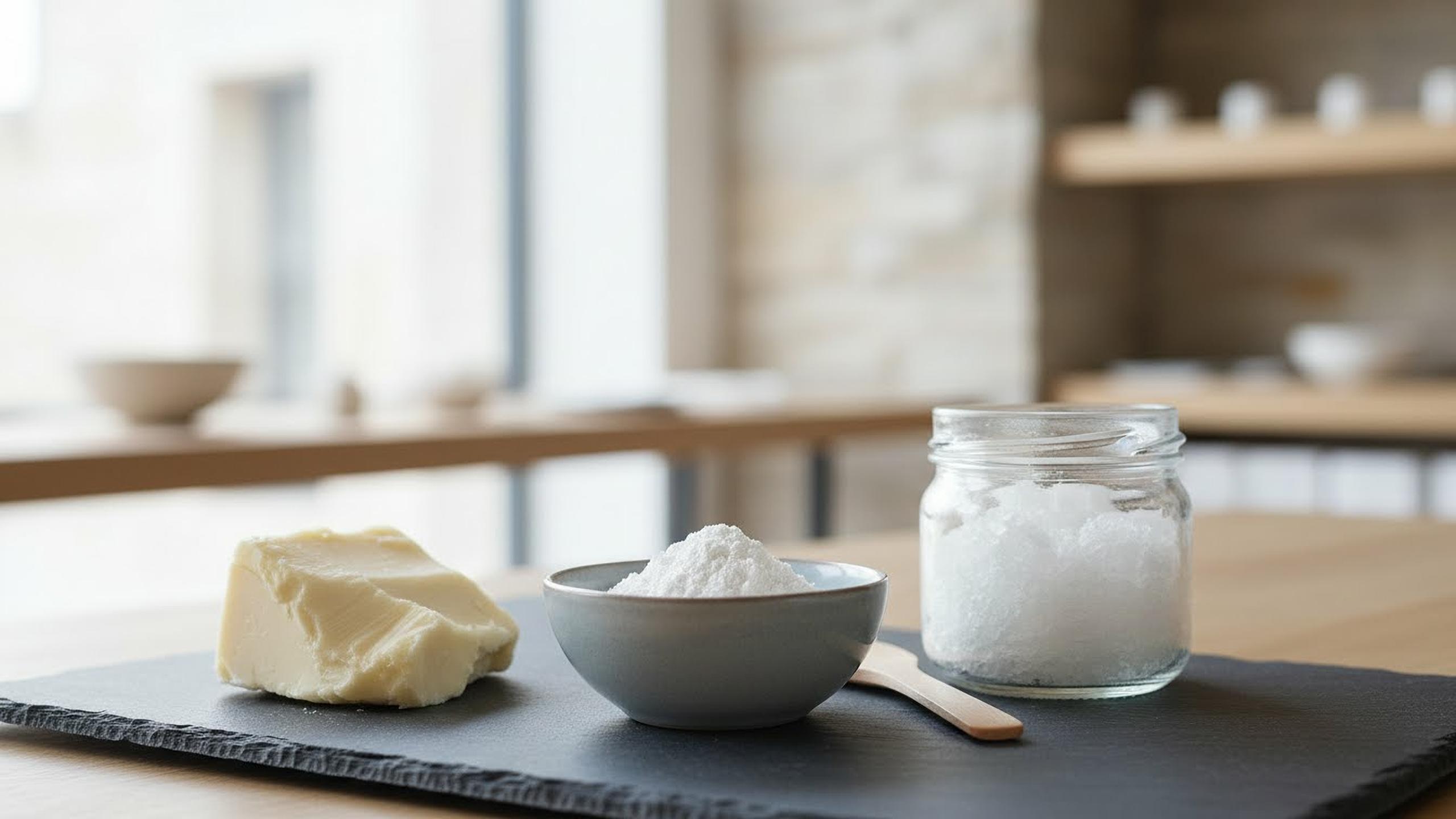
On social media, videos of influencers blending coconut oil, shea butter, and zinc oxide powder into a creamy concoction are everywhere. The appeal is obvious: control over ingredients, avoidance of long chemical names, and the satisfaction of creating
something 'natural'. For many, it seems like a wholesome alternative to commercial products. The narrative often suggests that store-bought sunscreens are filled with 'toxins', pushing people towards these homemade solutions. This trend taps into a powerful desire for simplicity and purity in what we put on our bodies. However, what these videos don't show is the complex science required to create a product that actually protects your skin from harmful UV radiation.
The Dangerous Reality of DIY Formulas
Sun protection is not a vibe; it's a measured performance. While ingredients like coconut oil or raspberry seed oil are often cited for having natural SPF, their protective abilities are minimal and wildly inconsistent. Studies show that most plant oils have an SPF value between 1 and 8, which is far below the minimum SPF 30 recommended by dermatologists. Even if a recipe includes zinc oxide, a key mineral filter, there is no way to guarantee its effectiveness at home. For a sunscreen to work, the zinc oxide particles must be of the right size and distributed perfectly evenly throughout the formula to form a uniform protective shield on the skin. In a homemade mixture, these particles can clump together or settle at the bottom, leaving your skin with patchy, unreliable coverage and a false sense of security.
How Sunscreen Is Professionally Tested
Getting an SPF number on a bottle is an expensive and rigorous process. In India, the Bureau of Indian Standards (BIS) has established new rules to standardise testing, ensuring that the SPF claim on a label is trustworthy. The globally recognised standard, ISO 24444, requires in-vivo testing, which means the product is tested on human volunteers in a controlled lab setting. Scientists apply a precise amount of sunscreen (2 mg per square centimetre) to a small area of the skin and then expose it to a specific amount of UV light from a solar simulator. They measure the 'Minimal Erythema Dose' (MED), which is the amount of UV radiation required to cause slight skin reddening. The SPF is calculated by comparing the MED on protected skin to the MED on unprotected skin. This process is highly controlled to account for every variable, something that is impossible to replicate in a kitchen.
Broad-Spectrum Protection Is Non-Negotiable
Effective sun protection is about more than just SPF, which primarily measures protection against UVB rays—the kind that cause sunburn. It's equally important to be shielded from UVA rays, which penetrate deeper into the skin, causing premature ageing and increasing the risk of skin cancer. A sunscreen that protects from both is called 'broad-spectrum'. Commercial sunscreens undergo separate testing to validate this claim. DIY recipes have no way of ensuring this dual protection. You could be diligently applying a homemade lotion that prevents you from turning red, while unknowingly leaving your skin exposed to the silent, long-term damage caused by UVA radiation.
The Verdict from Dermatologists
The consensus among dermatologists and health organisations like the American Academy of Dermatology is clear: do not rely on homemade sunscreen. The risks of inadequate protection—including painful sunburns, accelerated skin ageing, and most importantly, an increased risk of skin cancer—far outweigh any perceived benefits. Dr. Aamna Adel, a London-based dermatologist, states that homemade sunscreen simply will not protect your skin as it should. If you have concerns about the ingredients in chemical sunscreens, experts recommend opting for a regulated mineral-based sunscreen containing zinc oxide or titanium dioxide. These have been professionally formulated and tested to ensure they are both safe and effective.