






The Great Cinnamon Mix-Up
In the world of spices, few are as beloved as cinnamon. In India, we know it as dalchini, the aromatic bark that adds warmth and depth to countless dishes. However, the term is often used to describe two very different products: 'true' cinnamon and cassia.
While related, they come from different plants and have distinct differences in flavour, appearance, and health properties. The vast majority of what is sold as cinnamon globally, especially in ground form, is actually the cheaper and more robust cassia. This substitution is so common that many of us may have never tasted true cinnamon without realising it.
True Cinnamon: The Delicate Original
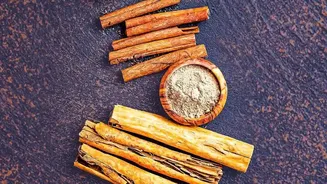
True cinnamon, scientifically known as Cinnamomum verum, is primarily from Sri Lanka and Southern India. It is often called Ceylon cinnamon. This variety is prized for its delicate, sweet flavour with subtle floral and citrus notes. To harvest it, farmers use the soft, thin inner bark of the Cinnamomum tree, which is layered together into brittle, multi-layered quills that resemble a cigar. These sticks are light tan or golden-brown, crumble easily, and are more expensive due to the labour-intensive harvesting process. Its nuanced flavour makes it ideal for desserts and beverages where a gentle spice note is desired.
Cassia: The Bold Imposter
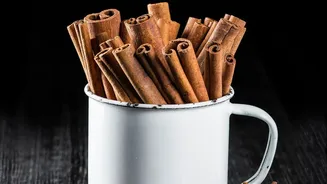
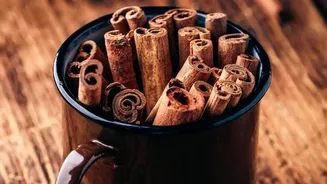
Cassia, on the other hand, comes from several related species, including Cinnamomum cassia (Chinese), Cinnamomum burmannii (Indonesian), and Cinnamomum loureiroi (Saigon). It originates from regions like China, Vietnam, and Indonesia. Cassia is what most people associate with the classic 'cinnamon' flavour: strong, spicy, and pungent. Its bark is much thicker, darker reddish-brown, and forms a hard, hollow scroll rather than a layered quill. Because it is cheaper to produce and has a more aggressive flavour that stands up in bold dishes, cassia dominates the global market and is often what you'll find in supermarket jars simply labelled 'cinnamon' or 'dalchini'.
The Health Question: Why It Matters
The key difference from a health perspective lies in a compound called coumarin. Cassia cinnamon contains significantly high levels of coumarin, which, in large or regular doses, has been linked to potential liver irritation or damage in sensitive individuals. Some studies suggest cassia can contain up to 250 times more coumarin than Ceylon cinnamon. Ceylon cinnamon, by contrast, contains only trace amounts, making it a safer choice for frequent consumption or for those who use cinnamon for its health benefits. While occasional use of cassia in cooking is generally considered safe for most people, those who consume large amounts daily—in supplements, smoothies, or teas—should be aware of the distinction.
How to Spot the Difference
For the discerning home cook, telling the two apart is straightforward once you know what to look for, especially with whole sticks. Appearance of Sticks: Ceylon cinnamon sticks are composed of many thin, fragile layers rolled together and are light brown. Cassia sticks are a single, thick layer of bark curled into a hollow tube and are dark reddish-brown. Texture: A Ceylon stick is brittle and can be easily crushed into a fine powder. A cassia stick is very hard and woody, and may even damage a spice grinder. Aroma and Taste: Ceylon has a sweet, delicate aroma. Cassia has a much stronger, pungent, and spicy scent. The flavour follows suit, with Ceylon being mild and sweet, while cassia is bold and can have a slightly bitter aftertaste. Check the Label: When buying, look for packaging that explicitly states 'Ceylon cinnamon' or 'Cinnamomum verum'. Vague terms like 'ground cinnamon' often point to cassia.