



Phase 1: Robotic Scouts and Early Landings (Through 2029)
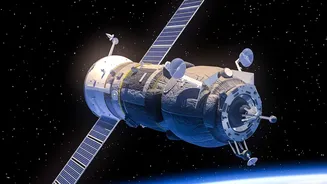
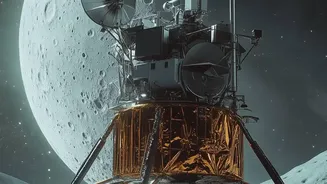
The first phase is already in motion, focusing on laying the groundwork with a 'surface-first' strategy. This involves a series of robotic and commercial missions to the lunar South Pole, a region believed to hold vital resources like water ice. These
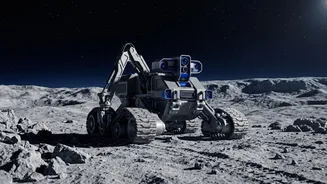
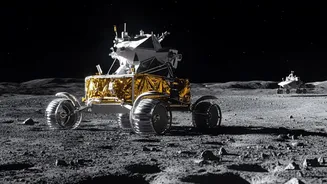
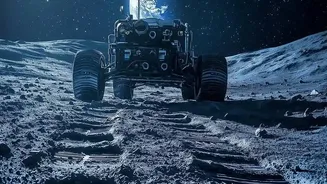
initial missions, some launched by partners like Blue Origin and Astrobotic under the Commercial Lunar Payload Services (CLPS) initiative, are designed to test critical technologies and reduce risks for human landings. Payloads will test power systems, communications, and navigation, while rovers conduct mobility trials. This phase is crucial for gathering data on the lunar environment and scouting the ideal location for the future Artemis Base Camp. This entire stage is about ensuring astronauts can reliably and safely get to the Moon's South Pole and back, building confidence before more complex infrastructure is deployed.
Phase 2: Building a Foothold (2029–2032)
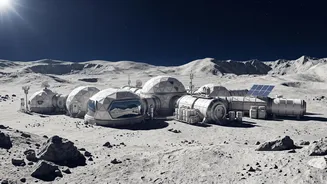
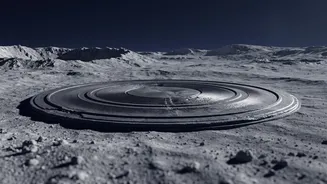
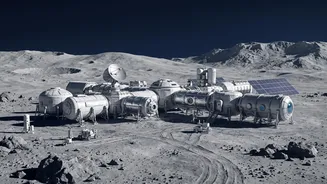
Once the initial exploration and technology demonstrations are complete, the second phase shifts toward establishing a semi-permanent infrastructure. This is where the 'Artemis Base Camp' begins to take physical shape. The focus will be on deploying foundational habitats that can support astronauts for longer durations than the initial short stays. Key elements include setting up sustainable power systems, potentially including nuclear fission reactors, which can operate through the long, dark lunar nights. A crucial part of this phase is mobility. Japan's space agency, JAXA, is contributing a pressurized rover, a kind of high-tech camper van that will allow astronauts to undertake long-range exploration trips lasting several weeks. This phase bridges the gap between short visits and a truly sustained presence.
Phase 3: A Permanent Lunar Outpost (2032 and Beyond)
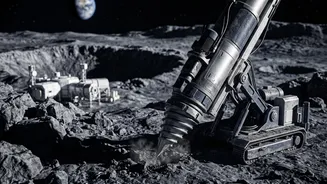
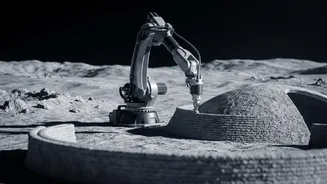
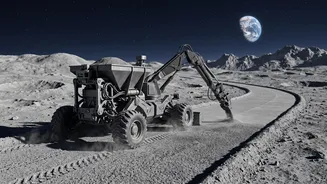
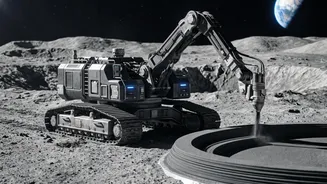
The final phase marks the transition from a temporary camp to a fully operational, continuously active lunar base. This stage envisions routine crew rotations and long-duration missions where astronauts could live and work on the Moon for months at a time. The habitat will be expanded for long-term crewed operations, and nuclear power systems will be scaled up to support a growing outpost. A major goal of this phase is to master in-situ resource utilization (ISRU). This means learning to 'live off the land' by mining lunar regolith and ice to produce breathable air, drinkable water, and even rocket propellant. This capability is the key to making lunar operations truly sustainable and less dependent on expensive supply missions from Earth. Ultimately, this permanent base will not only be a hub for science but will serve as a vital proving ground and staging point for humanity's next giant leap: sending astronauts to Mars.