



The Anatomy of a $60 Loaf
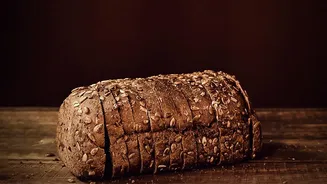
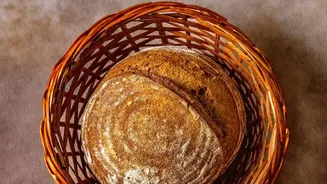
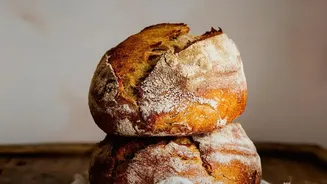
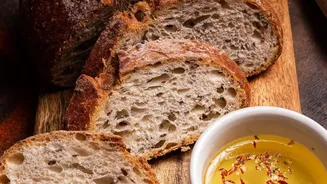
First, let's talk about the bread. At a SoHo bakery called Rye, a massive 3.3-pound loaf of Austrian rye sourdough sells for a headline-grabbing $60. The bakery justifies the cost by pointing to imported organic flour, the high cost of New York real estate,
and a time-intensive process involving a long fermentation and rest period. For many customers, however, they aren't just buying bread; they're buying a story, a craft, and an experience. This phenomenon isn't unique to bread. From single-origin coffee to artisanal cheese, American consumers have shown a willingness to pay a premium for products with a compelling narrative of craftsmanship and exclusivity. It becomes a status symbol, something to talk about, and a bucket-list item for food-obsessed urbanites.
The 'Cheap Eats' Ghetto
This brings us to the other side of the equation. For decades, many international cuisines, including Indian, Chinese, Thai, and Mexican, have been mentally categorized as 'cheap eats' by the American public. This expectation developed for complex historical reasons, often tied to the immigrant communities that first brought these foods to the U.S. and catered to their own communities at affordable prices. The result is a deep-seated bias. Diners will often praise the authenticity of a cuisine but hesitate when the price point matches that of a French or Italian bistro. This creates a brutal economic reality for restaurateurs. They are expected to deliver complex, labor-intensive dishes—a single curry can have dozens of ingredients and take hours to perfect—while keeping prices low to meet consumer expectations.
The New Wave of Unapologetic Indian Dining
The good news? A new generation of chefs is actively fighting this perception, and succeeding. Restaurants like Semma, New York's only Michelin-starred Indian restaurant, serve regional South Indian food that refuses to pander to American expectations. In Chicago, Chef Sujan Sarkar’s Indienne earned a Michelin star by presenting Indian flavors with modern, artistic techniques. These chefs and others are part of a movement that is redefining what Indian food can be in America. They are showcasing hyper-regional dishes, using high-quality ingredients, and creating fine-dining experiences that are every bit as sophisticated as their European counterparts. At these establishments, tasting menus can already run into the hundreds of dollars, proving that people are willing to pay when the value is properly framed.
It's About More Than Ingredients
Ultimately, the price of a dish is determined by much more than just the cost of raw ingredients. It's about perceived value. A high-end restaurant's price tag accounts for rent, skilled labor, decor, service, and the overall 'experience'—a sensory journey that justifies a premium cost. For years, the complex labor and culinary artistry behind many 'ethnic' cuisines were simply undervalued. Diners were paying for the food, but not for the full experience or the chef's expertise. The success of the $60 sourdough and the rise of premium Indian restaurants both point to the same truth: value is a story. As chefs increasingly share the rich stories, regional diversity, and intricate techniques behind Indian food, diners are finally beginning to understand that its value was never in question—only their perception of it.