

The Allure of Homemade Sun Care
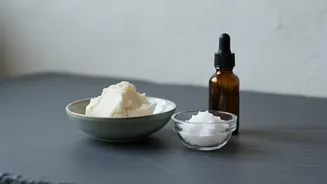
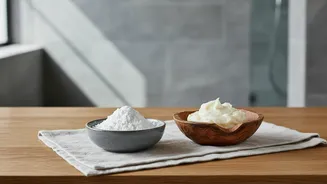
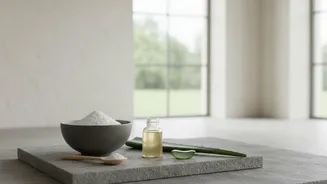
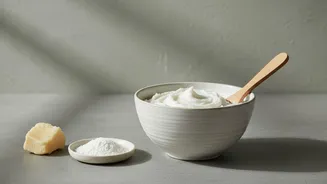
Social media is filled with recipes for homemade sunscreens, often promoted by influencers who champion a from-scratch lifestyle. These concoctions—typically blending ingredients like coconut oil, shea butter, essential oils, and zinc oxide powder—appeal
to those looking to avoid synthetic chemicals and control what they put on their skin. The motivation is understandable; it feels empowering to create your own products. However, when it comes to sun protection, the stakes are incredibly high. Unprotected sun exposure is the leading preventable cause of skin cancer. While homemade recipes promise a natural alternative, they lack the scientific rigour needed to ensure they are safe or effective.
The SPF You Can't Measure
A key failure of any DIY sunscreen is the inability to determine its Sun Protection Factor (SPF). Commercial sunscreens undergo extensive and expensive testing to verify their SPF value. This process, often done on human volunteers, measures how long it takes for skin to redden when exposed to controlled UV light, comparing protected skin to unprotected skin. Furthermore, for a product to be truly effective, it must offer broad-spectrum protection, shielding you from both UVB rays (which cause sunburn) and UVA rays (which cause premature aging and contribute to cancer). There is simply no way to measure SPF or guarantee broad-spectrum coverage in a home kitchen, leaving you with a false sense of security.
Instability in a Jar
Even if you use ingredients known to block UV rays, like zinc oxide, a homemade recipe cannot guarantee stability. Professional formulators use specialized equipment to ensure that protective particles are evenly and consistently dispersed throughout the product. In a DIY mixture, these particles can clump together or settle at the bottom, creating an uneven film on the skin with unprotected patches. This problem is often invisible to the naked eye. Additionally, these products lack the necessary preservatives to prevent the growth of bacteria and mould. Heat from a beach bag or simply the passage of time can cause the formula to separate or degrade, rendering it useless and potentially harmful.
Not All Ingredients Are Equal
Many online recipes suggest using essential oils or natural oils like coconut and carrot seed oil for their supposed SPF properties. However, studies show these oils offer minimal to no protection, far below the minimum SPF 30 recommended by dermatologists. Adding zinc oxide powder seems like a simple solution, but its effectiveness depends on particle size and proper dispersion, something that requires cosmetic chemistry expertise. Some ingredients, particularly certain essential oils, can also be phototoxic, meaning they cause skin irritation or reactions when exposed to sunlight. What's intended to be a protective measure could end up causing a painful rash or burn.
The Professional Standard
Sunscreens sold in stores are regulated as over-the-counter drugs by authorities like the FDA and Health Canada. They must pass a battery of tests for safety, efficacy, and stability. This includes in-vivo tests on people to confirm SPF, water resistance tests that involve subjects sitting in a jacuzzi, and stability testing to determine a reliable expiration date. This rigorous process ensures the product you buy provides the exact level of protection stated on the label, from the first application to the last. This level of quality control and assurance is impossible to replicate with a DIY recipe, no matter how carefully it's made.