






What the Deal Entails
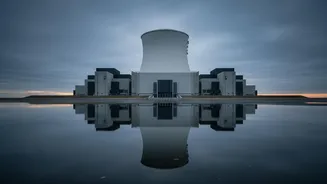
On July 22, 2026, the U.S. and Saudi Arabia signed what is known as a “123 agreement,” a legal framework that permits the transfer of American nuclear technology, materials, and expertise for peaceful civilian purposes. This deal is intended to help Saudi Arabia build
its first nuclear power plants, a cornerstone of Crown Prince Mohammed bin Salman’s Vision 2030 plan to diversify the kingdom's economy beyond oil. For the U.S., it represents a major commercial opportunity for American companies and a strategic move to maintain influence in the Middle East, particularly by boxing out competitors like China and Russia who are also eager to partner with Riyadh on its nuclear ambitions.
The Unresolved Condition: Uranium Enrichment
The most significant and contentious part of the agreement is the question of uranium enrichment. Enrichment is the process of concentrating uranium to make it usable as fuel for a nuclear reactor. However, the same process, if continued to higher levels, can produce weapons-grade material. Saudi Arabia has long insisted on the right to enrich uranium on its own soil, arguing for a self-sufficient fuel cycle. This is a major red line for non-proliferation advocates and for Israel, who fear it could provide a pathway for the kingdom to develop a nuclear weapon. The deal reportedly includes a two-year joint study to assess the economic viability of domestic enrichment, with U.S. companies potentially operating any future facility under a “black box” arrangement to prevent technology transfer.
The Israel-Saudi Normalization Factor
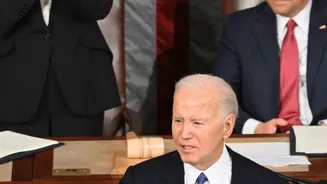
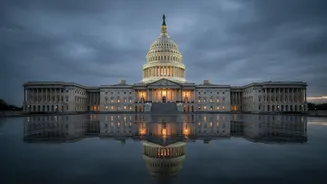
The nuclear agreement is deeply intertwined with the stalled efforts to normalize diplomatic relations between Saudi Arabia and Israel. The Biden administration had previously linked nuclear cooperation to Saudi Arabia joining the Abraham Accords. The current deal was initially signed without this as a formal precondition. However, following criticism, President Trump stated that the deal would be conditional on Saudi-Israeli normalization, creating confusion. As of late July 2026, reports suggest the agreement is proceeding to the U.S. Congress for review without a formal normalization clause, a move that has alarmed many in Israel who see it as giving away a key piece of leverage for peace.
A Regional Arms Race?
Israeli officials and security experts have voiced significant concern over the deal, warning that allowing Saudi Arabia enrichment capabilities—even under supposed safeguards—could trigger a regional nuclear arms race. The fear is that other regional powers, seeing the precedent, would pursue similar programs. The Crown Prince himself has stated in the past that if Iran were to develop a nuclear bomb, Saudi Arabia would “follow suit as soon as possible.” This statement hangs over the entire agreement, raising the stakes considerably. Many Israeli politicians, including from the opposition, have called the deal a strategic failure that endangers national security.
The China and Russia Alternative
Complicating Washington's calculations is the reality that if the U.S. imposes conditions that are too strict, Saudi Arabia has other options. Both China and Russia are capable and willing providers of nuclear technology and may not demand the same stringent non-proliferation standards. China has already been cooperating with Saudi Arabia on geological surveys for uranium deposits and has offered to build reactors. This gives Riyadh significant leverage in its negotiations with Washington. For U.S. policymakers, it's a strategic dilemma: engage with Riyadh to maintain oversight and influence over its nuclear program, or risk losing that influence entirely to global rivals.