


The Rumor Mill Awakens
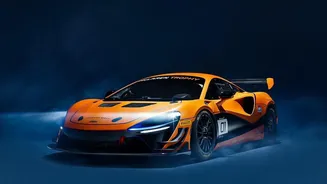
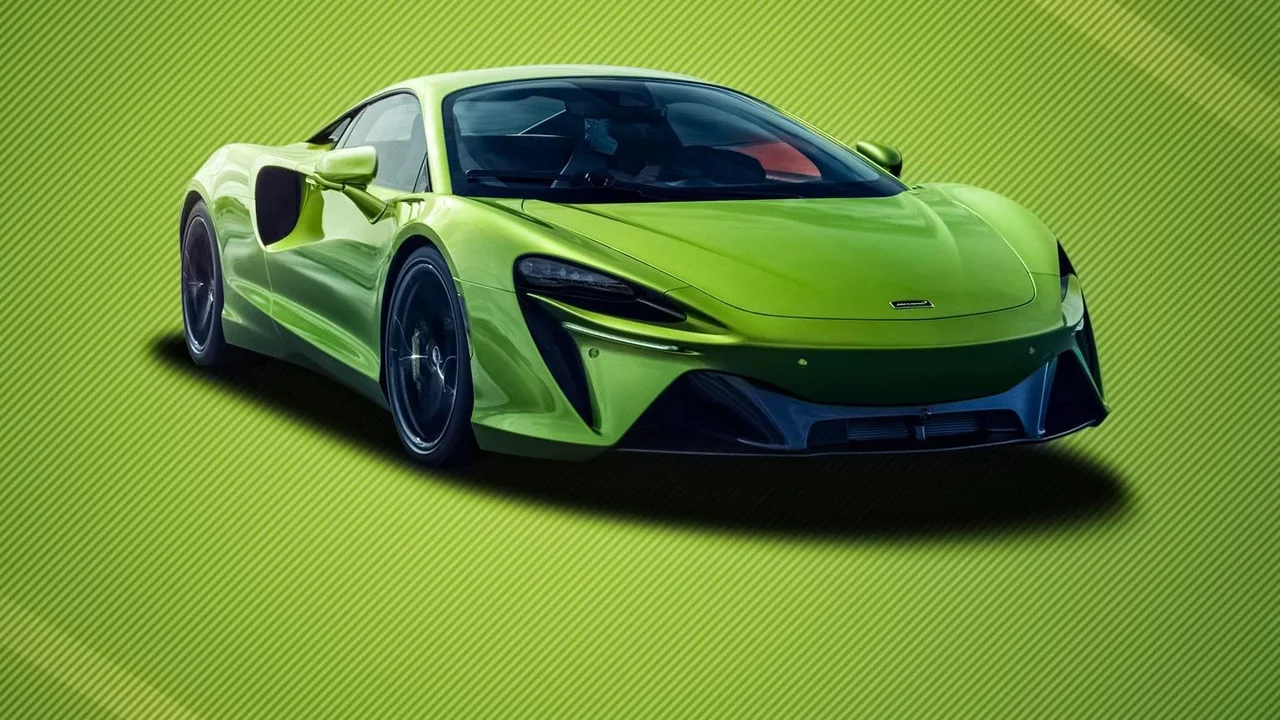
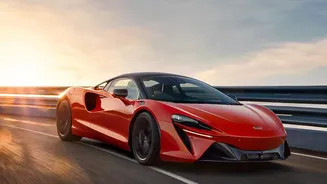
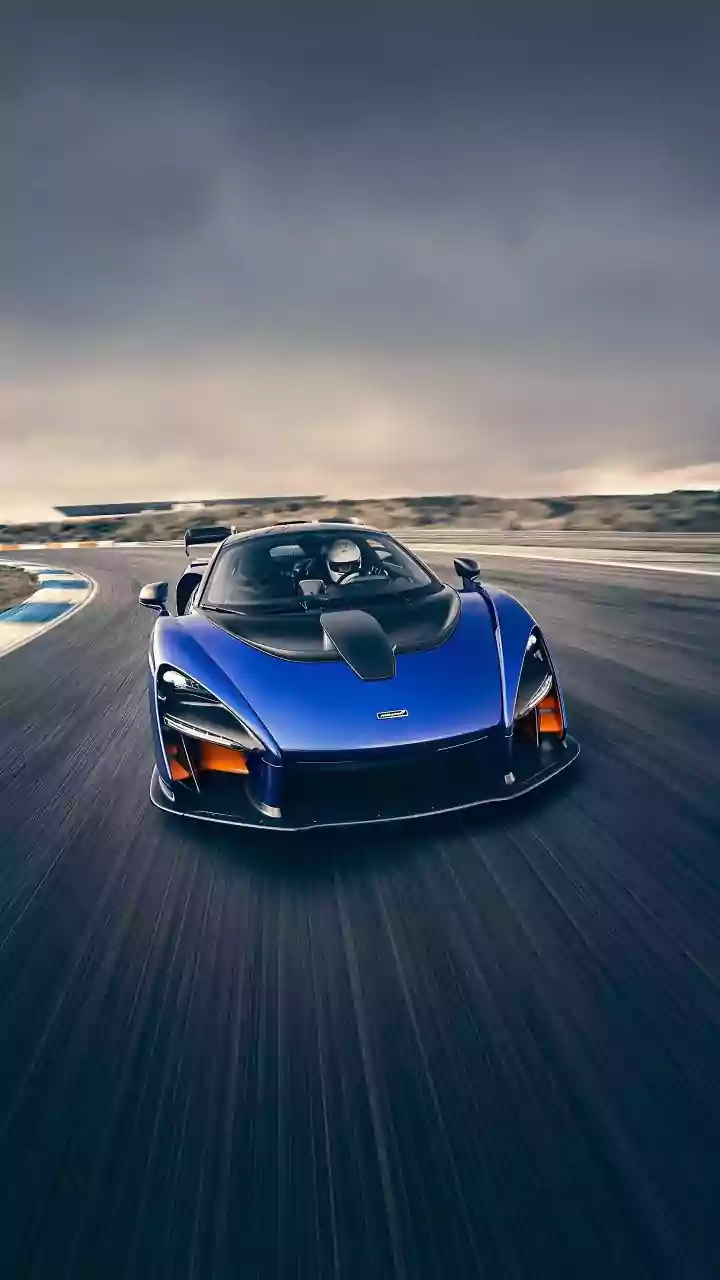
Recent unconfirmed reports suggest McLaren is developing a new, ultra-exclusive hypercar featuring a manual gearbox. Internally codenamed the P50, the project is rumored to be a limited-edition flagship set to be unveiled as soon as August 2026 at The
Quail, a prestigious event during Monterey Car Week. If the speculation is true, it would mark the first time McLaren has offered a three-pedal setup in a production car since the iconic F1 ceased production in 1998. Details remain scarce, with McLaren itself staying completely silent on the matter. The reports, originating from automotive blogs and enthusiast forums, suggest a production run of fewer than 100 units with a price tag expected to exceed the $2.1 million of McLaren's current flagship, the W1.
The Lost Art of Three Pedals
For the past two decades, the manual transmission has been systematically engineered out of existence at the highest levels of performance. Automakers, including McLaren, have universally adopted dual-clutch automatic transmissions (DCTs). The reason is simple: computers shift faster than humans. DCTs provide lightning-quick, seamless gear changes that result in better acceleration and faster lap times, metrics that have long defined supercar superiority. For a brand like McLaren, which has built its modern identity on the relentless pursuit of measurable performance gains through technology, a manual gearbox seemed like a nostalgic step backward. Every car from the Woking-based manufacturer since its modern relaunch has prioritized this efficiency, arguing that true driver engagement comes from chassis feedback and steering feel, not the act of rowing your own gears.
A Market Craving Connection
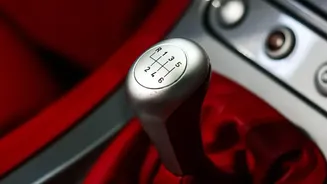
So why would McLaren consider a manual now? The answer lies in a significant market shift. A growing number of wealthy collectors and driving purists are prioritizing analog feel and emotional involvement over ultimate on-paper performance. Porsche has seen immense success by continuing to offer a manual gearbox in its highly sought-after 911 GT3 models, with an increasing number of customers opting for it. Other boutique manufacturers have also found a willing audience. Pagani offers a manual in its Utopia, while Koenigsegg developed a sophisticated simulated manual for its CC850. This trend proves there is a strong appetite for cars that demand more from the driver, even if they are technically slower than their automatic counterparts. For these buyers, the experience is the product.
Chasing the Ghost of the F1
A potential manual flagship inevitably draws comparisons to the McLaren F1, the company's most legendary road car and a high-water mark for analog supercars. The F1 was designed by Gordon Murray, who has since founded his own company, Gordon Murray Automotive (GMA). GMA's current models, the T.50 and T.33, are seen as the true spiritual successors to the F1, built around lightweight construction, naturally aspirated V12 engines, and, crucially, six-speed manual transmissions. By potentially offering a manual hypercar, McLaren would be stepping directly into a conversation currently dominated by its former star designer. A car like the rumored P50 could be seen as an attempt by McLaren to reclaim that heritage and prove it can deliver the raw, unfiltered driving experience that made its name.
Challenges and Opportunities
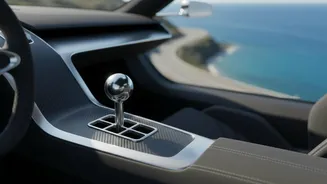
Developing a new manual transmission for a modern hypercar is no small feat. Speculation is rampant about what kind of powertrain it might be paired with—a twin-turbo V8 to meet emissions standards, or perhaps a naturally aspirated engine for purist appeal. There is also the question of whether it would be a true mechanical gearbox or a 'by-wire' system that simulates the feel, similar to what Ferrari and Koenigsegg have recently introduced. While such a project presents engineering hurdles, it also offers a significant business opportunity. A limited-run, high-priced manual special edition could be a major financial boost and a powerful statement for the McLaren brand, signaling a renewed focus on the soul of driving, not just the science of speed.