



An Ice Island is Born
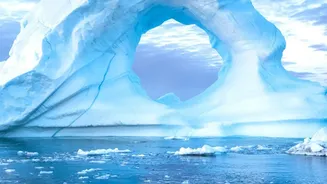
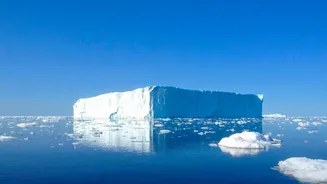
On August 4, 2026, satellite imagery confirmed what scientists had been anticipating for years: a massive section of Petermann Glacier's floating ice tongue had finally detached. The newly formed iceberg covers an area of approximately 76 square kilometres
and is estimated to be up to 150 metres thick. To put that into perspective for an Indian audience, its surface area is larger than the island city of Mumbai. This isn't just any chunk of ice; its flat, vast nature has earned it the name 'ice island.' The European Space Agency has called it the most significant calving event in the Arctic since 2020, a powerful and visible reminder of the rapid changes occurring in the planet's polar regions. Researchers had been monitoring growing cracks and fractures in the glacier since 2019, watching as the ice grew increasingly unstable.
The Science of 'Calving'
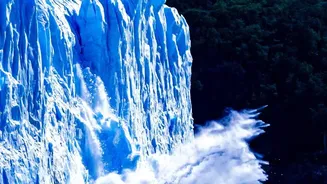
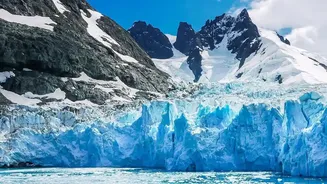
Glacier calving is the process where large pieces of ice break off from the edge of a glacier. It’s a natural part of a glacier's life cycle, often accompanied by a loud cracking sound as immense stress within the ice gives way. Glaciers are like extremely slow-moving rivers of ice, constantly pushed forward by their own weight. When they reach a body of water like an ocean, the front edge, or terminus, begins to break apart. While calving itself is normal, the frequency and size of these events are increasing worldwide, a trend closely linked by scientists to rising air and ocean temperatures. Warmer water melts the glacier from below, destabilizing it, while warmer air melts the surface, creating a dual-front attack on the ice.
Petermann's Pattern of Loss
Petermann Glacier has a history of dramatic break-ups, with major calving events recorded in 2010 and 2012. The 2010 event was even larger than this recent one. However, after 2012, the glacier entered a period of relative stability for over a decade. This month's event marks the end of that stability and is the glacier's most significant ice loss in 14 years. Scientists have been tracking deep fractures across the ice tongue, anticipating this very outcome. Worryingly, this might just be the beginning. Researchers have already identified other large, unstable sections of the glacier that are expected to break off in the near future, which could cumulatively reduce the ice tongue's area by over 20 percent.
Why Arctic Ice Matters for India
An iceberg calving thousands of kilometres away might seem like a distant problem, but its implications are global. The melting of Greenland's ice sheet is a primary contributor to global sea-level rise. For a country like India, with a 7,500-kilometre coastline and numerous low-lying cities, this is a direct threat. Even small rises in sea level can lead to more frequent and severe coastal flooding, erosion, and saltwater intrusion into freshwater sources. Furthermore, the massive influx of cold, fresh water from melting glaciers into the North Atlantic can potentially disrupt ocean currents that regulate global weather patterns. While the direct link is still a complex area of scientific research, some studies suggest these changes in the Arctic could have cascading effects on weather systems like the Indian monsoon, which is the lifeline for agriculture in the subcontinent. The loss of reflective white ice also means the planet absorbs more heat, further accelerating global warming in a vicious cycle.
What Happens Next?
The newly formed ice island is now being tracked by satellites as it drifts into the Nares Strait and eventually the Arctic Ocean. Its journey will be closely monitored by organizations like Environment and Climate Change Canada to assess potential risks to shipping routes. For scientists, this iceberg presents a rare opportunity to study how these massive Arctic ice islands move, fragment, and eventually melt. Their observations will provide crucial data for understanding glacier dynamics and improving models that predict future sea-level rise. The journey of this single iceberg, from its violent birth to its slow decay, will offer invaluable insights into the health of our planet and the future of our changing climate.