


The Contenders: An Introduction
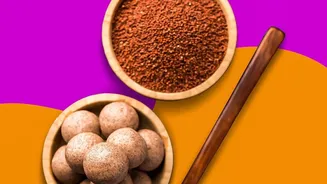
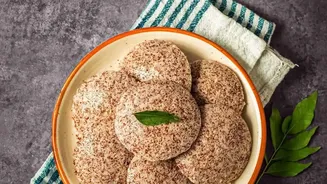
On one side, we have ragi, or finger millet, a humble and hardy grain that has been a cornerstone of Indian cuisine for centuries, especially in the southern states. It’s known for its resilience in harsh weather and its deep, earthy flavour. On the other
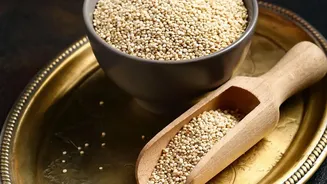
side is quinoa, a seed from South America often consumed like a grain. Dubbed 'the mother of all grains' by the Incas, quinoa has gained worldwide fame for its impressive nutritional profile, particularly its protein content. Both are gluten-free and celebrated for their health benefits, but they have very different nutritional strengths.
The Calcium Champion: Ragi
When it comes to calcium, the verdict is clear and decisive: ragi is the undisputed winner. A 100-gram serving of ragi contains approximately 344-364 mg of calcium. This is a phenomenal amount for any grain, making it one of the best plant-based sources of this essential mineral. To put it in perspective, this is significantly more calcium than found in milk, and it covers a substantial portion of an adult's daily requirement. For growing children, women, and the elderly, who have higher calcium needs for bone development and preventing osteoporosis, ragi is a nutritional powerhouse.
Quinoa's Nutritional Edge
While quinoa can't compete with ragi on the calcium front, it shines brightly in other areas. Its biggest claim to fame is being a 'complete protein', meaning it contains all nine essential amino acids that the body cannot produce on its own. A 100-gram serving of uncooked quinoa offers around 13-14 grams of protein, nearly double that of ragi, which provides about 7 grams. Quinoa also generally has an edge in iron, folate, and various B vitamins. This makes it an excellent choice for vegetarians, vegans, and anyone looking to boost their protein intake for muscle repair and overall energy.
Beyond Calcium and Protein: A Full Comparison
A healthy diet is about more than just single nutrients. Both ragi and quinoa are rich in dietary fibre, which is crucial for digestive health, managing blood sugar levels, and promoting a feeling of fullness that can aid in weight management. Some data suggests ragi has a slight edge in fibre content. Both grains also have a relatively low glycemic index, making them suitable for individuals with diabetes. From a cost and sustainability perspective, ragi has a clear advantage in India. As a locally grown crop, it is far more affordable and has a smaller carbon footprint compared to imported quinoa.
How to Use Them in Your Kitchen
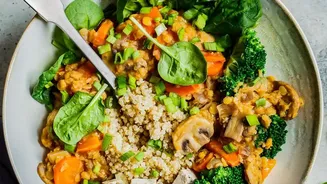
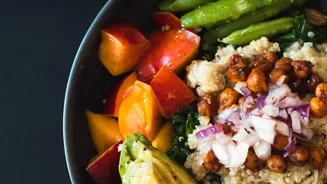
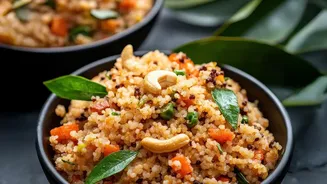
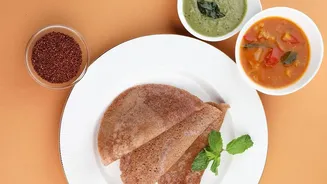
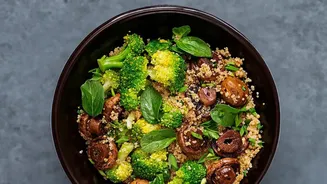
Incorporating both grains into your diet is easy and delicious. Ragi flour has long been used to make traditional Indian dishes like ragi mudde (balls), dosas, rotis, and porridge (kanji). Its earthy flavour pairs well with both sweet and savoury preparations. Quinoa's fluffy texture and mild, nutty taste make it a versatile substitute for rice. It works beautifully in salads, upmas, pulaos, and even as a base for patties and cutlets. You can even combine them, as some recipes do for dishes like a 'ragi quinoa sangati' to get the benefits of both.