


A Partial, Monumental Victory
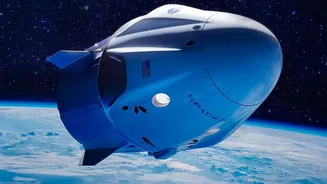
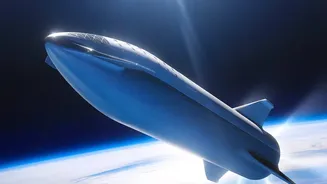
In the skies over Texas on November 14, 2026, SpaceX achieved what had long been considered science fiction. After a 22-hour journey in orbit, the Starship upper stage (dubbed Ship 42) plunged back through the atmosphere, performed a controlled 'belly-flop'
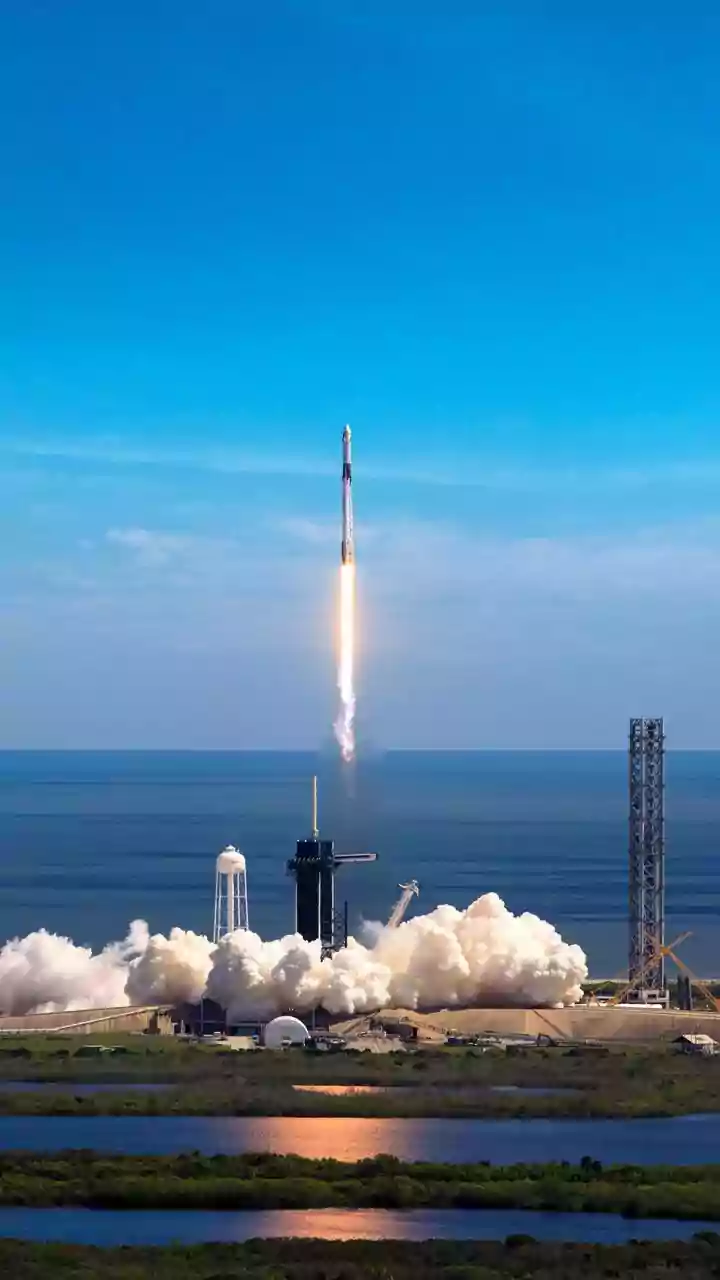
maneuver, and then righted itself to descend gracefully into the giant mechanical arms of the launch tower. This successful 'catch' was the first time an orbital spacecraft's upper stage had ever been recovered this way, a monumental step toward making rockets reusable like airplanes. However, this triumph was preceded by a significant setback. Just minutes after the launch on November 13, the mission's massive Super Heavy booster, which was supposed to perform its own return and catch, experienced a technical issue. The automated systems aborted the tower landing, diverting the booster for a splashdown in the Gulf of Mexico, where it was destroyed. Thus, Flight 15 became a perfect, if bittersweet, symbol of SpaceX’s progress: a giant leap forward, but with the final destination still out of reach.
The Billion-Dollar Question: Why Catch?
To understand the drama of Flight 15, one must first grasp why SpaceX is attempting this audacious maneuver. For decades, rockets were single-use machines, with multimillion-dollar components discarded after every launch. SpaceX’s own Falcon 9 rocket changed the game by proving booster reusability was possible, but even its upper stage is still disposable. Full reusability — recovering and rapidly relaunching both the booster and the ship — is the ultimate goal. It promises to slash the cost of accessing space by orders of magnitude, enabling everything from a sprawling satellite internet constellation to cities on Mars. Catching the vehicles with the launch tower, a system nicknamed 'Mechazilla', is key to this vision for two reasons. First, it eliminates the need for heavy landing legs on the booster, saving precious mass that can be used for payload instead. Second, it enables rapid turnaround. A caught booster is already at the launch pad, ready to be inspected, stacked with a new ship, and refueled for another flight, potentially within hours instead of weeks.
Mechazilla: A Feat of Engineering
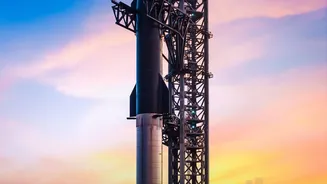
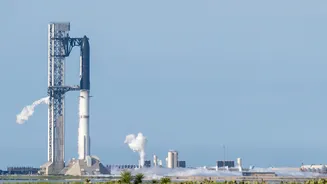
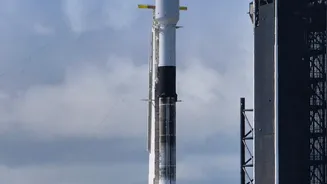
The 'Mechazilla' system is an engineering marvel in its own right. The colossal launch tower is equipped with two giant robotic arms, often called 'the chopsticks', designed to snatch the descending rocket stages out of the air. For this to work, the returning booster or ship must navigate with pinpoint precision, slowing itself with its engines until it is hovering between the arms. The maneuver requires a complex dance of software, sensors, and powerful engines, all working perfectly in the final, critical moments of flight. The forces involved are immense, and the margins for error are razor-thin. The successful catch of the Starship upper stage proved the concept is viable, a feat that will be studied by aerospace engineers for years. But the failure of the Super Heavy booster catch shows just how unforgiving this process can be.
An Unfinished Goal, But A Clearer Path
The failure of the Super Heavy booster to return for its catch during Flight 15 was a stark reminder that this is still very much a development program. Reports indicated that an issue during the 'boostback burn' — the engine firing that redirects the booster toward the launch site — led the automated systems to declare the tower return unsafe. SpaceX will now pour over the data to diagnose the failure, implement fixes, and try again. This iterative process of testing, failing, learning, and improving is the company's core philosophy. While Flight 15 did not achieve the 'double catch', it provided invaluable data. It proved that the most difficult part, catching an upper stage returning from orbital velocity, is possible. It also provided a clear, albeit explosive, data point on a failure mode for the booster return. Each test, whether a full success or a partial failure, refines the system and brings the ultimate goal closer.