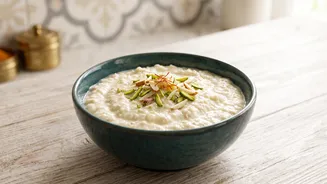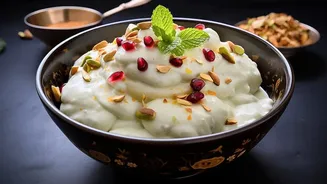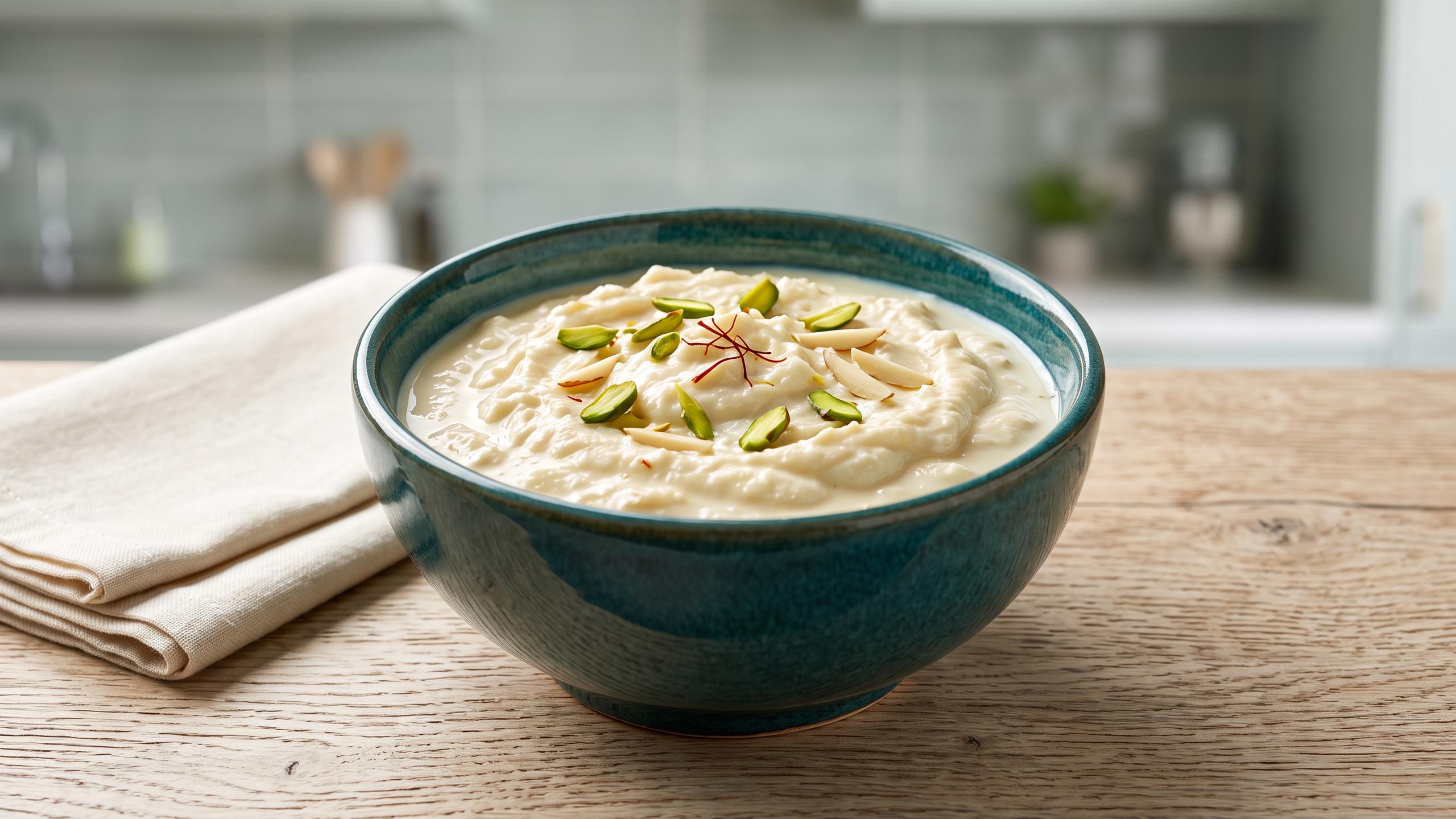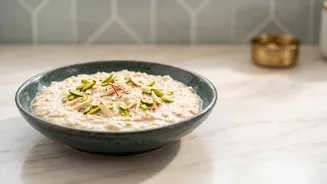








The Slow Romance of Traditional Rabri
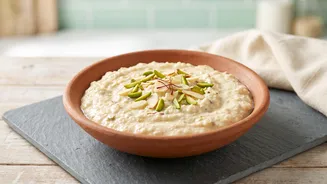
Traditional rabri is the definition of a labour of love. It involves simmering full-fat milk in a wide, heavy-bottomed pan for hours. As the milk heats, a layer of cream, or malai, forms on the surface. This is painstakingly scraped to the side of the pan,
and the process is repeated until the milk has reduced to a thick, luscious, and granular consistency. This slow reduction caramelizes the milk sugars, giving rabri its distinctive colour and complex flavour. The process is meditative but demands immense patience, which is why it's often reserved for festivals like Diwali and other grand celebrations. It’s a dessert that tastes of time and tradition.
Why a Quick Version Matters
In today’s fast-paced world, spending hours over a stove is a luxury few can afford. This is where 15-minute rabri becomes more than just a recipe; it’s a bridge between our hectic lives and our culinary heritage. It matters because it makes a festive, often intimidating, dessert accessible to everyone. Unexpected guests arriving? A sudden craving for something sweet after dinner? A desire to make a festival feel special without spending the entire day in the kitchen? Quick rabri is the answer. It democratizes the dessert, transforming it from a once-a-year project into a simple, joyous activity you can indulge in whenever the mood strikes. It’s about adapting tradition, not abandoning it.
The Secret Ingredients for Speed
The magic of instant rabri lies in a few clever shortcut ingredients that mimic the texture and richness of the slow-cooked version. The most common and effective ones are bread, condensed milk, and milk powder. Bread, with its crusts removed and blitzed into crumbs, acts as a brilliant thickener, dissolving into the milk to create body and a granular feel reminiscent of traditional malai. Sweetened condensed milk is a two-in-one wonder: it provides sweetness and, since it's already reduced milk, it gives the rabri an instant creamy base, saving you hours of simmering. Milk powder is another powerful addition, used to rapidly increase the richness and density of the milk, giving it that luxurious mouthfeel. Some recipes also use fresh paneer or ricotta cheese, which, when crumbled and cooked down, beautifully replicate the lachha (layers) of cream.
Your 15-Minute Rabri Recipe
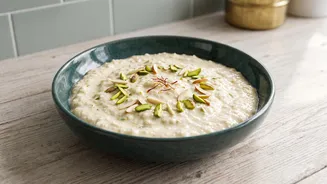
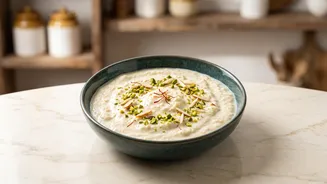
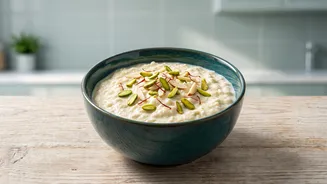
This simple recipe brings together the best of the quick-method ingredients. You will need one litre of full-fat milk, half a cup of condensed milk, a quarter cup of milk powder, two slices of white bread, sugar to taste (optional, as the condensed milk is sweet), a pinch of cardamom powder, and a few saffron strands soaked in warm milk. Start by trimming the crusts from the bread and grinding it into fine crumbs. In a heavy pan, bring the milk to a boil. Once it’s bubbling, add the breadcrumbs and milk powder, stirring continuously to prevent lumps. Let this mixture cook for about five to six minutes until it starts to thicken. Now, stir in the condensed milk and the saffron-infused milk. Continue to cook for another five minutes, scraping the sides of the pan. You'll notice the mixture becoming significantly thicker and creamier. Finally, add the cardamom powder and any chopped nuts like pistachios or almonds. Your rabri is ready.
Serving and Perfecting Your Rabri
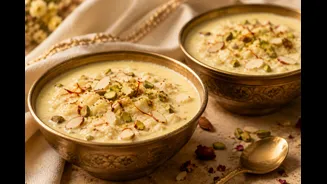
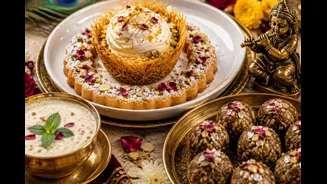
This quick rabri is delightful on its own, served either warm or chilled. As it cools, it will thicken further, so don't reduce it too much on the stove. For an authentic touch, serve it in small earthen pots, or kulhads, which add a lovely earthy aroma. But the true versatility of rabri shines when it’s paired with other desserts. Pour it over hot, crispy jalebis for a classic combination that offers a beautiful contrast of temperatures and textures. It’s also a divine accompaniment to malpua, shahi tukda, or even a simple scoop of vanilla ice cream. Feel free to add a drop of rose water or kewra water at the end for extra fragrance.