






The Number That Explains Everything
As of mid-2026, the Indian market for GLP-1 drugs like semaglutide and tirzepatide has exploded to ₹2215 crore, marking a staggering 235% year-on-year growth. This isn't a niche medical story anymore; it's one of the biggest business stories of the year.
The catalyst for this seismic shift was the patent expiry for semaglutide in March 2026. Within weeks, more than 30 generic versions flooded the market, causing prices to collapse by up to 90%. A medication that once cost upwards of ₹16,000 per month became available for as little as ₹1,300, transforming it from a luxury for the urban affluent into a far more accessible option for millions. This sudden democratisation of access is what turned a health trend into a powerful economic engine that is now dictating consumer behaviour on a massive scale.
How a Drug Rewires the Dinner Plate
To understand the impact on the food industry, you first have to understand what these drugs do. In simple terms, GLP-1 agonists mimic a natural hormone that tells your brain you are full. They slow down how quickly your stomach empties, which prolongs the feeling of satiety after a meal. For users, this translates to a significant reduction in appetite and, perhaps more importantly, a quieting of the constant mental chatter about food often called 'food noise'. Cravings for high-fat, high-sugar, and ultra-processed foods tend to diminish significantly. The result is a fundamental change in a person's relationship with food; they feel full faster, stay full longer, and are naturally inclined to eat less overall, often consuming 700 to 1,000 fewer calories per day.
The New Indian Shopping Basket
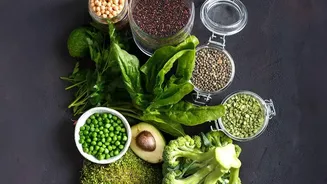
This pharmacological shift is creating a very different-looking grocery basket. As of 2026, spending patterns show a clear move away from traditional indulgences. Categories like snacks, sweets, sugary drinks, and alcohol are seeing declining interest from GLP-1 users. Instead, the focus has shifted to nutrient density. Because users are eating less, every calorie has to count. This has driven a surge in demand for lean proteins like chicken, yogurt, and protein supplements. Fresh fruits and vegetables are also being prioritised. It's a conscious trade-off: users are swapping empty calories for foods that help preserve muscle mass during weight loss and provide essential nutrients in smaller volumes. This isn't just an individual choice; it's a market-wide demand signal that food companies cannot ignore.
Food Giants Scramble to Adapt
The global food industry is in a period of rapid recalibration. In response to this new consumer landscape, major companies are pivoting their strategies. Nestlé, for example, launched a dedicated brand called Vital Pursuit, offering high-protein frozen meals specifically for GLP-1 users. Conagra Brands has added 'GLP-1 Friendly' labels to some of its Healthy Choice meals to capture this growing demographic. The old model of driving growth through larger portions and impulse buys is being challenged. The new playbook focuses on smaller portion sizes, protein fortification, and creating products that offer high nutritional value in a smaller package. Yogurt maker Danone is actively marketing its high-protein brands to this audience, while PepsiCo has acknowledged that while users may still want their snacks, they are consuming them in much smaller quantities. A whole new market for 'GLP-1 diet food' is emerging, projected to be worth over USD 3 billion globally this year alone.
The Next Course: A Reshaped Market
This transformation is not a fleeting diet fad; it is a structural shift in demand. Projections suggest that the Indian GLP-1 market could grow nearly five-fold to ₹5,000 crore by 2030, meaning this consumer base will only become more powerful. The changes in eating habits are also proving to be sticky, with many behaviours persisting even if users cycle off the medication. For the food and beverage industry in India, this presents both a challenge and an enormous opportunity. The companies that thrive will be those that move beyond simply selling calories and instead focus on providing nutrition, satiety, and convenience for a population that is fundamentally rethinking what and how it eats. The drug itself is becoming a commodity; the real value is now in building the ecosystem of food, fitness, and support services around it.