






Why Humidity Is the Enemy of Fresh Food
The single biggest factor that accelerates food spoilage during the monsoon is the increased moisture in the air. High humidity creates the perfect breeding ground for microscopic organisms like mould, yeast, and bacteria. These microbes, which are always
present in the environment, need water to grow and multiply. When the air is saturated with moisture, it settles on food surfaces, providing the damp conditions these organisms need to thrive. This is why food left at room temperature spoils much faster during the rainy season compared to drier months. The warm, damp conditions are particularly ideal for bacteria like Salmonella and E. coli, significantly increasing the risk of foodborne illnesses.
Foods That Are Most at Risk
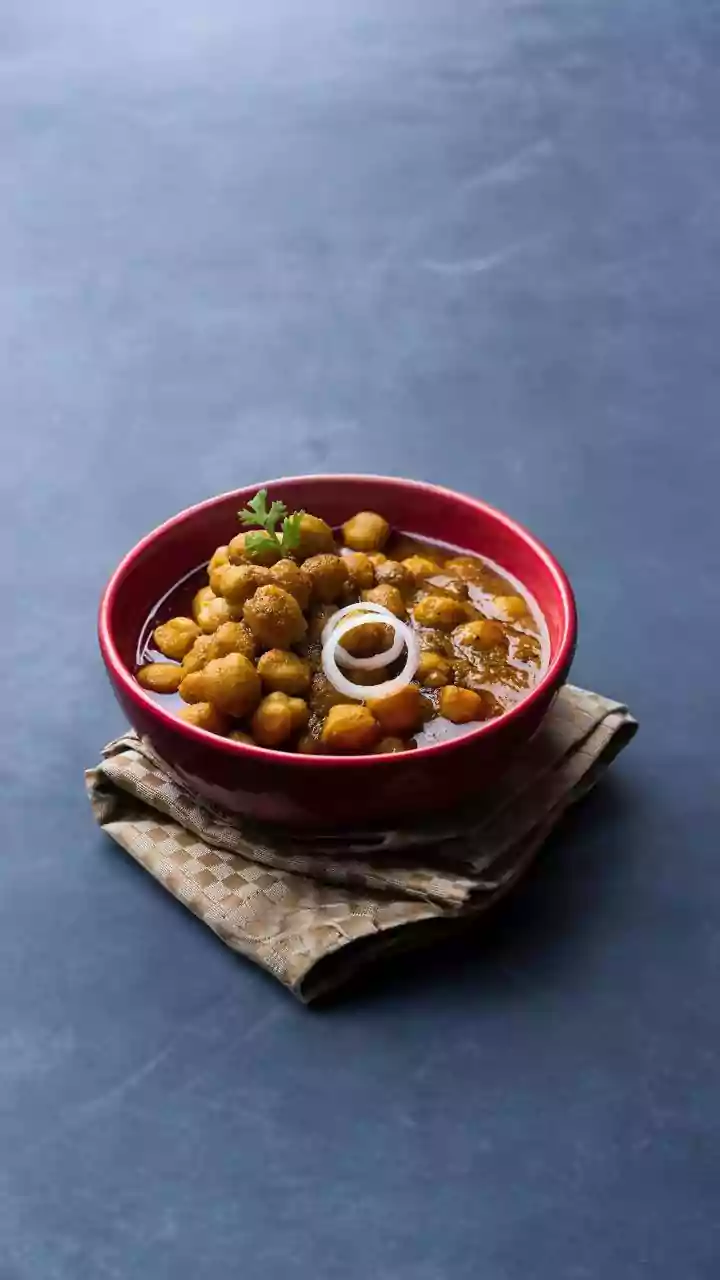
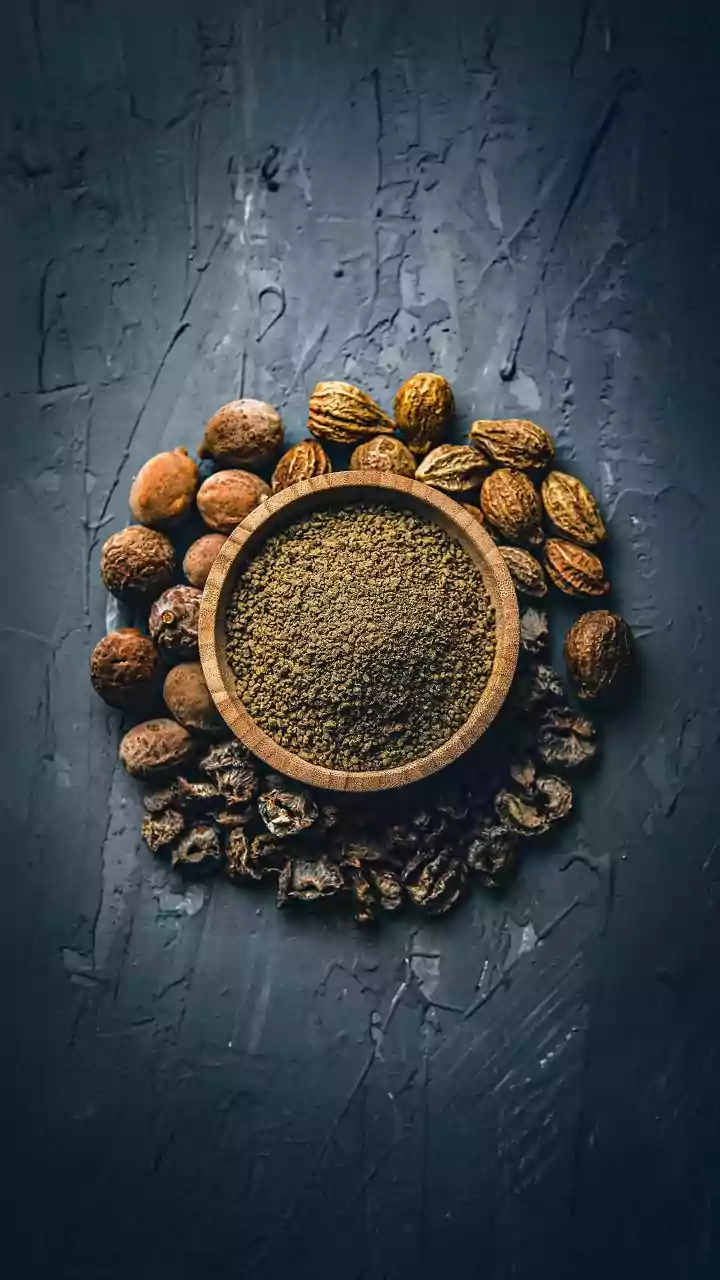
While all foods are affected, some are far more vulnerable to the effects of humidity. Bread and other baked goods are notorious for growing fuzzy green or black spots of mould. Dry goods you might think are safe, such as spices, flours, lentils, and biscuits, can absorb moisture from the air, causing them to become soggy, lose their flavour, and eventually spoil. Fruits and vegetables, especially those that have been cut, are also at high risk because their exposed surfaces are moist and often sugary, inviting bacterial growth. Dairy products like milk, paneer, and yoghurt, along with cooked leftovers like dal and curries, are particularly susceptible and can spoil rapidly even if left out for just a few hours.
Mastering Dry Storage in the Monsoon
Your pantry requires special attention during the rains. The key is to create a barrier between your food and the humid air. Invest in airtight containers made of glass or stainless steel for storing everything from rice and flour to spices and sugar. Plastic containers can also work if they have a strong, secure seal. Before storing, ensure items are completely dry. For spices, you can lightly roast them before putting them in jars to remove any latent moisture and enhance their flavour. For snacks like chips and biscuits, storing them in the refrigerator can help maintain their crispness. Avoid over-stocking your pantry, as this can reduce air circulation and trap moisture.
Strategies for Fruits and Vegetables
Proper storage of produce is crucial. A common mistake is washing vegetables and then storing them while still damp. Instead, wash produce only right before you use it. If you must wash it beforehand, ensure it is thoroughly air-dried. Leafy greens are particularly tricky as moisture gets trapped in their folds, making them a hotspot for microbes. It's safer to wash them, pat them dry, wrap them in newspaper or a cloth bag, and then store them in the fridge. Avoid buying pre-cut fruits and vegetables, as the exposed surfaces are highly vulnerable to contamination. It is always better to buy whole produce and cut it fresh at home right before consumption.
Smart Refrigeration and Kitchen Habits
Your refrigerator is your best friend during the monsoon, but it needs to be used correctly. Never leave perishable items like dairy, meat, seafood, or cooked leftovers at room temperature for more than two hours. Once cooked food has cooled down slightly, transfer it to airtight containers and refrigerate it promptly. Be careful not to overcrowd your fridge, as this restricts airflow and can create pockets of humidity. Finally, one of the simplest yet most effective habits is to ensure any spoon or utensil you dip into a jar of pickles, jam, or spices is completely dry. Even a single drop of water can introduce enough moisture to start the spoilage process.