



The Monsoon's Farewell Gift
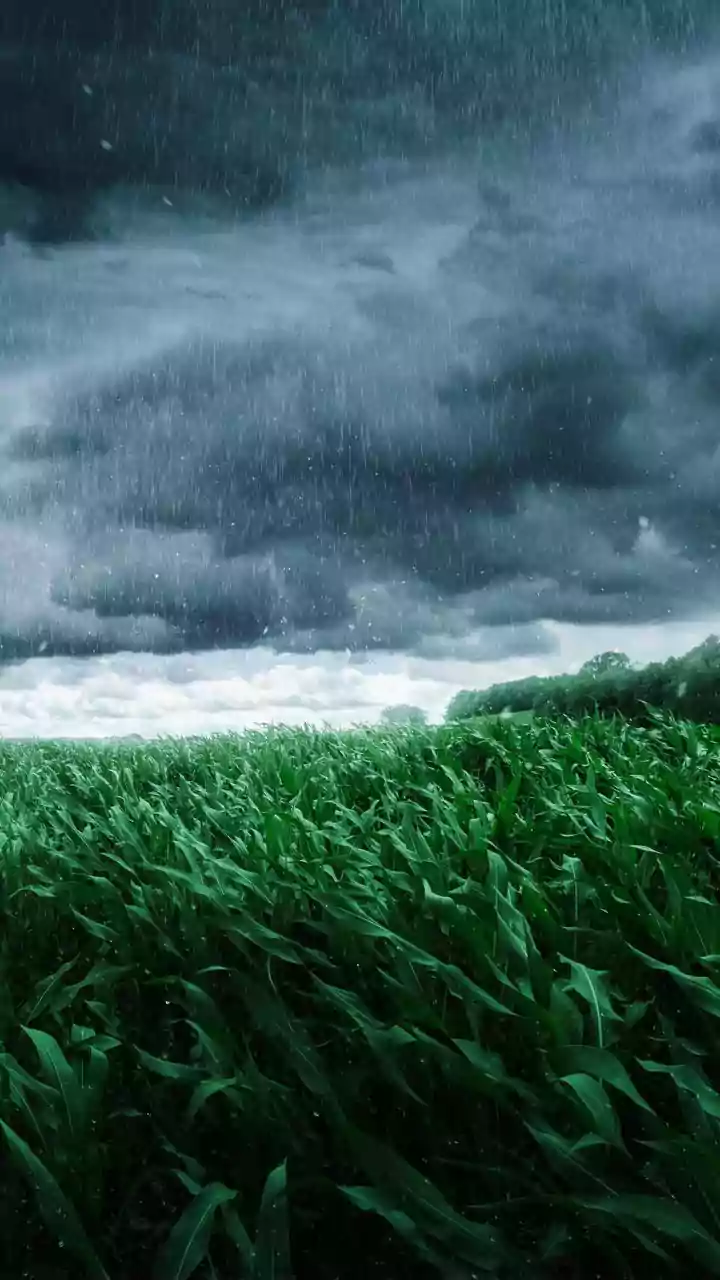
September often feels like a reward after a long monsoon. The rains wash away dust and pollutants, while strong, moist easterly winds help disperse airborne particles, leading to some of the best air quality of the year. Studies show that particulate
matter concentrations, such as PM2.5, can be three to four times lower during the monsoon compared to the post-monsoon season. This period of clear air is a direct result of the weather patterns associated with the monsoon, which actively cleanses the atmosphere. However, this atmospheric reset is temporary, and the very withdrawal of the monsoon sets the stage for the pollution that follows.
The Meteorological Trap
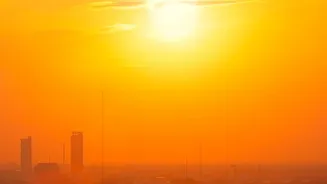
As October begins, the weather undergoes a fundamental shift. The monsoon winds retreat and are replaced by calmer, drier northwesterly winds. Simultaneously, temperatures begin to drop. This cooling creates a phenomenon known as temperature inversion, particularly during the night and early morning. Normally, air is warmer near the ground and gets cooler with altitude, allowing pollutants to rise and scatter. During an inversion, a layer of warmer air sits atop cooler, denser air near the ground, acting like a lid. This traps all the pollutants from local and regional sources in the lower atmosphere, preventing them from dispersing and causing them to accumulate at breathing level.
Fires on the Horizon
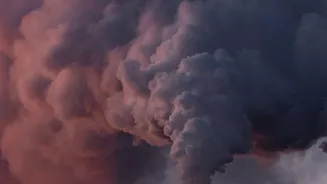
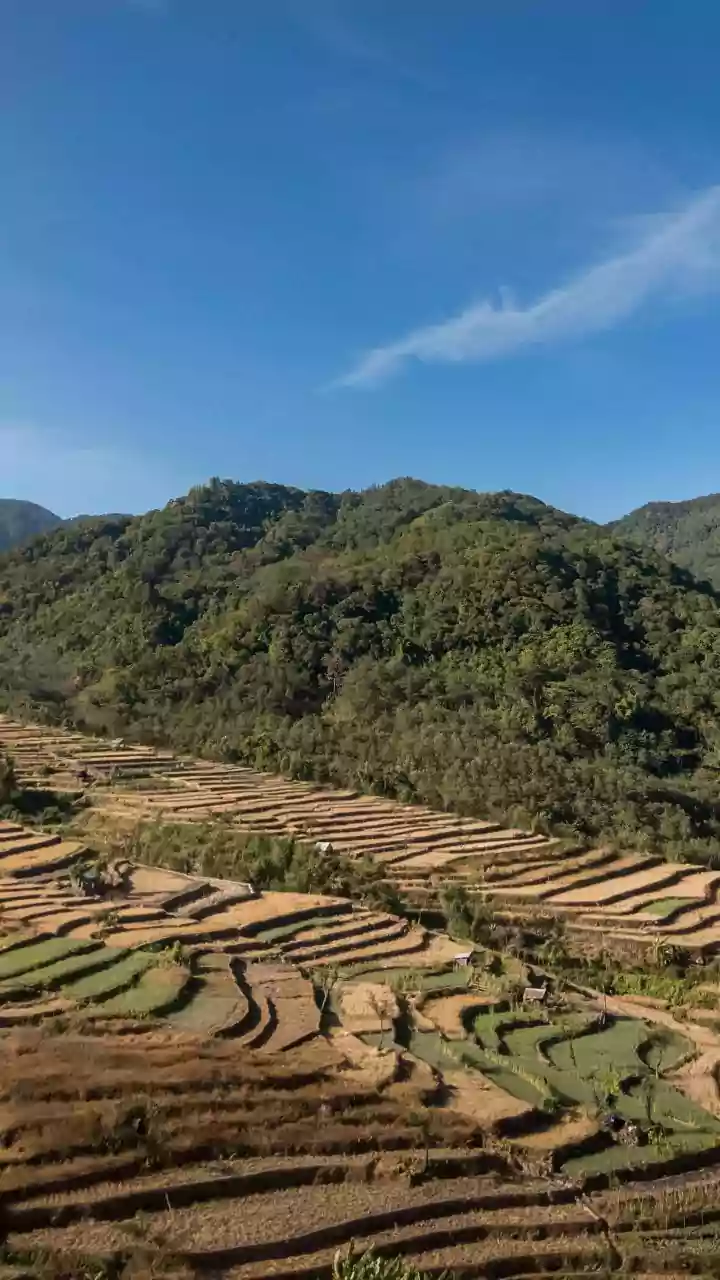
This meteorological trap coincides with a major agricultural event: the post-harvest season for rice in Punjab, Haryana, and western Uttar Pradesh. Farmers are left with a very short window to clear their fields to plant the next crop, wheat. Burning the leftover stubble, or 'parali', is often the quickest and cheapest method. This large-scale crop residue burning releases enormous plumes of smoke containing fine particulate matter (PM2.5), which can contribute significantly to Delhi's pollution, with some studies estimating its contribution can be up to 40-50% on peak days. The prevailing northwesterly winds carry this smoke directly over the Indo-Gangetic Plain, pouring it into the already stagnant air over cities like Delhi.
The Ever-Present Urban Cocktail
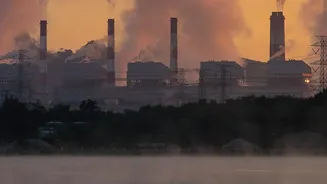
While stubble burning is a major seasonal factor, it adds to a potent 'regional soup' of pollution that exists year-round. Major cities across northern India constantly generate their own emissions from vehicle exhausts, industrial activity, power plants, construction dust, and open waste burning. During other seasons, weather conditions might help disperse this pollution. But in October, the temperature inversion and low wind speeds mean these local pollutants get trapped and concentrated. Upcoming festivities, like Diwali, can also lead to short-term spikes in pollutants from firecrackers, further intensifying the problem.
A Perfect Storm of Pollution
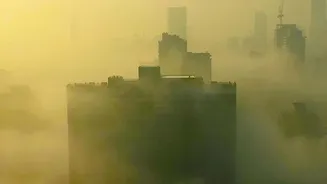
The hazy skies of October are not caused by a single factor but by a perfect storm where nature and human activity collide. The clean air of September is a consequence of the monsoon, but the withdrawal of that same system creates the meteorological conditions—low winds and temperature inversions—that form an atmospheric trap. Into this trap, smoke from large-scale stubble burning is transported by northwesterly winds. This is then added to the ever-present background pollution from traffic, industry, and other urban sources, creating a thick, toxic haze that can linger for weeks. The unique geography of the region, hemmed in by the Himalayas, further prevents this polluted air mass from escaping.