




The Luminous Harvest Moon
The main event this month is the full Harvest Moon on Saturday, September 26. This is the full moon that falls closest to the autumnal equinox (September 22), an event that traditionally gave farmers extra days of dusk-like light to bring in their crops.
A unique feature of the Harvest Moon is that it rises around the same time near sunset for several evenings in a row, bathing the landscape in a beautiful glow. For the best view, look towards the eastern horizon just as the sun sets. The Moon will appear large and take on a stunning yellow-orange hue as it climbs above the horizon. While the exact moment of the full moon is during the day for many, it will appear perfectly full on the nights of both September 26 and 27.
A Parade of Bright Planets
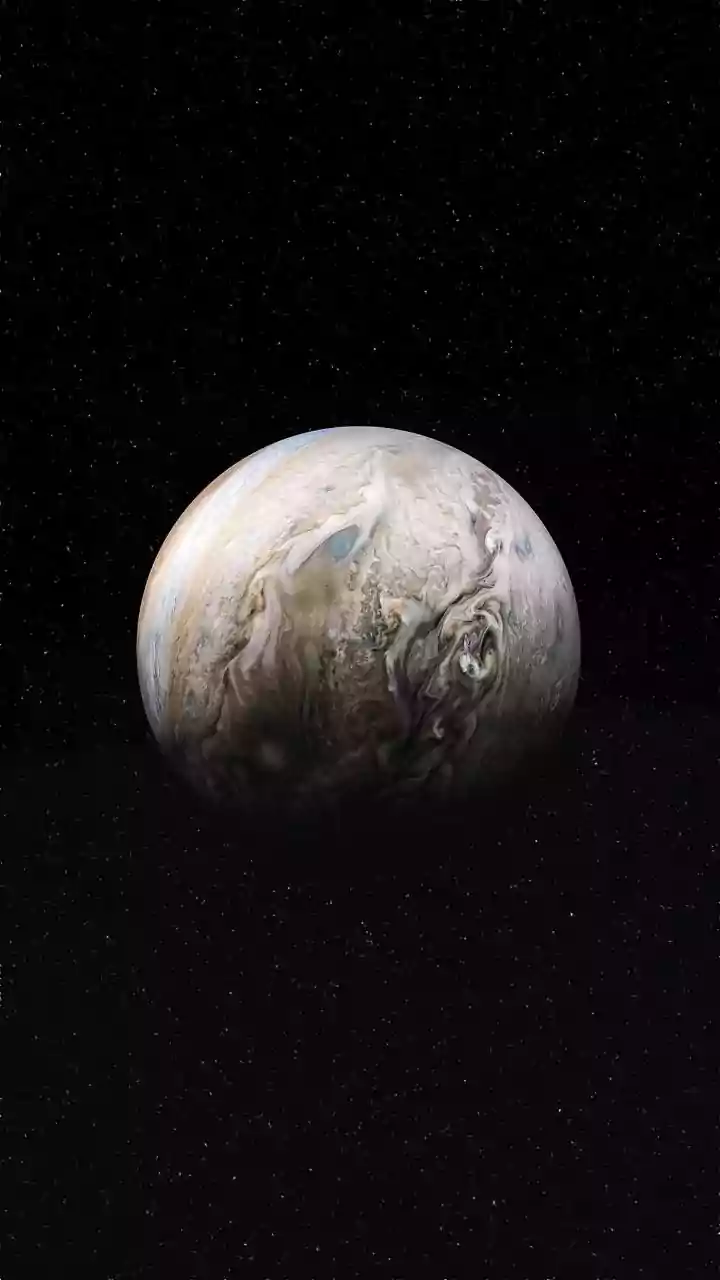
September 2026 is a fantastic month for planet-spotting, with all five naked-eye planets making an appearance at various times. Venus will be a dazzlingly bright beacon in the western sky shortly after sunset all month long, reaching its peak brightness around September 22. Saturn, with its distinct yellowish glow, will rise in the east soon after sunset and remain visible for most of the night. On the evening of September 26, the planet will appear to shine near the full Harvest Moon, making for a beautiful pairing. For early risers, Mars will be visible as a reddish dot in the pre-dawn eastern sky, along with the brilliant white light of Jupiter, which dominates the morning sky.
Catching the Autumn Constellations
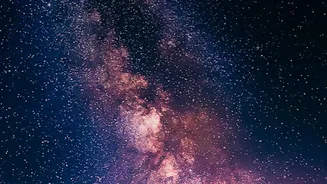
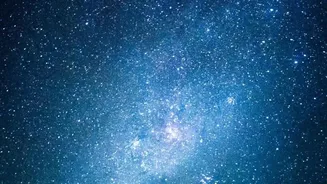
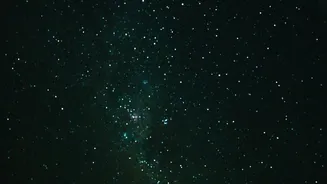
As the Earth’s orientation shifts, a new cast of star patterns emerges. September is the perfect time to get acquainted with the signature constellations of autumn. Look for the Great Square of Pegasus, a large asterism forming the body of the mythical winged horse. It will be climbing higher in the eastern sky as the nights progress. Another easy-to-spot pattern is Cassiopeia, famous for its distinct 'W' or 'M' shape. From a dark location, you can also try to spot the Andromeda Galaxy, our closest spiral galaxy neighbor. It appears as a faint, fuzzy smudge of light between Pegasus and Cassiopeia and is the most distant object you can see with your unaided eye.
The Elusive Zodiacal Light
For those willing to wake up early and find a truly dark location, September offers a chance to see a more subtle phenomenon: the zodiacal light. This is a faint, pyramid-shaped glow that appears in the eastern sky about two hours before sunrise. It’s not a weather event, but rather sunlight reflecting off countless dust particles left over from the formation of our solar system. To see it, you need a clear sky far from city light pollution, with no moonlight to wash it out. The weeks surrounding the equinox are the best times to view this ethereal 'false dawn'.
Tips for the Best Viewing Experience
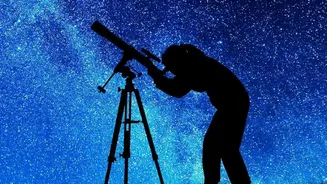
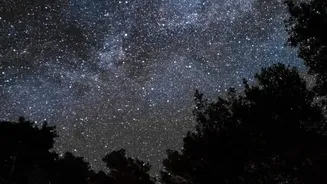
To make the most of these celestial sights, a little preparation goes a long way. The most important step is to get away from bright city lights. Even a short drive to a more rural park or field can make a huge difference. Once you're in a dark spot, give your eyes at least 15-20 minutes to fully adapt to the darkness; this will allow you to see much fainter objects. Avoid looking at your phone screen, as its bright light will ruin your night vision. If you need help finding constellations, consider using a stargazing app with a red-light mode to preserve your dark adaptation. Finally, dress warmly. The nights are getting cooler, and being comfortable will allow you to relax and enjoy the show above.