

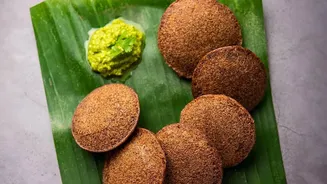

What Exactly is Ragi?
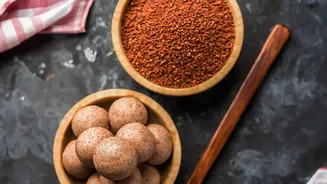
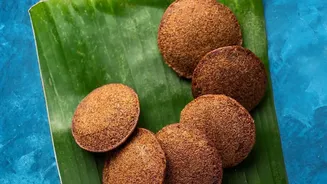
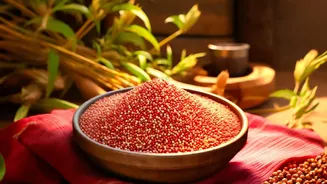
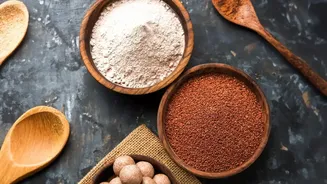
Ragi, also known as finger millet or nachni, is an ancient grain that has been a cornerstone of diets in India and Africa for centuries. This tiny, reddish-brown grain is a nutritional powerhouse, celebrated for its resilience and ability to thrive in dry,
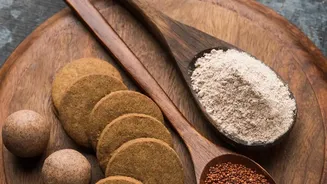
hot climates. Traditionally used to make everything from flatbreads like roti and bhakri to savory porridge and dosa, ragi is now being rediscovered by a new generation. It is naturally gluten-free, making it an excellent choice for individuals with gluten sensitivity or celiac disease. Its recent surge in popularity is due to a growing awareness of its impressive health benefits and its versatility in the kitchen.
The Nutritional Powerhouse
Ragi's reputation as a superfood is well-earned. Its most notable feature is its exceptionally high calcium content, boasting nearly ten times more than wheat, which is crucial for bone health. It's also a rich source of dietary fibre, which aids in digestion and helps you feel full for longer, making it beneficial for weight management. Furthermore, ragi is packed with iron, essential amino acids, and antioxidants. It has a low glycemic index, meaning it releases sugar into the bloodstream slowly, which can help in managing blood sugar levels, making it a favorable choice for people with diabetes.
Why Use Ragi in a Dessert?
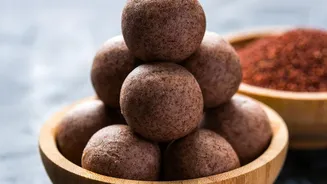
The idea of a millet-based dessert might seem unusual, but ragi's unique properties make it a fantastic ingredient for sweets. Its natural flavour is earthy and nutty, with slightly malty undertones that pair beautifully with rich ingredients like chocolate, jaggery, nuts, and fruits like bananas. Using ragi flour can give baked goods a wonderfully dense, moist, and fudgy texture. By swapping out a portion of refined all-purpose flour for ragi, you can create desserts that are not only delicious but also significantly more nutritious. It's a simple way to indulge your sweet tooth without the guilt, adding fibre, calcium, and iron to what is normally just an empty-calorie treat.
Recipe: Decadent Ragi Chocolate Cake
This simple, eggless recipe is the perfect introduction to baking with ragi. It combines the earthy notes of the millet with rich cocoa, creating a moist and satisfying cake. Ingredients: - ¾ cup Ragi Flour - ¾ cup Whole Wheat Flour - ¼ cup Unsweetened Cocoa Powder - ½ cup Jaggery Powder or Sugar - 1 ½ tsp Baking Powder - ½ tsp Baking Soda - ½ cup Melted Butter or Oil - 1 ¾ cup Milk, at room temperature - 1 tsp Vanilla Essence - A pinch of Salt Instructions: 1. Preheat your oven to 180°C. Grease and line a 7-inch cake pan. 2. In a large bowl, sieve together the dry ingredients: ragi flour, whole wheat flour, cocoa powder, baking powder, baking soda, and salt. Add the jaggery powder and mix well. 3. In a separate bowl, whisk the wet ingredients: milk, melted butter (or oil), and vanilla essence. 4. Pour the wet ingredients into the dry ingredient bowl. Whisk gently until just combined, ensuring there are no lumps. Be careful not to over-mix the batter. 5. Pour the batter into the prepared cake pan and tap it gently to release any air bubbles. 6. Bake for 30-35 minutes, or until a toothpick inserted into the centre comes out clean. 7. Let the cake cool in the pan for 10 minutes before transferring it to a wire rack to cool completely. Serve plain or with a simple chocolate ganache.
Tips for Success
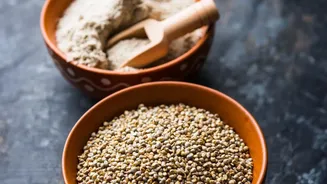
Baking with ragi is slightly different from using regular flour. Ragi flour is denser and absorbs more liquid, so it's important to ensure your batter is at the right consistency—thick but still pourable. Since it is gluten-free, it is often mixed with whole wheat flour in baked goods to provide structure. Always sieve ragi flour to aerate it and remove any clumps, which results in a lighter final product. Don't be afraid to experiment by pairing it with strong flavours like coffee, cardamom, or nuts to complement its earthy taste.