






More Than Just Floating Food
The most obvious challenge of eating in space is microgravity. Without gravity, crumbs from a simple piece of bread don't fall to the floor; they float, threatening to clog air vents or get in an astronaut's eyes. This is why astronauts use tortillas
instead of bread and why salt and pepper are suspended in liquid. But the problems go deeper. With no gravity to pull bodily fluids down, astronauts experience a constant stuffy-headed feeling, similar to having a cold, which dulls their sense of smell and taste. As a result, food can seem bland, making spicier and more flavourful meals a crew favourite.
A Culinary Mission with an Indian Touch
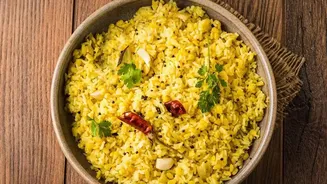
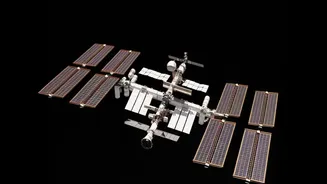
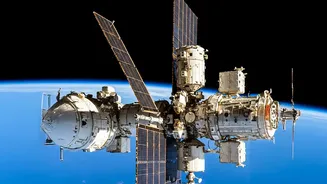
The Axiom-4 mission, a private flight to the International Space Station (ISS), has made food a central part of its research. The international crew, which includes Indian astronaut Shubhanshu Shukla, is conducting a suite of experiments designed to improve space nutrition. For India, this includes testing how nutrient-rich staples like moong (green gram) and methi (fenugreek) sprout and grow in microgravity. The crew is also studying microalgae like Spirulina, a 'superfood' that efficiently produces protein and oxygen while absorbing carbon dioxide, making it a prime candidate for future self-sustaining life support systems. Shukla is also sharing specially prepared Indian dishes, like moong dal halwa and carrot halwa, developed by the Defence Food Research Laboratory (DFRL) to be nutritious, non-spicy, and safe for microgravity.
The Psychology of the Plate
Long missions in isolated, confined environments like the ISS can take a psychological toll. Food plays a surprisingly crucial role in maintaining morale and well-being. Astronauts often experience 'menu fatigue'—boredom from a repetitive diet of pre-packaged, shelf-stable foods. This can lead to a reduced appetite, weight loss, and a dip in performance. Having access to varied, flavourful, and culturally familiar foods provides comfort and a connection to home. The Ax-4 crew's diverse menu, featuring everything from Polish pierogi to Hungarian 'space chocolate,' is a deliberate effort to combat this fatigue and study how a better dining experience improves crew cohesion and mental health.
Nutrition Under Fire
An astronaut's body is under constant stress from microgravity and radiation. Without the load-bearing effects of gravity, muscles atrophy and bone density decreases. To counteract this, astronauts require a carefully calibrated diet, often with higher protein intake than on Earth. However, getting that nutrition right is a challenge. Nutrients in pre-packaged food degrade over time, a significant problem for a Mars mission that could last up to three years. A key goal for missions like Ax-4 is to figure out how to provide a complete nutritional profile using foods that can be stored for five years or longer, or ideally, grown fresh in space. Experiments with sprouting seeds and growing microalgae are the first steps toward creating a sustainable, 'pick-and-eat' food system for deep space exploration.