




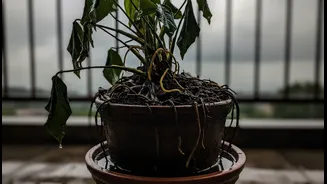


Understanding the Enemy: What Is Root Rot?
Root rot is exactly what it sounds like: the decay of a plant's roots. It’s not a single disease, but a condition caused by fungi and bacteria, like Pythium and Phytophthora, that thrive in overly wet, oxygen-deprived soil. Healthy roots need oxygen to function,
but when soil is waterlogged, air pockets disappear. This effectively suffocates the roots, weakening them and creating the perfect environment for these harmful pathogens to attack and cause decay. Once the roots begin to rot, they can no longer absorb the water and nutrients the plant needs to survive.
The Saucer of Death: Stagnant Water
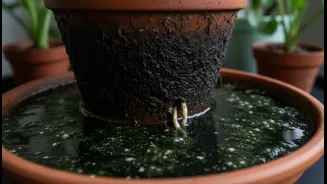
That little dish under your pot is meant to protect your furniture, not to become a permanent swimming pool for your plant. When a pot sits in a saucer full of water, the soil at the bottom remains saturated. This constant wetness is a direct invitation to root rot. Even with drainage holes, letting a pot sit in standing water negates their purpose. Experts advise emptying any excess water from the saucer about 30 minutes after watering. If the plant hasn't absorbed the water by then, it's a sign it has had enough, and the standing water will only cause harm.
No Way Out: The Danger of Blocked Holes
Every functional plant pot needs drainage holes—this is non-negotiable for most plants. These holes are the primary escape route for excess water, ensuring the soil doesn't become a swamp. Without them, water pools at the bottom, leading directly to waterlogging and root suffocation. Even pots with holes can be a problem if the drainage is blocked. Soil can become compacted over time, or a single large hole can get plugged. To ensure good drainage, always use pots with at least one hole and a well-draining potting mix. If you fall in love with a decorative pot that has no holes, use it as a cachepot: keep your plant in a plain plastic pot with drainage, and place that inside the decorative one.
The 'Kindness' Killer: Permanently Damp Soil
Overwatering is the number one cause of root rot. It's an easy mistake to make, born from a desire to care for our plants. However, most plants do not like to have their roots constantly wet. Watering on a strict schedule without checking the soil is a common pitfall. The best practice is to check the soil moisture before watering. A simple method is the finger test: stick your finger about one to two inches into the soil. If it feels damp, wait a few more days before watering. If it's dry, it's time to give your plant a drink. Consistently damp soil not only suffocates roots but also attracts pests like fungus gnats, which can spread the fungal spores that cause rot.
Spotting the Signs Before It's Too Late
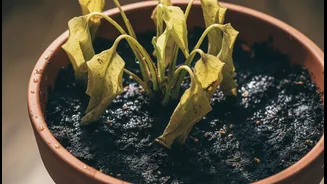
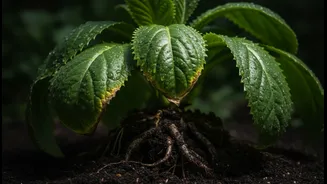
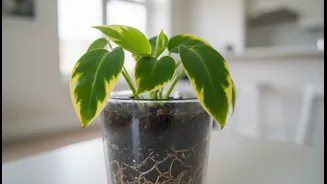
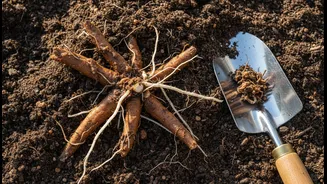
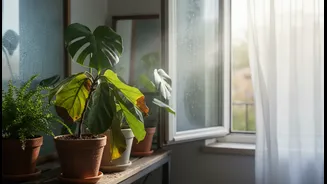
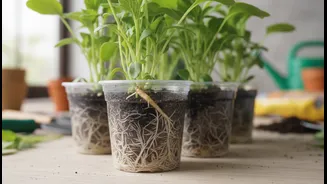
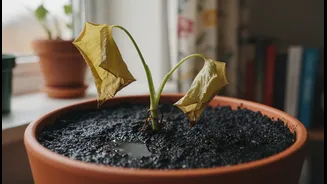
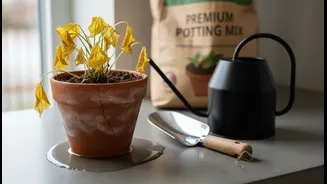
Root rot starts below the surface, but the signs eventually appear above ground. One of the most confusing symptoms is wilting. The plant looks thirsty even when the soil is wet because the decaying roots can no longer absorb water. Other key signs include yellowing lower leaves, stunted or slow growth, and soft, mushy stems. If you suspect rot, the definitive test is to check the roots. Gently remove the plant from its pot. Healthy roots are typically firm and white or tan. Rotted roots will be dark brown or black, feel mushy or slimy to the touch, and may have a foul, swampy smell.
The Emergency Rescue Mission
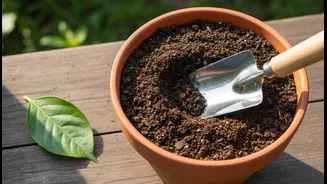
If you've confirmed root rot, you must act fast to have any chance of saving the plant. First, carefully remove the plant from its pot and gently wash away all the old soil from the roots. Using clean, sharp scissors, trim away all the dark, mushy, and smelly roots. Be ruthless—only firm, healthy-looking root tissue should remain. If you have to remove a significant portion of the roots, it's also a good idea to prune back about a third of the plant's leaves. This reduces the stress on the remaining roots, as they have less foliage to support. Finally, repot the plant in a clean pot with fresh, well-draining potting mix. Do not reuse the old soil, as it contains the harmful pathogens.