


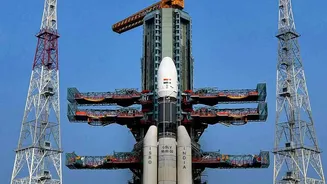
A Week of Wonders at the Spaceport
World Space Week, observed annually from October 4 to 10, commemorates two key events in space history: the launch of the first artificial satellite, Sputnik 1, in 1957, and the signing of the Outer Space Treaty in 1967. This year, ISRO centres across
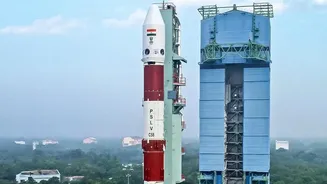
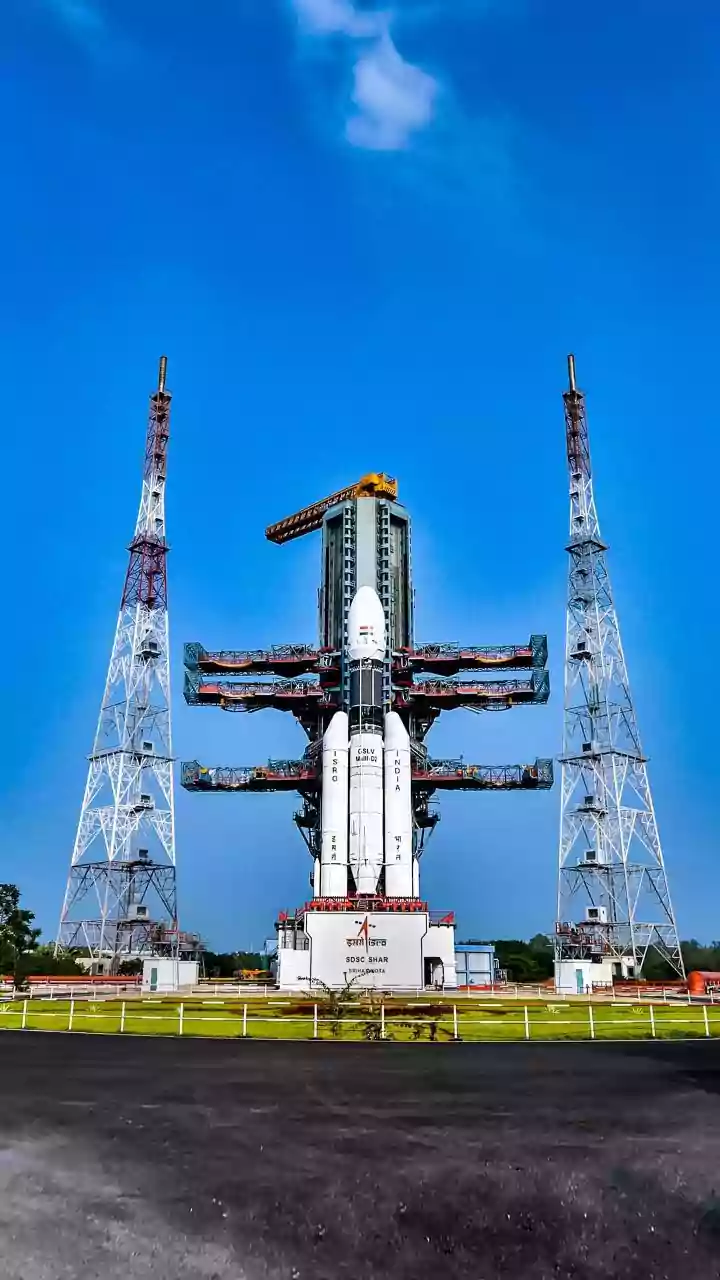
the country, including Sriharikota, are organising a wide range of public outreach programs. These events feature exhibitions, lectures for students by ISRO scientists, and interactive workshops designed to ignite public curiosity, especially among the youth, about India's achievements and future in space. The celebration at the nation's main launch site provides a fitting backdrop to explore this year's forward-looking theme.
What Is the 'Rocket Revolution'?
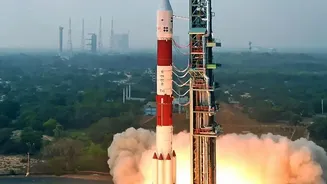
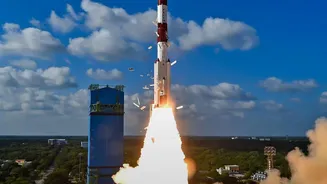
The 2026 theme, 'Rocket Revolution', focuses on the dramatic transformation happening in launch technology globally and in India. For decades, space access was the exclusive domain of a few government agencies, involving incredibly expensive, single-use rockets. The revolution is about a fundamental shift towards more affordable and frequent access to space. This change is driven by several key innovations: the development of reusable launch vehicles, advancements in manufacturing like 3D printing, new propulsion systems, and the rise of private companies building their own rockets. This new landscape is making it easier for startups, universities, and more nations to participate in space activities, heralding a more diverse and dynamic era of exploration and commerce.
The Private Sector Takes Flight
India's own rocket revolution is strongly powered by its burgeoning private space industry. Since the sector was opened to private participation in 2020, the country has seen a massive jump in space startups, from just one in 2014 to over 400 today. Companies like Skyroot Aerospace and Agnikul Cosmos are at the forefront, developing their own launch vehicles. Skyroot's Vikram-1, for instance, is India's first privately developed orbital rocket. This growth has been actively fostered by government policy, including the Indian Space Policy 2023 and the establishment of IN-SPACe, a single-window agency to promote and authorise private space activities. With significant private investment and government support, these companies are becoming crucial partners in India's quest to increase its share of the global space economy.
ISRO's Next-Generation Ambitions
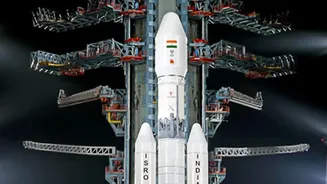
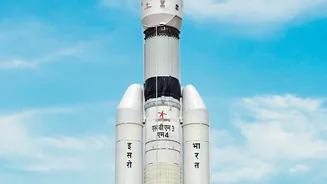
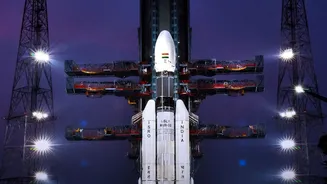
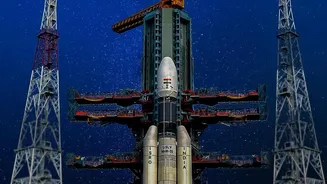
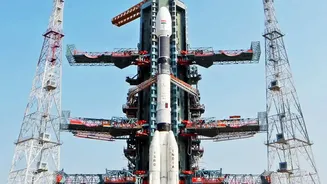
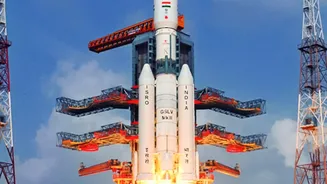
Even as it enables the private sector, the Indian Space Research Organisation (ISRO) is making its own giant leaps in the rocket revolution. The agency is formally developing a Next Generation Launch Vehicle (NGLV), a future heavy-lifter designed to be partially reusable and more cost-effective. This powerful rocket is envisioned as the backbone for India's future deep-space missions, the planned Bharatiya Antariksh Station, and human spaceflight expansions. With a target payload capacity far exceeding current rockets like the LVM3, the NGLV represents a major step-up in capability. It incorporates advanced semi-cryogenic engines and a modular design, positioning ISRO to remain a globally competitive launch provider for decades to come.
Why It Matters for India
The rocket revolution celebrated during World Space Week is more than just about technology; it's about national ambition. The goal is to grow India's space economy from its current valuation of around $8 billion to over $40 billion by 2030. A robust and accessible launch capability, driven by both ISRO and private players, is the foundation for this growth. It enables everything from deploying large satellite constellations for communication and Earth observation to executing complex scientific missions like Chandrayaan-4, a planned lunar sample return mission. By fostering a vibrant ecosystem of innovation, India aims not just to launch rockets, but to launch a new phase of economic and scientific progress powered from orbit.