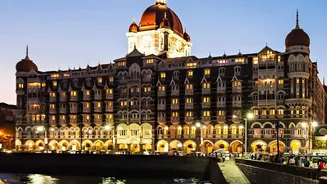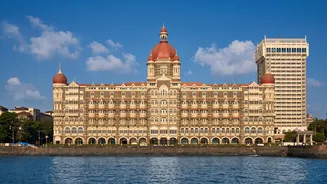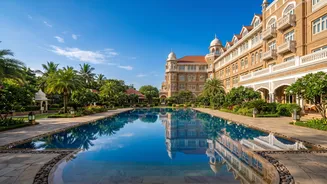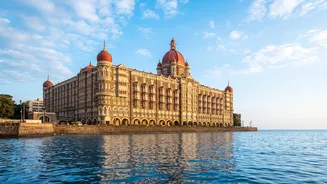



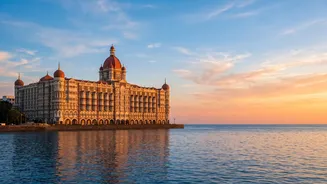
A Visionary's Dream Realised
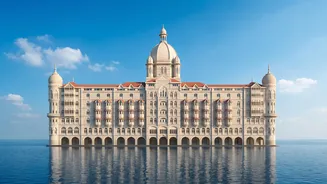
Opened in 1903, the Taj Mahal Palace was the brainchild of Jamsetji N. Tata, the founder of the Tata Group. His vision was not merely to build a hotel but to give Bombay (now Mumbai) a grand landmark that would rival the finest in the world and enhance
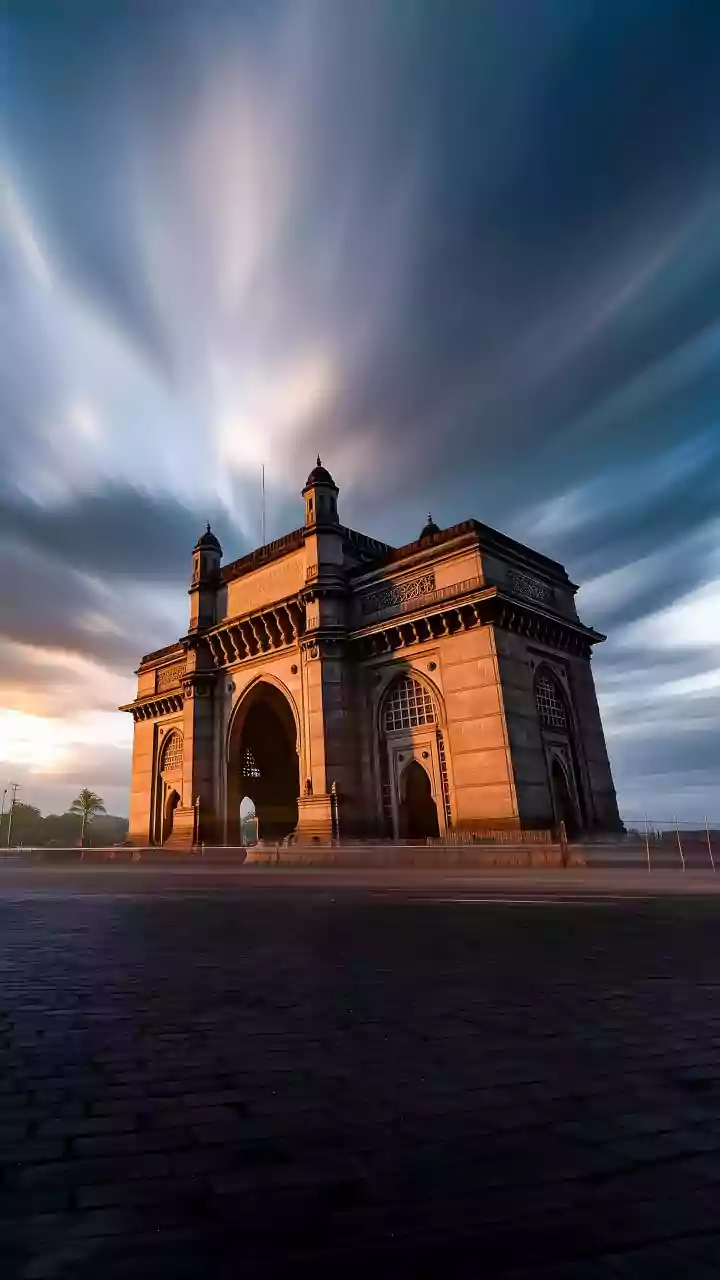
its reputation. The story, perhaps apocryphal but enduring, is that Tata was inspired to build the hotel after being denied entry to the European-only Watson's Hotel. True or not, he created a space that was revolutionary for its time—India's first luxury hotel with electricity, German elevators, Turkish baths, and a mission to welcome all guests, regardless of race. It even predates the famous Gateway of India by over two decades, making it the original sentinel of Mumbai's harbour.
The Soul of 'Tajness'
What truly distinguishes the Taj is its philosophy of hospitality, often referred to as 'Tajness'. This concept is built on a foundation of genuine warmth, mutual respect, and a culture of sincere care that extends to guests and employees alike. It's an ethos rooted in India's long tradition of hospitality, blended with modern luxury to create a consistently personalised and memorable experience. From the moment guests are greeted until their departure, the service aims to be intuitive and deeply personal. This dedication to service excellence, which includes everything from butler services in the Heritage Wing to meticulously trained concierges, is a key reason for its enduring global appeal and loyal clientele.
An Architectural and Cultural Icon
The hotel itself is a masterpiece of design, a stunning amalgam of Indo-Saracenic, Moorish, and Florentine styles. Its magnificent central dome, built with the same type of steel as the Eiffel Tower, has served as a navigational point for ships in the Indian Navy. Inside, its corridors and suites house a priceless collection of Indian art, Belgian chandeliers, and hand-knotted carpets, making it a living museum. In 2017, the hotel's distinctive facade became the first building in India to acquire an image trademark, officially protecting its unique architectural design. Beyond its physical beauty, the hotel has been an integral part of Mumbai's history, hosting freedom fighters during the independence struggle and serving as the backdrop for countless significant events.
A Singular Achievement on the World Stage
While the Taj Mahal Palace's ascent in the rankings is a moment of national pride, it's notable that it stands as the sole Indian property in the top 50 this year. This doesn't diminish the quality of other excellent hotels across the country, several of which have appeared on extended lists and other global rankings. Rather, it highlights the Taj's unique and formidable global brand recognition, built over 120 years. Its singular history, its role as a symbol of resilience (particularly after the 2008 attacks), and its deep integration into the cultural fabric of Mumbai give it a narrative that few hotels in the world can match. It is not just a place to stay; it is a destination in itself, an icon whose story resonates far beyond India's borders.