





Why Green Chutney Spoils So Quickly
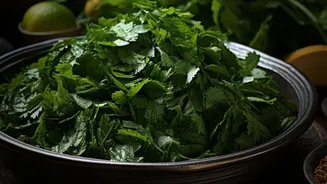
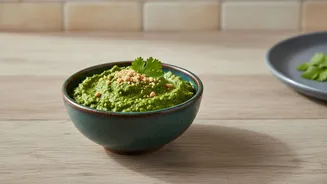
The tragic, short life of homemade green chutney comes down to two main culprits: oxidation and microbial growth. Oxidation is a chemical reaction that occurs when the fresh herbs, like coriander and mint, are exposed to air. This exposure causes the chutney to lose
its bright green colour, turning it into a dull, unappetizing brown or black. The second issue is contamination. Microorganisms like bacteria and mould thrive in moist environments. Every time a wet or previously used spoon is dipped into the jar, it introduces moisture and microbes, creating the perfect breeding ground for spoilage. These tiny invaders break down the ingredients, leading to off-flavours, foul smells, and eventually, a chutney that is unsafe to eat. Understanding these two processes is the first step toward making your chutney last much longer.
The Golden Rule: A Clean, Dry Spoon
This brings us to the headline's simple but powerful advice. Using a clean, dry spoon every single time you serve your chutney is non-negotiable for extending its shelf life. A 'clean' spoon is free from any food residue that could introduce foreign bacteria. A 'dry' spoon is crucial because it prevents adding extra water to the chutney, which would accelerate bacterial and mould growth. It’s also vital to avoid double-dipping—scooping chutney, putting the spoon on your plate, and then dipping it back in for more. This act of cross-contamination introduces saliva and microscopic food particles, which are a feast for spoilage organisms. Making it a household rule to only use a fresh, dry utensil for the chutney jar can single-handedly add days, if not a full week, to its lifespan in the refrigerator.
Preservation Starts During Preparation
Long-lasting chutney begins before it even goes into the blender. Adding acidic ingredients is a classic preservation technique. A generous squeeze of lemon juice or a dash of vinegar not only adds a pleasant tang but also lowers the chutney's pH, creating an acidic environment where bacteria struggle to survive. This acidity also helps slow down the process of oxidation, keeping the colour vibrant for longer. Some cooks also suggest blanching the herbs by dipping them in boiling water for 10-15 seconds and then immediately plunging them into ice-cold water. This deactivates the enzymes responsible for browning. Another trick is to add a small amount of oil, like olive oil, which acts as a natural barrier against oxidation. Finally, using ice cubes or chilled water instead of room-temperature water while blending can help keep the mixture cool, preventing the heat from the blender blades from dulling the colour of the herbs.
Smart Storage Is Everything
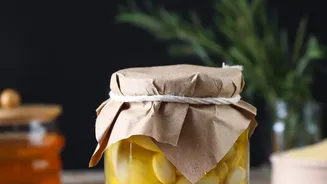
Once your chutney is made, how you store it is critical. The best choice is an airtight glass jar. Glass is non-reactive, meaning it won't interact with the acids in the chutney or absorb odours from other foods in your fridge. Plastic containers, on the other hand, can sometimes leach flavours or become stained. An airtight seal is paramount because it minimises the chutney's contact with oxygen, which, as we know, is the enemy of its colour and freshness. When filling the jar, press the chutney down to remove any air pockets and consider adding a thin layer of oil on top. This creates an extra physical barrier against the air, further protecting it from oxidation. Always store the jar in the coldest part of your refrigerator, not on the door where temperatures fluctuate.
For a Longer Lifespan: The Freezer Is Your Friend
If you’ve made a large batch and know you won’t finish it within a week, the freezer is the ultimate preservation tool. The best method is to pour the fresh chutney into an ice cube tray and freeze it. Once the cubes are solid, you can transfer them to a zip-lock freezer bag, squeezing out all the air before sealing. This method allows you to store the chutney for several months. When you need some, simply take out a cube or two and let it thaw on the counter or in the fridge. This 'chutney-on-demand' system not only prevents waste but also ensures you always have a fresh-tasting condiment ready for your samosas, sandwiches, or chaat.