




The Founders' Vision
The story of Skyroot begins not in a boardroom, but within the halls of the Indian Space Research Organisation (ISRO). In 2018, two former ISRO scientists, Pawan Kumar Chandana and Naga Bharath Daka, decided to embark on a new mission. Chandana, an alumnus
of IIT Kharagpur who had worked on India's heaviest rocket, the GSLV Mk-III, and Daka, an IIT Madras graduate specialising in avionics, saw a future where space was accessible to all. They envisioned making satellite launches as common and straightforward as booking a flight. Leaving behind their stable careers at India's premier space agency, they founded Skyroot Aerospace in Hyderabad with the ambitious goal of building rockets for the world's burgeoning small satellite market.
From a Seed of an Idea to a Rocket Factory
The initial funding, a seed amount of around $1.5 million (approximately ₹10-12 crore at the time), was crucial in getting the dream off the ground. It was a testament to the founders' vision and the growing belief in India's potential to compete in the global space economy. This was before the landmark 2020 government reforms that officially opened the space sector to private enterprise, making Skyroot a true pioneer. Over the next few years, the company steadily attracted more investment, culminating in a Series B funding round of $51 million in 2022 and becoming India's first space-tech unicorn in 2026 with a valuation of $1.1 billion. This financial backing allowed Skyroot to grow from a small team to a force of over 1,000 employees and establish a state-of-the-art manufacturing campus in Hyderabad capable of producing one orbital rocket per month.
Prarambh: A Historic Beginning
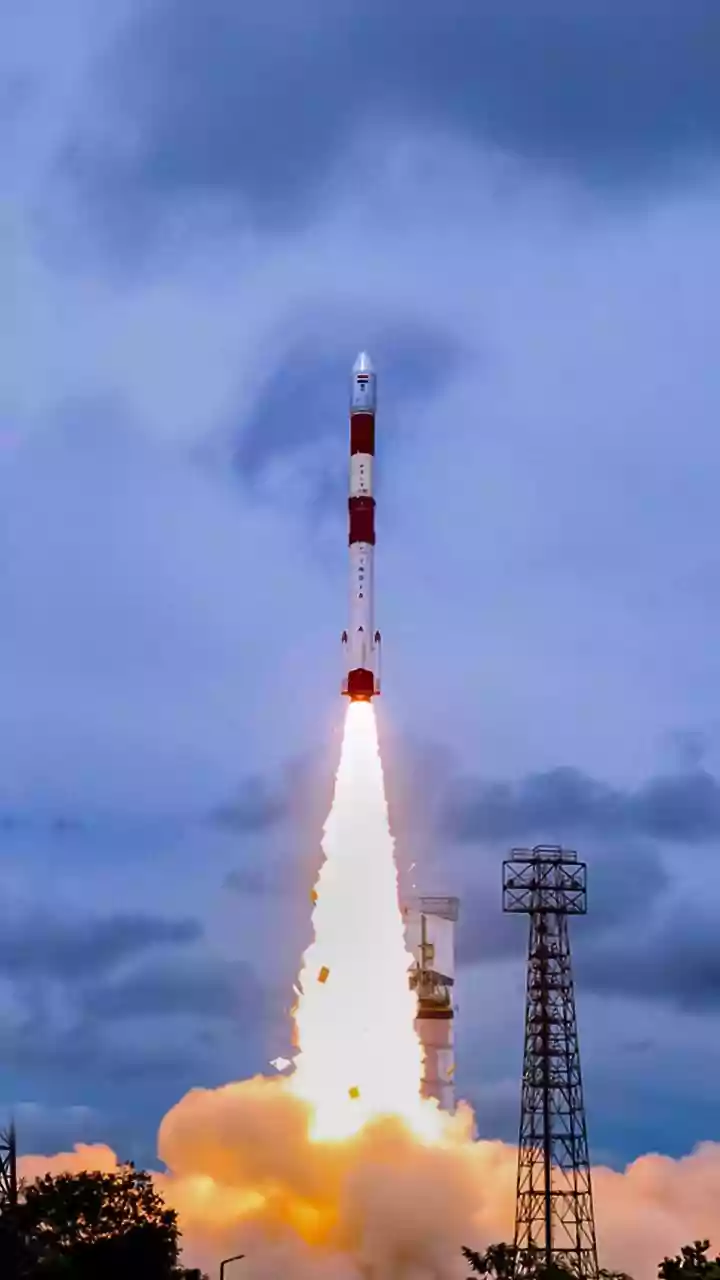
Before aiming for orbit, Skyroot had to prove its technology. That moment came on November 18, 2022, with a mission aptly named 'Prarambh', which means 'beginning'. On that day, Skyroot successfully launched Vikram-S, India's first-ever privately developed rocket. It was a suborbital launch, meaning the rocket reached the edge of space—an altitude of 89.5 km—before coming back down, rather than entering a stable orbit around Earth. While not an orbital mission, Prarambh was a monumental success. It demonstrated the viability of Skyroot's technology, including its advanced composite materials and 3D-printed components, and marked the official entry of India's private sector into the launch business. The mission was authorized by IN-SPACe, the newly formed government body created to facilitate private space activities, showcasing a new era of collaboration.
The Leap to Orbit with Vikram-1
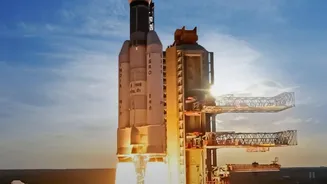
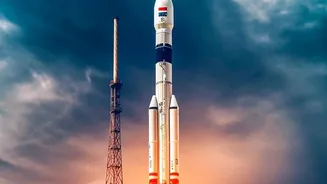
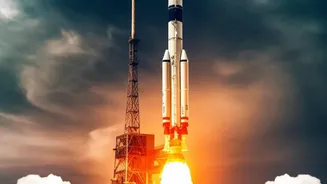
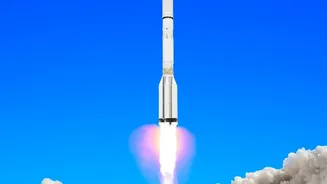
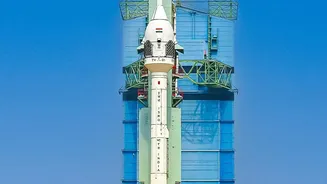
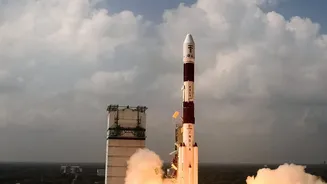
The successful suborbital flight was the stepping stone to a much larger goal: a full orbital launch. The company achieved this milestone on July 18, 2026, with the maiden flight of its Vikram-1 rocket. Named after Dr. Vikram Sarabhai, the father of India's space program, Vikram-1 is an orbital-class vehicle designed to carry satellites weighing up to 350 kg into low Earth orbit. The rocket's 'Aagaman' (Arrival) mission successfully lifted off from Sriharikota and deployed its payloads, making India only the third country, after the US and China, to have a private company with orbital launch capability. This achievement was powered by innovative technology, including an all-carbon composite body and the Raman-1 engine, India's first fully 3D-printed orbital engine, which drastically reduces manufacturing time.
Powering India's Space Economy
Skyroot's success is more than just a corporate milestone; it is a catalyst for India's entire economy. The global space market is projected to be worth over a trillion dollars in the coming years, and India aims to significantly increase its share. Private companies like Skyroot are crucial to this ambition, strengthening the 'Atmanirbhar Bharat' mission in space. They complement ISRO's focus on R&D and deep space exploration by handling commercial launches, making India a competitive, low-cost hub for launching small satellites. With over 400 space startups now active in the country, up from just a handful a few years ago, a vibrant ecosystem is emerging, driving innovation, creating high-skilled jobs, and positioning India as a formidable player on the world stage.