





A Renewed Push for Plastic
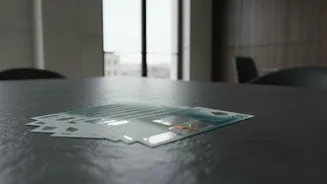
The government has approved the Reserve Bank of India's proposal to conduct a large-scale field trial of polymer banknotes. Specifically, the trial will involve one billion pieces each of Rs 10 and Rs 20 notes. This move, confirmed in Parliament, signals
a serious step towards potentially integrating plastic currency into the Indian economy. However, officials have clarified that this is not an outright replacement; the plan is for polymer notes to circulate alongside existing paper currency. The trial's success will determine if polymer notes are issued more widely across other denominations. This isn't India's first attempt; a similar plan for Rs 10 notes was considered around 2009 but was ultimately shelved due to technical issues.
The Case for Polymer Notes
The primary motivation behind the switch is durability. Polymer banknotes, made from a flexible synthetic substrate, are significantly more resilient than their cotton-paper counterparts. They are resistant to water, dirt, and tearing, giving them a much longer lifespan — international studies suggest they can last two to five times longer. This increased longevity means the RBI would need to print replacement notes less frequently, which could lead to lower long-term costs related to printing, transportation, and destruction of old notes. Proponents also point to cleanliness, as the non-porous plastic surface absorbs less moisture and grime, making the notes more hygienic.
A Frontline Defense Against Fakes
Beyond durability, enhanced security is a major selling point for polymer currency. Plastic notes allow for the integration of advanced anti-counterfeiting features that are difficult to replicate on paper. These can include transparent windows, complex holographic elements, color-shifting inks, and micro-printing. With counterfeit currency a persistent threat to economic stability, the ability to make notes significantly harder to forge is a compelling argument for central banks worldwide. Over 60 countries, including Australia, Canada, and the United Kingdom, have already adopted polymer banknotes, citing improved security as a key benefit.
The Hurdles and Headaches
Despite the advantages, the transition to polymer is not without challenges. The initial production cost of polymer notes is higher than for paper notes. While the RBI hopes this will be offset by a longer lifespan, it's a significant upfront investment. There are also logistical hurdles. A nationwide shift would require the recalibration of thousands of ATMs, cash-counting machines, and vending machines to handle the new material, which can be more slippery and behave differently from paper. Retailers and banks would also face transition costs. Furthermore, some users in other countries have noted that new polymer notes can stick together due to static and do not fold as crisply as paper money.
What the Trial Will Test
The upcoming field trial is designed to see how these plastic notes hold up in India's diverse and demanding conditions. The focus on lower-denomination notes like Rs 10 and Rs 20 is strategic; these notes change hands most frequently and therefore suffer the most wear and tear. Testing their performance in real-world circulation will provide the RBI with crucial data on their durability, public acceptance, and how they interact with existing cash infrastructure. The central bank will assess everything from how the notes withstand different climates to their impact on digital payment trends before making a final decision on a broader rollout.